
The Hong Kong government has launched a 2026 voter registration campaign targeting young people, introducing administrative reforms designed to overcome barriers that have left just 12,125 voters aged 18-20 on the rolls—an extremely small percentage of eligible youth in a city of 7.5 million.
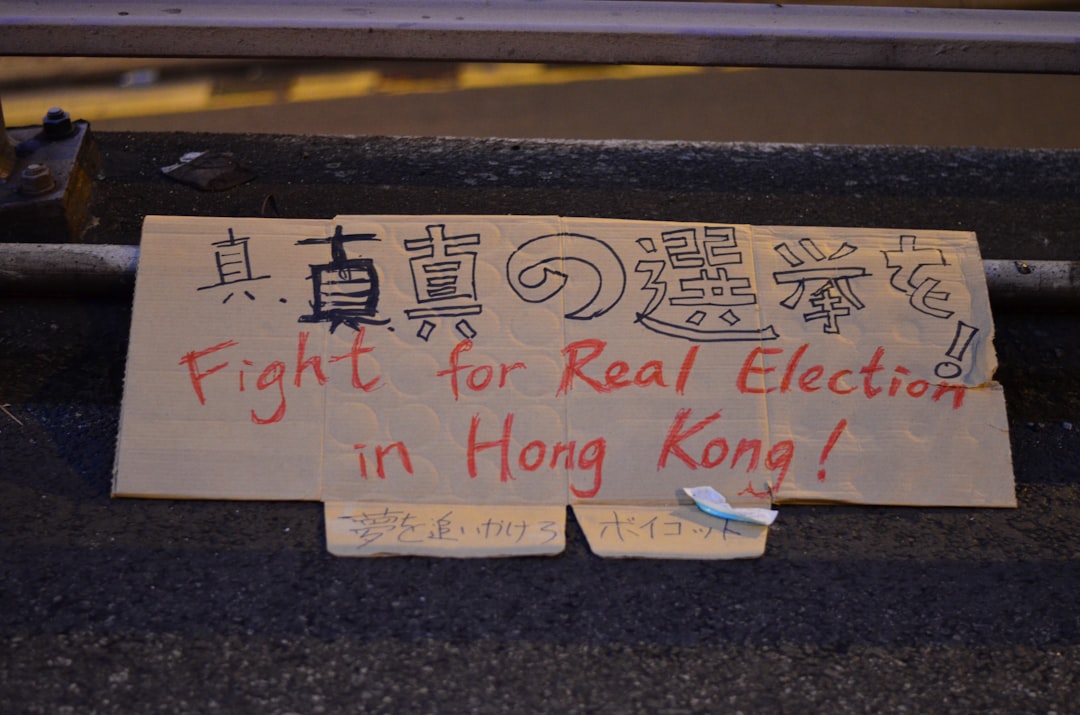
The campaign, running from late April to early June, focuses on the paradox at the heart of Hong Kong's post-2021 electoral system. Officials are vigorously promoting voter registration and participation in an electoral framework where all candidates must be vetted and approved by a Beijing-aligned committee, raising questions about the meaning of electoral choice in the reshaped political landscape.
Clement Woo Kin-man, acting secretary for constitutional and mainland affairs, explained the initiative's centerpiece. The government will appoint commissioners for oaths at Immigration Department offices where young people exchange juvenile identity cards for adult ones at age 18. This allows youth to make self-declarations exempting them from proof-of-address requirements—traditionally a major barrier to registration.
"Some young people may want to register, but very often they do not have any address proof," Woo stated, acknowledging practical obstacles in a city where many young adults live with parents or in shared housing without utility bills in their names.
Official figures reveal troubling trends for the government's legitimacy concerns. Registered voters declined from 4.21 million in 2024 to 4.14 million in 2025, continuing a downward trajectory that began after the 2019 protests and subsequent National Security Law implementation. Youth registration numbers remain particularly anemic despite Hong Kong's emphasis on civic education.
The government plans to partner with support groups for new immigrants and participants in the quality migrant admission scheme, while collaborating with schools and universities per legislator suggestions. District care teams will assist elderly registrations, reflecting a comprehensive push across demographics.
Legislator Holden Chow emphasized that voter participation helps young people "develop a sense of citizenship," framing registration as a civic duty rather than political expression. This language reflects the government's broader effort to redefine political participation as civic responsibility within parameters set by the reformed electoral system.