Qatar residents are reporting significant delays in international shipments as renewed tensions around the Strait of Hormuz create ripple effects throughout Gulf commerce, highlighting the small emirate's economic vulnerability to regional instability despite its vast energy wealth.
Local residents attempting to order goods through platforms like Temu are encountering extended delivery times, with some shipments taking months to arrive rather than the typical weeks. "I had a friend order before the war and it took months to arrive," noted one Doha resident on social media, reflecting growing concerns about supply chain reliability.
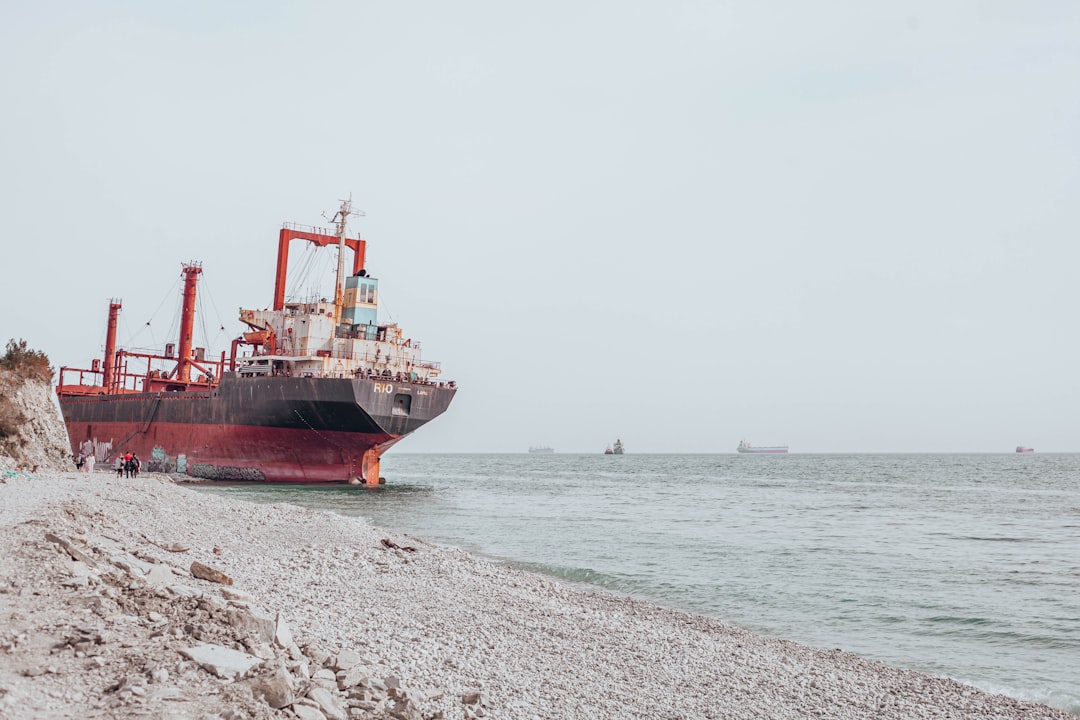
The Strait of Hormuz, a narrow waterway between Iran and the Arabian Peninsula, serves as a critical chokepoint for global energy markets and regional commerce. Approximately one-fifth of the world's petroleum passes through the 21-mile-wide strait daily, making it one of the world's most strategically important maritime passages.
Current tensions in the strait stem from escalating confrontations between Iran and Western powers, particularly the United States, over nuclear negotiations and regional influence. Iran has previously threatened to close the strait during periods of heightened tension, raising insurance costs and causing shipping companies to seek alternative routes that add days or weeks to delivery schedules.
For Qatar, the disruptions carry particular significance. The emirate's entire liquefied natural gas export infrastructure depends on Hormuz passage, with LNG tankers regularly transiting the strait to reach Asian and European markets. While Qatar maintains dialogue with both Iran and Western allies—a hallmark of its diplomatic positioning—the nation cannot insulate itself from the economic consequences of regional instability.
In Qatar, as among small but wealthy states, strategic positioning and soft power create influence beyond military might. Yet even Qatar's sophisticated diplomacy and relationships across ideological divides cannot fully shield its import-dependent population from supply chain vulnerabilities when regional tensions escalate.
Shipping and logistics companies operating in the Gulf have not yet issued public statements about systematic delays, though anecdotal reports from residents suggest disruptions are affecting consumer goods rather than critical supplies or energy exports. The delays underscore Qatar's reliance on stable maritime access despite its position as one of the world's wealthiest nations per capita.
Qatari authorities have not commented on the shipping situation, maintaining the emirate's typical diplomatic discretion regarding regional tensions. The government's silence likely reflects Qatar's careful balancing act between maintaining economic stability and avoiding public positions that might complicate its mediation role in regional conflicts.