

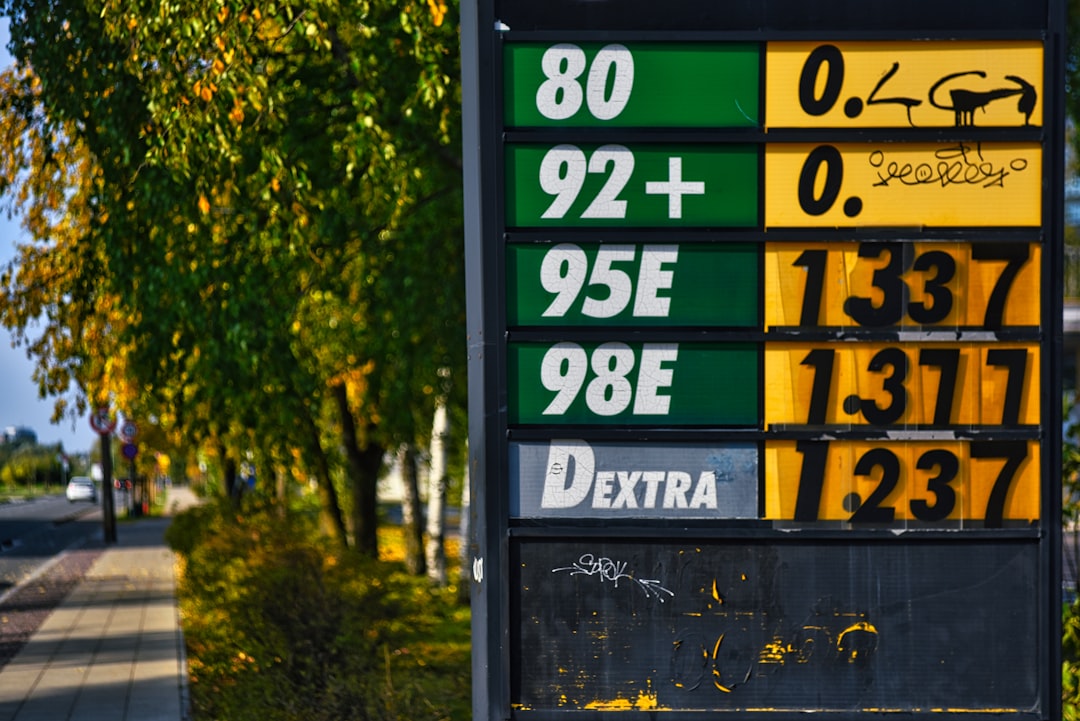
The UAE announced fuel price increases for May, marking the third consecutive month of rising costs as global oil markets surge above $120 per barrel for Brent crude.
Super 98 petrol will cost Dh3.66 per litre, up from Dh3.39 in April, while Special 95 petrol rose to Dh3.55 from Dh3.28, according to The National. E-Plus 91 increased to Dh3.48 from Dh3.20. Diesel prices remained unchanged at Dh3.39 per litre.
The increases reflect broader energy market dynamics as geopolitical tensions and production constraints push crude prices to multi-year highs. Dubai residents immediately took to social media to lament the rising costs, with some joking about switching to bicycles or electric scooters.
In the Emirates, as across the Gulf, ambitious visions drive rapid transformation—turning desert into global business hubs. Yet the oil-producing nation remains exposed to global energy price fluctuations that directly impact consumer costs. The UAE's monthly fuel price adjustment mechanism, introduced in 2015, links domestic prices to international benchmarks, ensuring market-driven pricing but exposing consumers to volatility.
The sustained price increases arrive as the UAE pushes ambitious economic diversification and clean energy initiatives, including its net-zero by 2050 strategy. Rising fuel costs may accelerate consumer interest in electric vehicles and public transportation, aligning with the government's sustainability objectives.
Business analysts note that transport-dependent sectors—logistics, delivery services, and ride-hailing—will face margin pressure. The cumulative three-month increase represents an approximately 11% rise for Super 98 and 8% for Special 95 since February, potentially impacting consumer spending patterns across the Emirates' diversified economy.


