
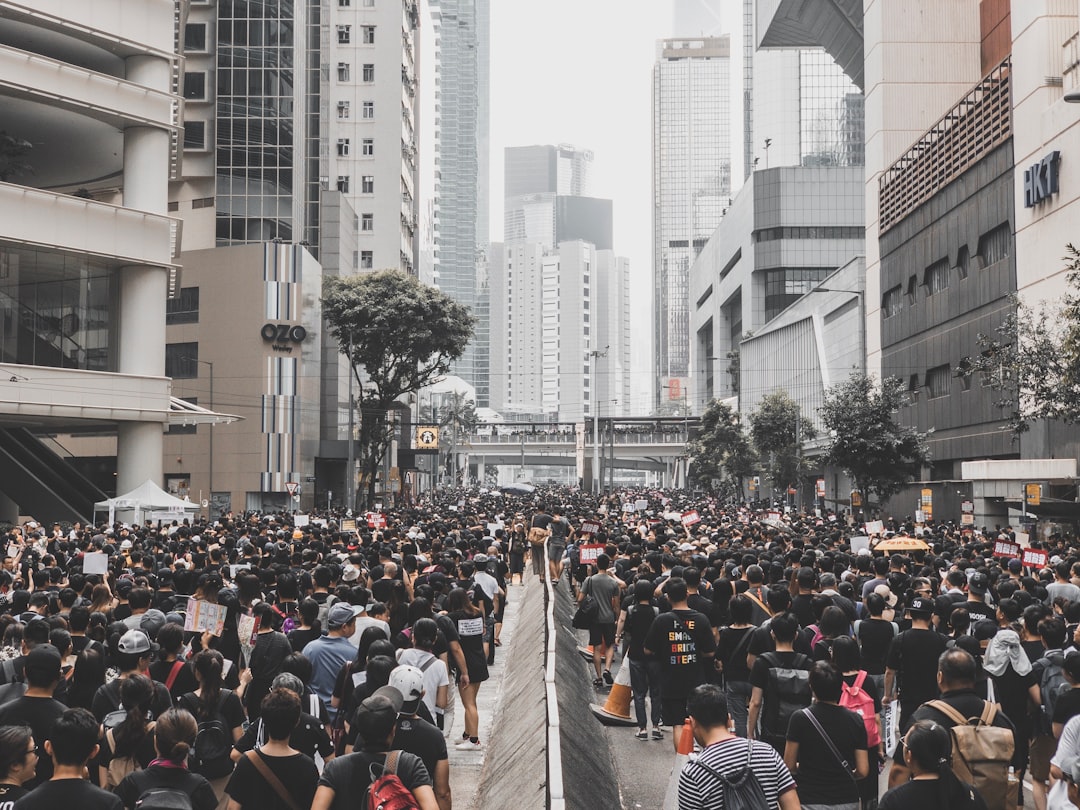
Hong Kong authorities have unveiled a "special rehabilitation project" offering arrested 2019 protesters an alternative to prosecution, marking a significant evolution in Beijing's approach to managing political dissent in the territory.
Security Bureau Secretary Chris Tang announced that approximately 7,000 people arrested during the 2019 protests but not yet prosecuted are eligible for the program, which emphasizes attitude adjustment and national education rather than admission of wrongdoing. The initiative represents a formalization of CCP-style political re-education methods previously confined to mainland China.
The program structure
Participants in the rehabilitation initiative receive organized visits to mainland China, career counseling, internship opportunities, and support for social reintegration. Tang emphasized that the program has no rigid "bottom line" for eligibility, though exceptions apply for cases deemed too serious or where sufficient evidence exists to press charges.
According to official statements, reported by The Standard, the focus is on participants' attitudes and "enhancing their understanding of the country" rather than requiring explicit fault admission—language that mirrors mainland China's approach to political education and thought reform.
Mainland parallels and political culture
The program draws directly from CCP governance mechanisms developed over decades on the mainland. The concept of zhuanhua (transformation) has long been central to how Chinese authorities handle political dissidents, religious minorities, and other groups deemed to require ideological correction. What is notable is the explicit importation of these methods to Hong Kong, a jurisdiction that historically operated under different legal and political frameworks.
The emphasis on mainland visits reflects a broader strategy visible across China's governance of Hong Kong since 2020: integration through exposure and education. By bringing participants to the mainland, authorities aim to reshape political consciousness through direct experience of China's development achievements and political system.
Timing and strategic considerations
The program operated quietly for its first two years to protect participants from what Tang described as potential harassment. The decision to publicize it now suggests confidence that political control is sufficiently consolidated to openly promote alternatives to prosecution without fear of backlash.
This timing aligns with the completion of major National Security Law prosecutions and the effective dismantling of Hong Kong's pro-democracy movement. With formal legal processes having established precedents and deterrence, authorities can now present rehabilitation as a merciful alternative—framing the state as both powerful enough to prosecute and magnanimous enough to offer redemption.
Expansion plans and social normalization
Tang indicated that activities may eventually include members of the general public and the entertainment industry, aiming to eliminate stigma around participation. This expansion beyond arrested protesters signals an intention to normalize the rehabilitation framework as a permanent feature of Hong Kong's governance landscape.
The involvement of the entertainment industry is particularly significant, reflecting lessons from mainland China where celebrities and public figures have been mobilized to demonstrate political loyalty and promote state narratives. This approach seeks to transform rehabilitation from punishment into something approaching civic duty.
Implications for Hong Kong's legal system
The program exists in legal gray space, offering prosecutorial discretion in exchange for voluntary participation in political education. This arrangement fundamentally alters the relationship between Hong Kong's legal system and CCP political governance, subordinating prosecutorial decisions to ideological objectives.
For the 7,000 eligible individuals, the choice is presented as pragmatic: participate in rehabilitation and avoid prosecution, or risk formal charges. The absence of a requirement to admit wrongdoing provides a face-saving element while still achieving the state's objective of behavioral and attitudinal transformation.
In China, as across Asia, long-term strategic thinking guides policy—what appears reactive is often planned. The rehabilitation program represents not a sudden shift but rather the culmination of a multi-year process to bring Hong Kong's governance mechanisms into alignment with mainland practices, using a combination of legal prosecution for high-profile cases and political education for broader social management.