Beijing's ambitious drive toward economic self-sufficiency—its Fortress China strategy—is facing an unexpected stress test as the escalating conflict in Iran disrupts critical supply chains across East Asia, exposing vulnerabilities in sectors Beijing had assumed were secure.
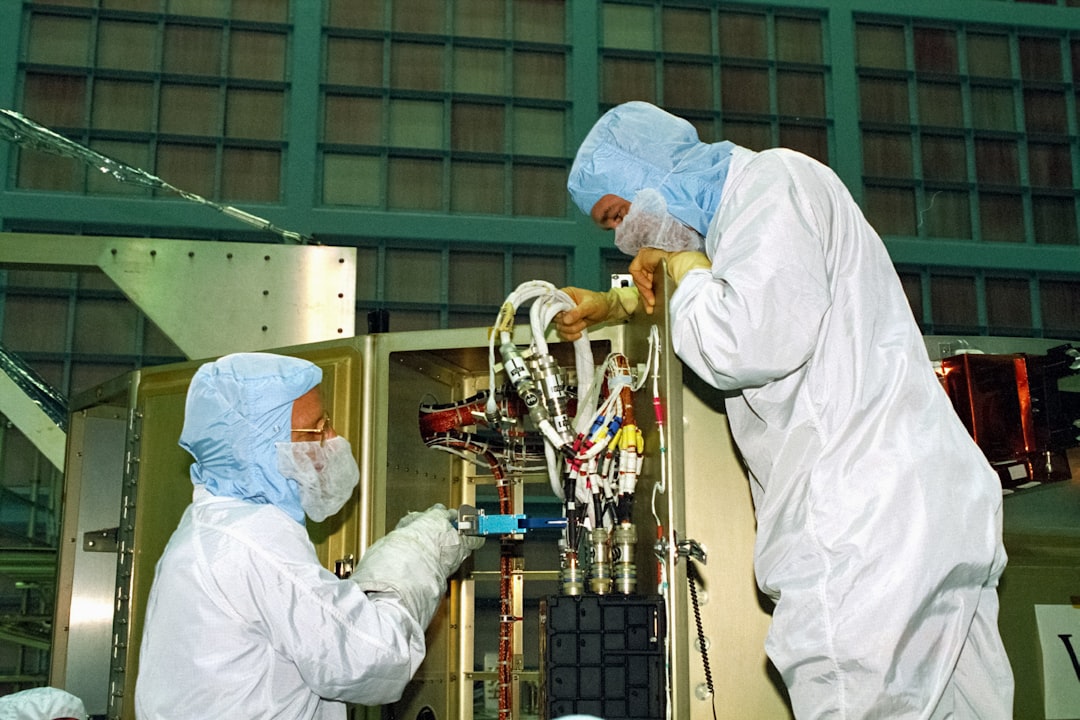
The most acute pressure point has emerged in helium supplies, a critical input for semiconductor manufacturing that China cannot produce domestically in sufficient quantities. According to industry sources, the conflict has disrupted helium exports from the Persian Gulf region, which supplies approximately 40 percent of global helium. The shortage threatens production at fabrication plants across China, Taiwan, South Korea, and Japan—the heart of global chip manufacturing.
"Helium is not something you can stockpile indefinitely or easily substitute," a senior executive at a Shanghai-based semiconductor equipment manufacturer told the Financial Times. "We're already seeing production adjustments at some facilities."
The helium shortage represents precisely the kind of supply chain vulnerability that Beijing's economic security strategy was designed to eliminate. Since 2020, Chinese leadership has emphasized dual circulation (双循环) and supply chain resilience, investing hundreds of billions in domestic production capacity for everything from semiconductors to rare earth processing. Yet critical gaps remain.
Beyond semiconductors, the Iran conflict has strained chemical and energy supplies across the region. Methanol prices have surged 23 percent since January, affecting production of plastics and synthetic materials. Crude oil shipments through the Strait of Hormuz face heightened insurance costs and routing delays, adding pressure to regional manufacturing costs.