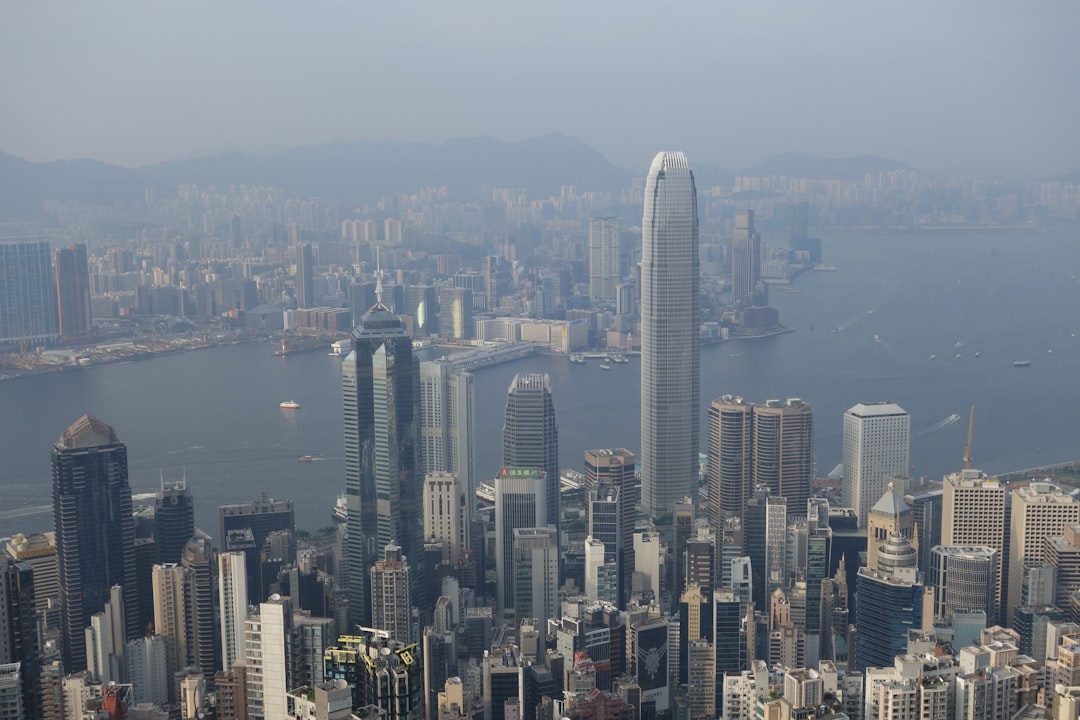
A sophisticated financial network operating through Hong Kong has facilitated the movement of billions of dollars for Iran, enabling Tehran to circumvent international sanctions, according to a major investigation by the Wall Street Journal.
The revelations underscore Hong Kong's evolving role in global sanctions evasion and raise questions about Beijing's strategic calculations as the territory's financial services sector becomes increasingly entangled with sanctioned regimes. The investigation identifies a complex web of shell companies, intermediaries, and financial institutions that have helped Iran access global markets despite comprehensive U.S. and European sanctions.
Strategic value versus reputational cost
For Beijing, Hong Kong's position as a sanctions evasion hub presents a familiar tension between strategic benefits and international standing. The Chinese government has consistently opposed unilateral sanctions and has sought to maintain economic ties with Iran as part of its broader challenge to U.S.-led global financial architecture.
The financial networks described in the WSJ investigation operate in the gray zone between legal trade facilitation and sanctions violation—a space that Chinese authorities have historically been reluctant to police aggressively. This approach aligns with Beijing's broader pushback against what it views as Western financial coercion, while providing strategic partners like Iran with vital economic lifelines.
Hong Kong's financial infrastructure under pressure
The territory's role in facilitating sanctioned transactions reflects structural changes since the implementation of the National Security Law in 2020. As Hong Kong has become more closely integrated with mainland China's political and economic systems, Western financial institutions have grown increasingly cautious about operations there, creating space for alternative financial channels to emerge.
These developments accelerate a trend already visible in China's domestic financial sector, where alternative settlement systems and currency arrangements have been developed specifically to reduce vulnerability to Western sanctions. The use of Hong Kong as a node in these networks leverages the territory's remaining international connectivity while operating under Beijing's protective umbrella.
Implications for U.S.-China tensions
The revelations arrive as Washington grapples with Iran across multiple fronts, from nuclear negotiations to regional conflicts. Evidence of large-scale sanctions evasion through Hong Kong will intensify calls in Congress for secondary sanctions targeting Chinese financial institutions—a step that carries significant risks for global financial stability.
Chinese officials have previously stated that Beijing opposes unilateral sanctions and maintains normal economic cooperation with Iran based on international law. This position reflects China's broader challenge to what it characterizes as U.S. weaponization of the dollar-based financial system.
In China, as across Asia, long-term strategic thinking guides policy—what appears reactive is often planned. The willingness to absorb reputational costs in Hong Kong's financial sector suggests Beijing views support for sanctions evasion networks as aligned with its strategic interests in building alternative financial architecture and maintaining ties with key partners like Iran, regardless of Western pressure.
Financial sector ramifications
For Hong Kong's remaining international financial institutions, the investigation presents renewed compliance challenges. Western banks have already significantly reduced their presence in the territory; further evidence of systematic sanctions evasion may accelerate that withdrawal, fundamentally reshaping Hong Kong's role in global finance.
The long-term implications point toward a bifurcated financial system, with Hong Kong serving increasingly as a gateway for transactions that cannot be processed through Western-dominated channels—a role that aligns with Beijing's strategic objectives even as it distances the territory from its traditional position as a global financial center.