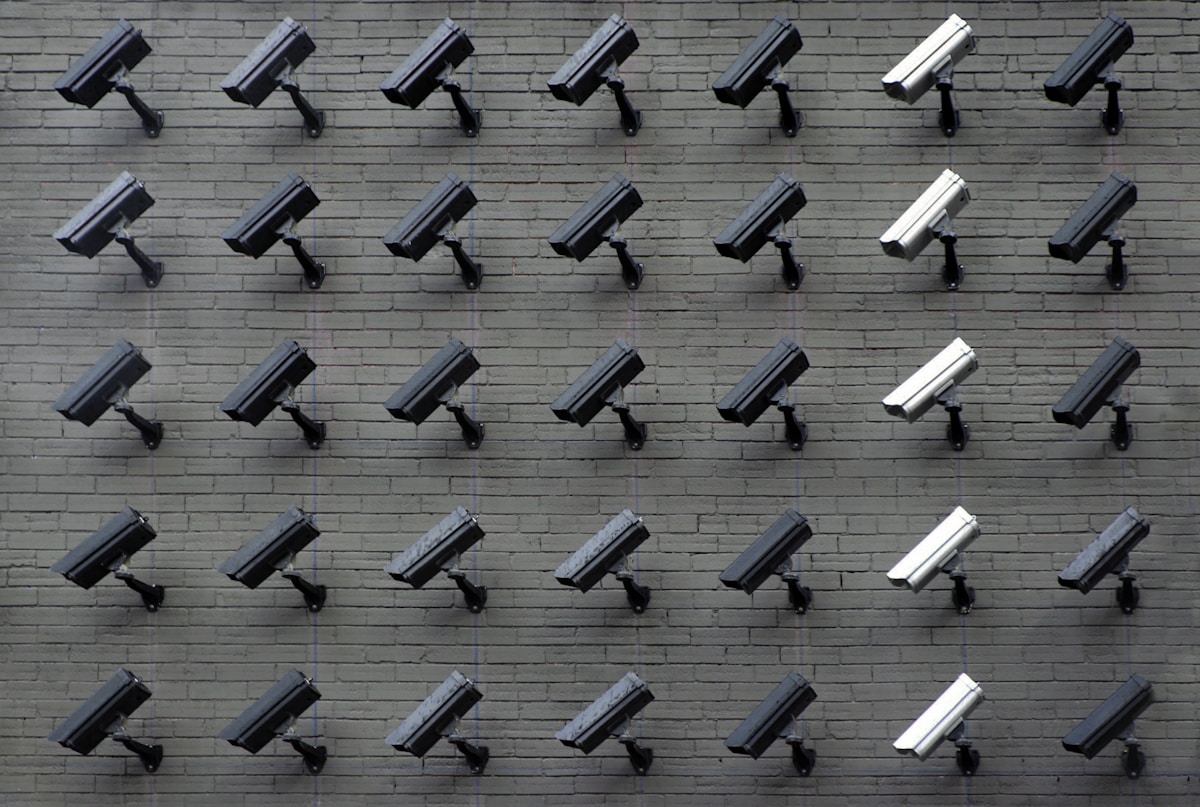

Home Secretary Shabana Mahmood has announced sweeping reforms that will roll out facial recognition technology across England and Wales, Sky News reported, marking Labour's most authoritarian turn since taking office.
The announcement represents a significant expansion of surveillance powers that civil liberties groups have opposed for years. Facial recognition systems, which use artificial intelligence to identify individuals from camera feeds, have been trialled by several police forces but never deployed at national scale. The Home Secretary argues the technology will help police catch criminals and prevent serious crime, citing successful prosecutions in pilot programmes.
As they say in Westminster, 'the constitution is what happens'—precedent matters more than law. Britain's incremental expansion of surveillance capabilities rarely involves Parliamentary debate until systems are already operational. The facial recognition rollout follows this pattern, with the Home Office presenting it as a technical operational decision rather than a fundamental shift in the relationship between citizen and state.
The technology works by capturing facial images from CCTV cameras and comparing them against databases of wanted individuals, missing persons, or persons of interest. When the system identifies a match, it alerts police officers who can then approach and question the individual. Proponents argue this merely automates what human officers do manually, whilst opponents warn it enables mass surveillance on a scale previously impossible.
Civil liberties organisations have raised multiple concerns. Big Brother Watch, which has campaigned against facial recognition for years, argues the technology is demonstrably inaccurate, disproportionately misidentifies people of colour, and lacks adequate legal safeguards. The organisation points to cases where individuals have been stopped based on false matches, creating harassment without improving public safety.
The legal framework governing facial recognition remains ambiguous. Unlike many European countries, Britain has no specific legislation regulating biometric surveillance. The technology operates in a grey area between existing data protection laws and police powers, with oversight dependent on voluntary compliance rather than statutory requirements.
The Labour government's embrace of facial recognition marks a departure from opposition rhetoric. In 2023, Labour MPs questioned Conservative ministers about privacy implications and called for stronger safeguards. Now in government, the party emphasises law and order credentials over civil liberties concerns, calculating that voters prioritise security over abstract privacy rights.
This calculation reflects Labour's broader strategy of neutralising Conservative attacks on crime policy. By adopting tough-on-crime measures, the government hopes to insulate itself from opposition criticism whilst pursuing progressive policies in other areas. Whether this approach succeeds depends partly on whether facial recognition delivers promised crime reduction without generating public backlash.
The technology's accuracy remains contentious. Independent studies have found error rates ranging from 2% to 98% depending on system configuration, lighting conditions, and the demographic characteristics of individuals being scanned. These variations matter enormously when systems scan thousands of faces daily, potentially generating hundreds of false positives that waste police time whilst subjecting innocent people to intrusive stops.
The European Court of Human Rights has yet to rule definitively on facial recognition, though its jurisprudence on privacy rights suggests the technology must be proportionate, necessary, and subject to adequate safeguards. British civil liberties groups may challenge the rollout through domestic courts, though the government appears confident its legal position will withstand scrutiny.
The announcement also raises questions about function creep—the tendency for surveillance systems to expand beyond their original purpose. Systems installed to catch wanted criminals could later be used for immigration enforcement, protest monitoring, or tracking individuals who have committed no crime. Once infrastructure exists, political pressure to use it for various purposes becomes difficult to resist.
As Westminster watchers know, British governments historically struggle to resist security theatre that appears tough whilst potentially undermining the freedoms it claims to protect. The facial recognition rollout may represent exactly this phenomenon: expensive technology that makes politicians feel proactive whilst doing little to address root causes of crime or insecurity.