Scientists have discovered something rather unsettling: a high-fat diet can enable gut bacteria to physically travel to the brain, bypassing the bloodstream entirely and using nerves as a direct highway. It's the kind of finding that makes the gut-brain axis less metaphorical and disturbingly literal.
The research, published in PLOS Biology, comes from Manoj Thapa's team at Emory University's National Primate Research Center. They fed mice a high-fat, high-carbohydrate diet for just nine days and found live bacteria making their way into brain tissue.
Here's what makes this particularly elegant: the bacteria weren't hitchhiking through the bloodstream. Using genetic sequencing with unique DNA barcodes, the researchers traced the bacteria's route from the gut through the vagus nerve—the main communication pathway between your digestive system and your brain. When they surgically severed that nerve in some mice, bacterial translocation stopped entirely.
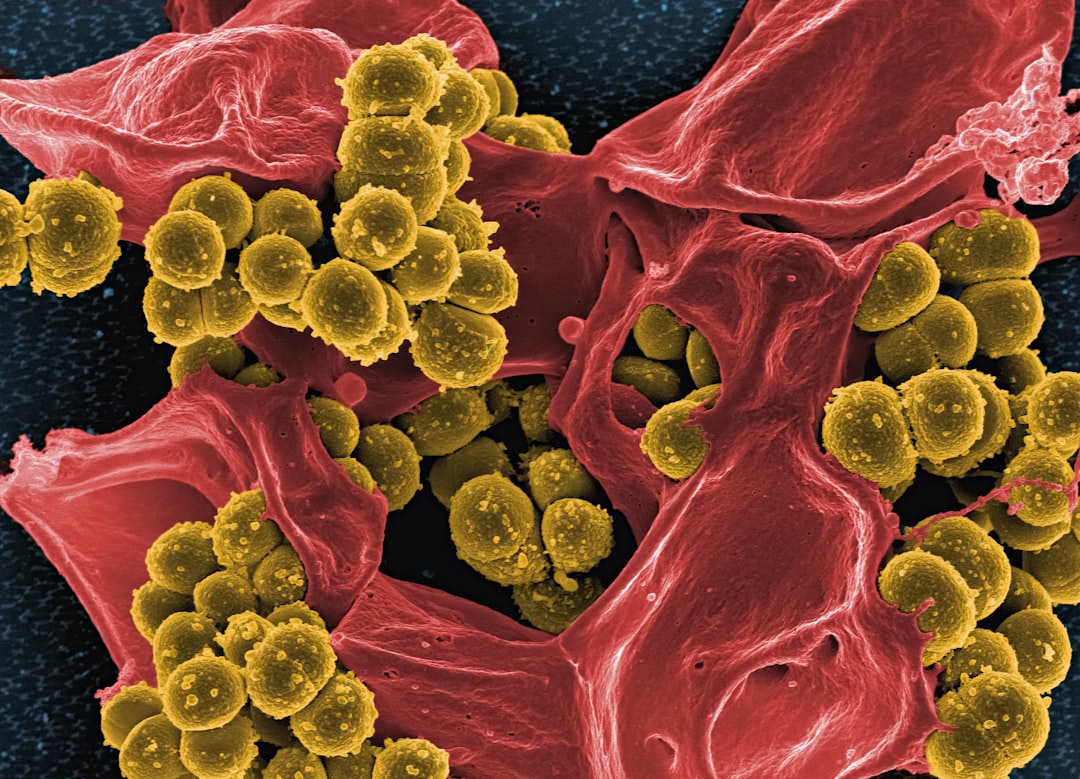
The mechanism matters. The high-fat diet weakened the intestinal lining (what researchers call 'leaky gut'), enriching harmful bacteria like Staphylococcus while reducing beneficial Lactobacillus. The bacteria appeared in vagus nerve tissue first, then progressed to brain tissue. Critically, none were detected in the bloodstream—they'd found a neural back door.
Now, before anyone panics about their last cheeseburger: this was done in mice, using what's called a Paigen diet (extremely high in both fat and cholesterol), and the bacterial quantities reaching the brain were relatively low—hundreds of cells, not millions.
But here's where it gets interesting for human health. The team found similar patterns in mouse models of Alzheimer's disease, Parkinson's disease, and autism spectrum disorder. All showed weakened intestinal linings even on normal diets, suggesting a leaky gut might be a common feature allowing bacterial movement in these neurological conditions.
The good news? When mice returned to normal diets, their intestinal lining healed and bacterial presence in the brain reversed. The process appears to be reversible, at least in mice.
and his colleagues note several important caveats. They haven't yet identified which brain cells are contacted by translocated microbes, or what those interactions might trigger. The visual imaging wasn't clear enough to actually see the bacteria in brain tissue—they relied on genetic sequencing instead. And most importantly, they haven't confirmed this happens in humans.