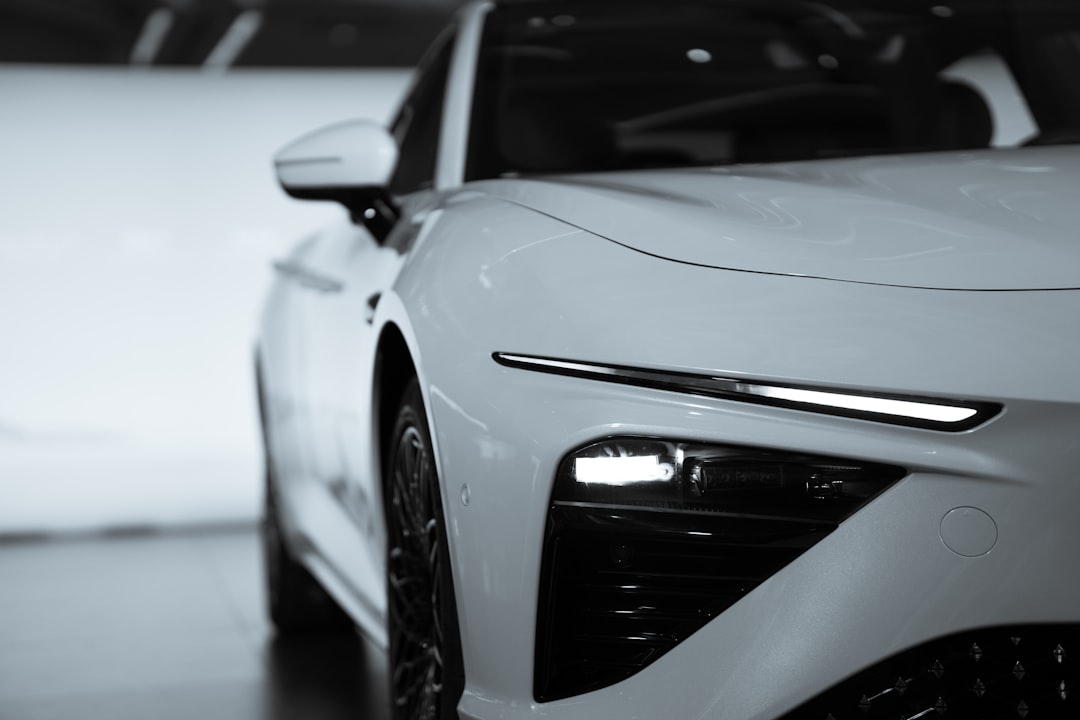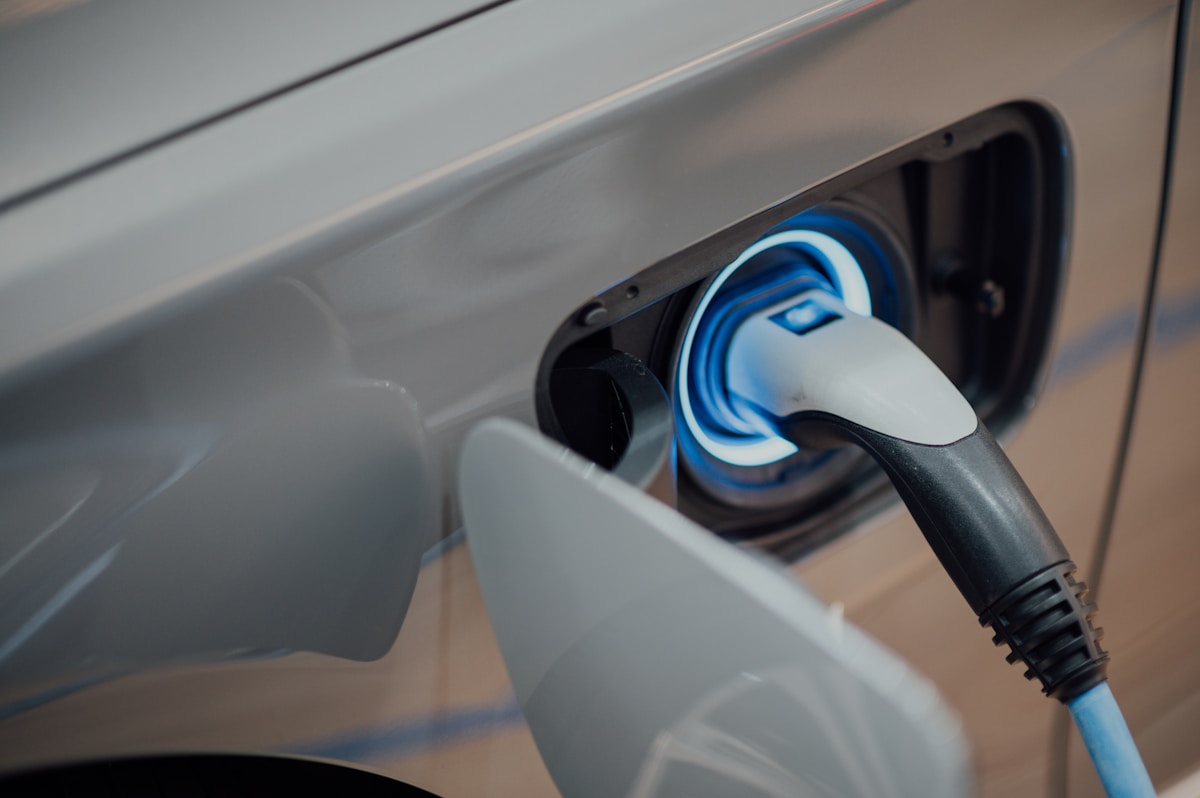
General Motors' Factory Zero in Detroit - the company's flagship electric vehicle production facility - has gone dark again. This is the facility GM spent $2.2 billion converting to produce electric trucks and SUVs. It's also the symbol of their commitment to an all-electric future.
Now it's idle, with workers sent home and production paused indefinitely.
The official line is about "aligning production with demand." That's corporate speak for "nobody's buying these trucks." The GMC Hummer EV and Chevrolet Silverado EV that roll out of Factory Zero cost $80,000-$100,000. That's pickup truck money for people who want to signal environmental consciousness and have tech budget left over from buying Teslas.
The market for $90,000 electric trucks is small. Shockingly small, it turns out.
Here's what frustrates me about this: the technology is genuinely impressive. The electric Hummer has 1,000 horsepower, goes from 0-60 in 3 seconds, and can drive diagonally using individual wheel control. These are engineering achievements that would have seemed impossible a decade ago.
The question is whether anyone needs it. And the answer, increasingly clearly, is that very few people need a $100,000 electric truck. The work truck buyers want something reliable and cheap. The luxury buyers want a Rivian or a Tesla Cybertruck. The middle market - GM's traditional strength - doesn't exist at that price point.
GM made a classic strategic error: they built the EVs they wanted to build, not the EVs the market wanted to buy. The Hummer EV is cool. It's powerful. It's also hilariously over-engineered for what most people need from a truck. And it's priced for the luxury market in a segment that values practicality.
Meanwhile, China is churning out electric vehicles that cost $15,000-$25,000 and are good enough for most use cases. BYD sold more EVs last quarter than Tesla. They're not competing on specs or features - they're competing on price and availability.
The United States has tariffs and regulations that keep those Chinese EVs out of the domestic market. That's protecting GM from competition, but it's not solving the fundamental problem: American automakers haven't figured out how to build affordable electric vehicles profitably.
Tesla did it by vertical integration and manufacturing innovation. Rivian did it by targeting a luxury niche and accepting that they'll lose money on every vehicle until they scale. GM tried to do it by converting existing factories and building high-margin luxury EVs to fund cheaper models later.
That strategy worked for Tesla. It's not working for GM, because they're late to market and competing against entrenched players who own the luxury EV segment.
Workers at Factory Zero are understandably frustrated. They were told this was the future of GM. The facility was marketed as a showcase of American manufacturing revival and electric vehicle leadership. Now they're idled for the second time in a year, wondering if their jobs are secure.
Mary Barra, GM's CEO, has staked her legacy on the electric vehicle transition. She's made bold commitments about phasing out internal combustion engines and going all-electric by 2035. But strategies don't survive contact with market reality.
The reality is that EV demand has plateaued in the United States. The early adopters have all bought their vehicles. The mass market hasn't materialized yet because EVs are still too expensive, charging infrastructure is inadequate, and range anxiety is real.
GM's response so far has been to slow down their transition plans, keep building profitable gas-powered trucks and SUVs, and wait for the market to catch up to their electric vehicle lineup. That's probably the right tactical decision. But it's also an admission that their strategy isn't working.
What would working look like? A $40,000 electric Silverado that competes directly with gas-powered trucks on price and capability. That's what buyers actually want. But GM can't build that profitably yet because battery costs are still too high and they haven't achieved the manufacturing efficiency needed.
So we're stuck in this weird limbo where the technology exists, the environmental case is clear, and the automakers have committed billions to electrification - but the economics don't work yet.
Factory Zero will probably restart eventually. GM will adjust production volumes, maybe refresh the designs, possibly lower prices if they can figure out how to cut costs. Workers will return. The facility won't be abandoned.
But this shutdown is emblematic of the broader challenges facing the EV transition. It's not enough to build great technology. You have to build technology people can afford and want to buy. GM has figured out the first part. They're still working on the second part.
The workers at Factory Zero deserved better. They were promised they were building the future. Instead, they're living through the messy, uncertain transition period where the future hasn't quite arrived but the past is already dying.
That's the reality of technological transitions. The promise is always cleaner than the execution.