Global glaciers lost ice at nearly four times the rate observed in the late 20th century during the past decade, with extreme losses continuing through 2025, according to comprehensive new data from the World Glacier Monitoring Service.
The dramatic acceleration threatens water security for billions of people who depend on glacier-fed rivers while contributing to accelerating sea level rise. The findings underscore that warming temperatures predicted by climate models are manifesting in rapid, observable changes to Earth's cryosphere.
"The numbers are stark," said Dr. Michael Zemp, director of the monitoring service. "We're watching the planet's frozen water reserves disappear at speeds that seemed unthinkable just two decades ago."
The latest analysis reveals that global glaciers lost an average of more than one meter of ice thickness annually since 2015—a rate that compounds year after year. Some regions experienced even more severe losses, with alpine glaciers in Europe and South America losing up to two meters annually.
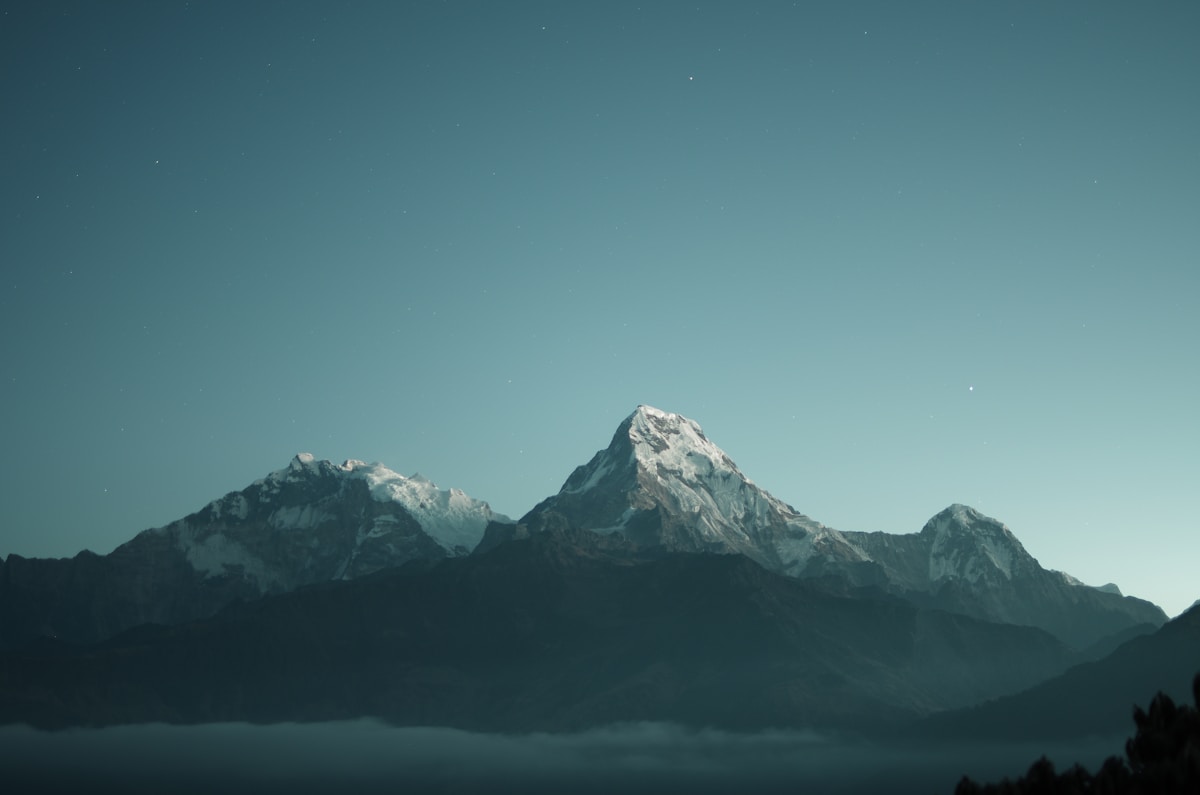
The Himalayas, Andes, and Rocky Mountains face particularly concerning declines. These mountain ranges supply water to major rivers—the Ganges, Indus, Brahmaputra, Yangtze, Colorado—that sustain agriculture, hydroelectric power, and drinking water for approximately two billion people.
Dr. Anjal Prakash, a climate researcher at Ahmedabad University in India, warned that