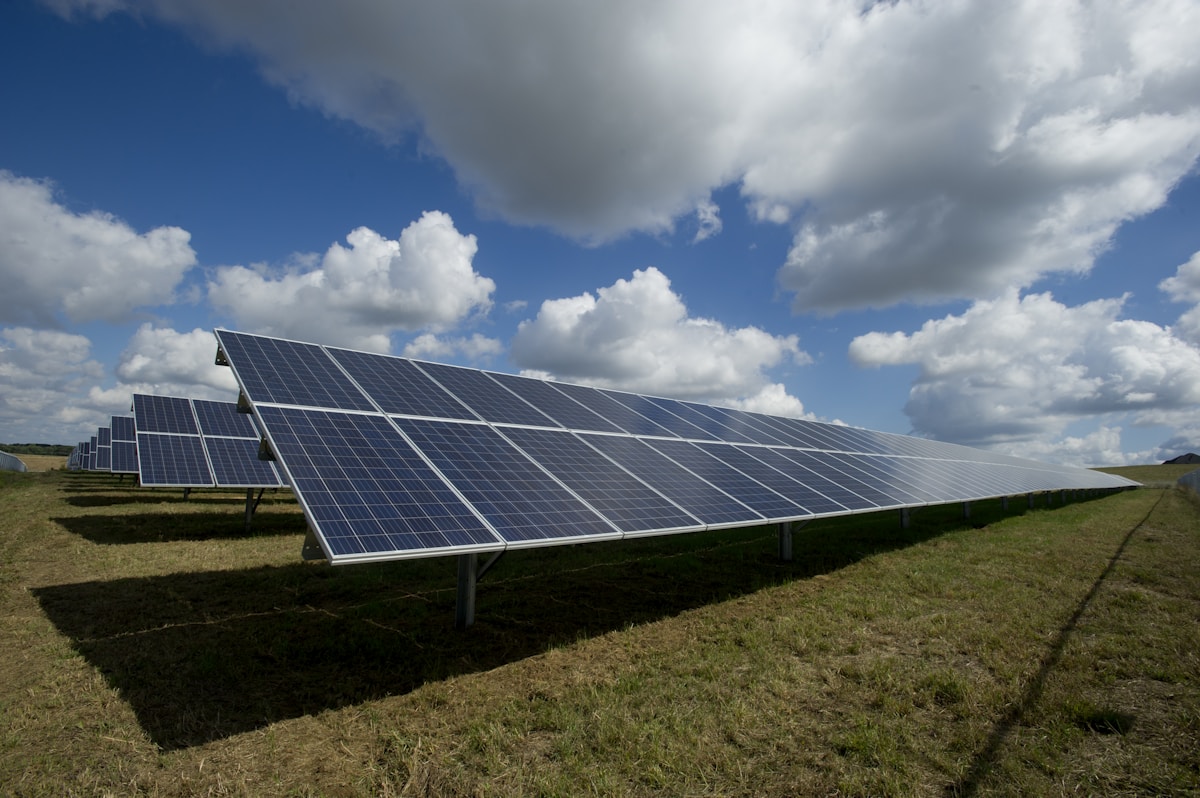

Britain's wind and solar capacity delivered substantial economic protection during the first four weeks of the latest fossil fuel price crisis, displacing gas generation and saving consumers hundreds of millions of pounds, according to analysis from energy think tank Ember.
The data demonstrates that renewable energy provides not just climate benefits but immediate economic resilience—countering persistent claims that clean energy transitions impose costs rather than deliver savings.
As natural gas prices spiked 40 percent in March due to supply disruptions, Britain's renewable fleet generated enough electricity to reduce reliance on gas-fired power plants substantially. The displacement saved an estimated £380 million ($475 million) that would otherwise have flowed to gas suppliers during peak price periods.
"This is clean power fortifying the nation in real-time," said Phil MacDonald, Ember's lead analyst. "Every megawatt-hour from wind and solar is a megawatt-hour that doesn't require expensive imported gas."
Britain generated approximately 45 percent of electricity from renewables during the crisis period, with wind power providing the largest contribution. On several days, wind generation alone met over half of national electricity demand, allowing gas plants to reduce output precisely when fuel costs peaked.
The economic benefits extend beyond immediate fuel savings. Gas price volatility has repeatedly destabilized British energy markets, forcing dozens of electricity suppliers into bankruptcy during previous crises and leaving consumers facing dramatically higher bills. Renewable energy's fixed costs—no fuel purchases required—provide price stability that fossil fuels cannot match.
In climate policy, as across environmental challenges, urgency must meet solutions—science demands action, but despair achieves nothing. Britain's renewable success demonstrates that climate action delivers economic security, energy independence, and lower consumer costs alongside emissions reductions.