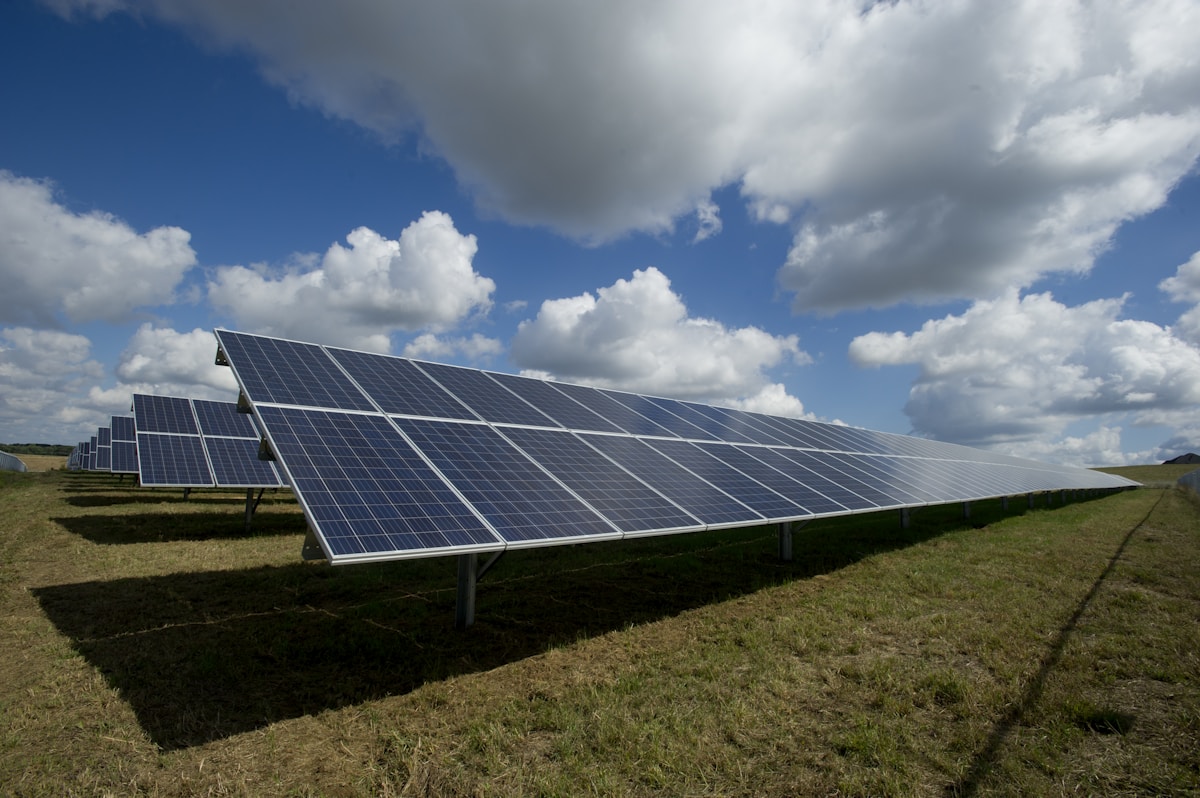
Battery storage technology has reached a critical economic threshold in India, enabling solar power with storage to meet up to 90 percent of electricity demand at costs lower than current average power purchase rates, according to analysis from energy think tank Ember.
The breakthrough findings represent a climate justice milestone: clean energy becoming the cheapest option for a developing nation of 1.4 billion people, demonstrating that the Global South's energy transition no longer requires sacrificing economic development.
"This fundamentally changes the calculus for India's energy future," said Dr. Aditya Lolla, Ember's senior electricity policy analyst for India. "Solar plus storage isn't just cleaner—it's now genuinely cheaper than fossil alternatives across most of the country."
Battery costs have declined by 90 percent over the past decade, driven by manufacturing scale-up in China, technological improvements, and fierce competition among suppliers. Lithium-ion battery packs that cost $1,200 per kilowatt-hour in 2010 now trade below $100 per kWh, with further declines expected as production capacity expands.
The economics prove compelling: Ember's analysis shows that solar-plus-storage systems can deliver electricity at levelized costs of $40-60 per megawatt-hour in most Indian states. That undercuts the $50-80/MWh average cost utilities currently pay for coal and gas power, while avoiding fuel price volatility that has repeatedly hammered developing economies.
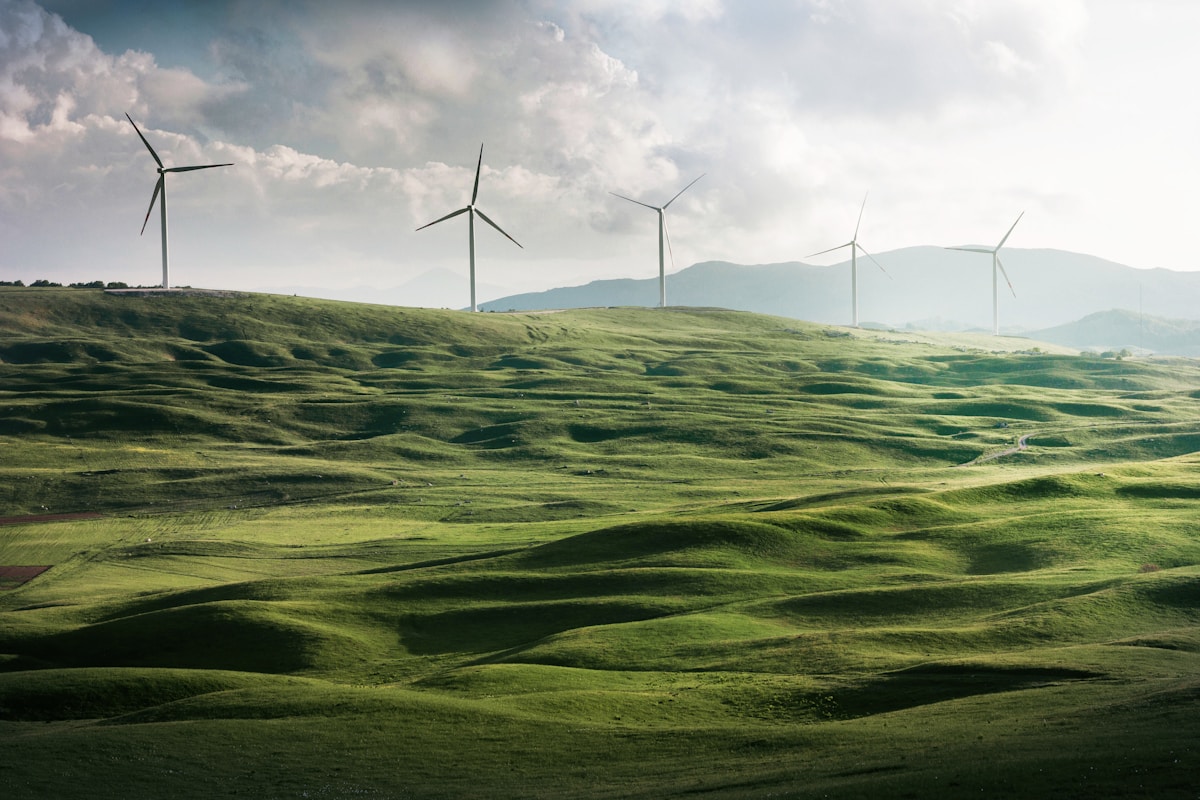
India currently generates approximately 75 percent of electricity from fossil fuels, making it the world's third-largest emitter of greenhouse gases. However, the nation has committed to reaching 500 gigawatts of renewable capacity by 2030—nearly triple current levels—as part of its climate commitments.
Battery storage solves solar power's fundamental challenge: the sun doesn't shine at night. By storing excess daytime generation for evening peak demand, batteries enable solar to provide reliable baseload power that previously required coal plants running continuously.
The implications extend far beyond India. If the world's most populous nation demonstrates that rapid clean energy transitions deliver economic benefits rather than costs, it provides a roadmap for dozens of developing countries facing similar energy challenges.
In climate policy, as across environmental challenges, urgency must meet solutions—science demands action, but despair achieves nothing. The battery storage breakthrough shows that technological progress can align climate action with economic self-interest, removing the false choice between development and sustainability.
Climate justice advocates emphasize that developed nations bear responsibility for supporting India's transition. While battery costs have fallen dramatically, India will need an estimated $160 billion in clean energy investment by 2030 to meet its targets. International climate finance commitments remain far below what's required.
Shri R.K. Singh, India's Minister of Power and New & Renewable Energy, recently announced plans to tender 50 GW of renewable energy capacity with storage over the next two years. State electricity utilities increasingly favor solar-plus-storage bids over new coal projects.
However, challenges remain. India's electricity grid requires substantial upgrades to handle variable renewable energy at scale. Land acquisition for massive solar farms raises environmental and social concerns. Mineral supply chains for batteries—particularly lithium and cobalt—face sustainability and geopolitical risks.
The Ember analysis arrives as India experiences extreme heat waves and energy demand surges. Battery storage enables utilities to meet peak demand without expensive natural gas imports or emergency coal purchases, delivering energy security alongside climate benefits.
Dr. Lolla concluded: "We're witnessing energy history. When clean energy becomes the cheapest option for the world's largest democracy and fastest-growing major economy, the fossil fuel era's end becomes visible on the horizon."