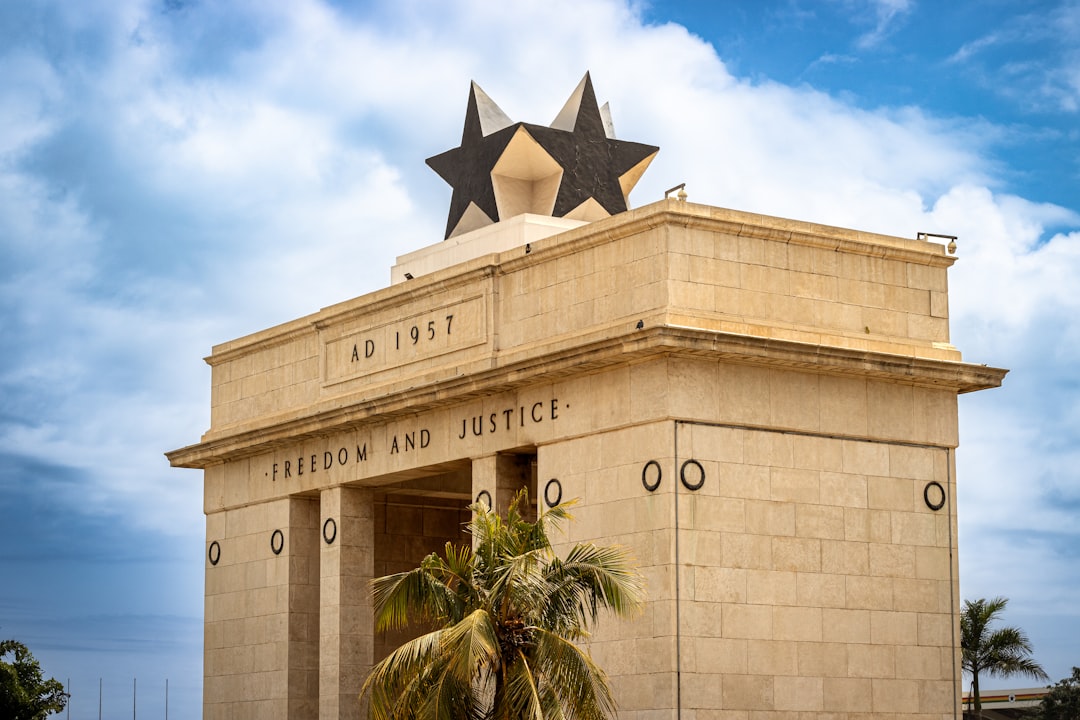
Allegations of questionable government spending totaling $72 million have emerged in Ghana, raising fresh concerns about fiscal accountability as the country navigates its ongoing economic reform program under International Monetary Fund oversight.
Social media posts circulating among Ghanaian civil society groups have highlighted claims of irregular expenditures across multiple government agencies, though official verification of the specific figures remains pending. The allegations come at a sensitive moment for Ghana's efforts to restore macroeconomic stability following a debt restructuring agreement reached in 2023.
54 countries, 2,000 languages, 1.4 billion people. Tell me which 'Africa' you're asking about.
For Ghana, the stakes extend beyond a single accounting dispute. The West African nation has positioned itself as a model for IMF-supported reform on the continent, implementing difficult fiscal consolidation measures including subsidy reductions and revenue enhancement. Questions about expenditure control threaten to undermine confidence in these reform efforts.
"The credibility of Ghana's fiscal framework depends on transparent, accountable spending," a Nairobi-based economist told correspondents, speaking on condition of anonymity given the politically sensitive nature of the discussion. "Any perception that resources are being misallocated undermines the social contract that makes reform sustainable."
The government has not yet issued a formal response to the allegations, and the Office of the President did not respond to requests for comment. Opposition parliamentarians have called for the Public Accounts Committee to investigate the claims, while civil society organizations are demanding a full audit of the disputed expenditures.
Ghana's Public Procurement Authority has undertaken several high-profile investigations into government contracts in recent years, recovering millions in misallocated funds. Whether this case will result in similar scrutiny remains to be seen.
For ordinary Ghanaians, the allegations arrive amid continued economic hardship. Inflation, though declining from its 2022 peak, remains elevated. The cedi has weakened significantly against major currencies, and many households report difficulty accessing basic goods and services.