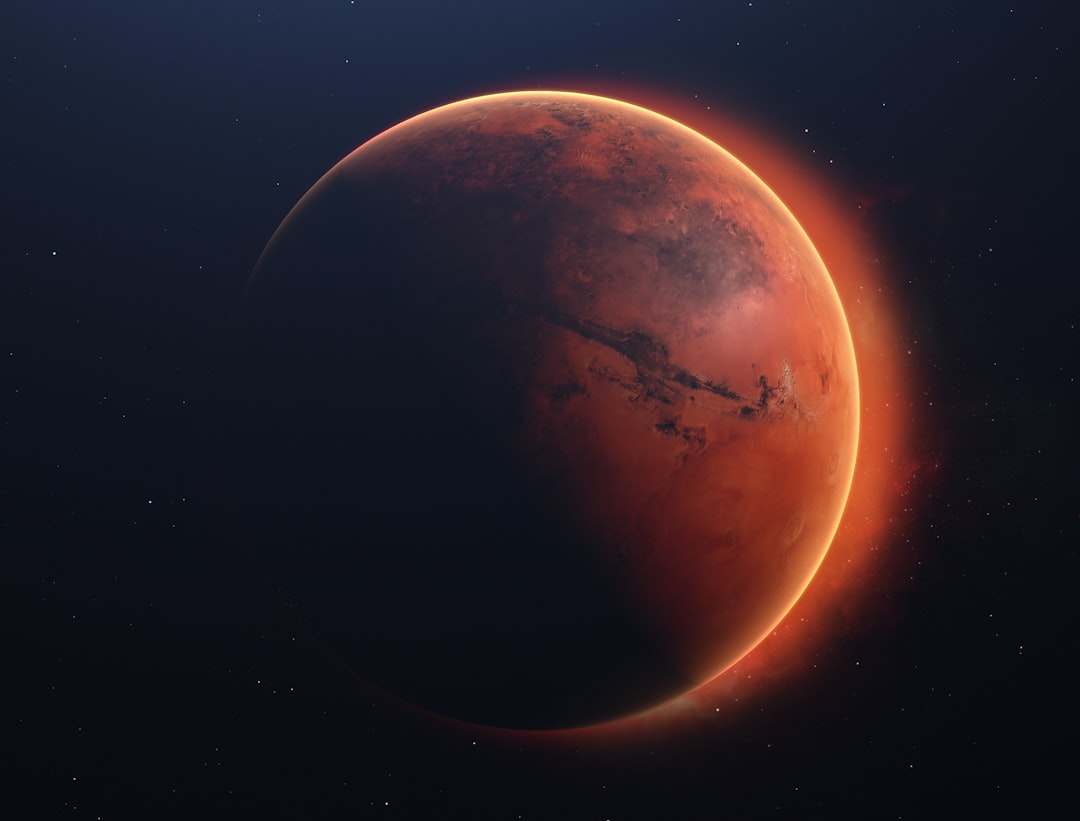
There's treasure buried in data we've already collected. Researchers at the University of Warwick used artificial intelligence to sift through four years of NASA's TESS mission archives and validated 118 new exoplanets that human astronomers had missed. And they're not done: the AI identified over 2,000 high-confidence candidates awaiting formal validation, with roughly 1,000 being entirely new discoveries.
The breakthrough employed an AI system called RAVEN (RAnking and Validation of ExoplaNets). Traditional planet hunting works like this: you observe millions of stars, looking for tiny periodic dips in brightness that suggest a planet crossing in front. But distinguishing genuine planets from false signals—caused by eclipsing stars, background interference, or instrument noise—requires painstaking human verification.
Dr. Marina Lafarga Magro led the Warwick team in training machine learning models on hundreds of thousands of simulated examples, teaching RAVEN to recognize the patterns that distinguish real planets from imposters. Dr. Andreas Hadjigeorghiou, who developed the pipeline, explained they trained the AI to "identify patterns in the data that can tell us the type of event we have detected."
What makes these particular discoveries interesting goes beyond the count. The team focused on planets with orbital periods shorter than 16 days, uncovering ultra-short-period worlds that complete full orbits in under 24 hours. They also found residents of the "Neptunian desert"—a mysterious region where Neptune-sized planets are surprisingly scarce, occurring around only 0.08 percent of Sun-like stars.
The approach represents a fundamental shift in how we'll conduct astronomy. TESS observed approximately 2.2 million stars in its first four years. Human astronomers simply don't have time to thoroughly analyze every candidate. AI doesn't replace human expertise—these 118 planets required formal validation—but it dramatically accelerates the filtering process.
The complete validated catalog is now publicly available, enabling follow-up observations and atmospheric studies. These curated target lists will prove particularly valuable for ESA's upcoming PLATO mission, accelerating discoveries when new instruments become operational.
The universe doesn't hide its secrets deliberately—we just haven't looked carefully enough yet. Sometimes the next major discovery is waiting in data we collected years ago.