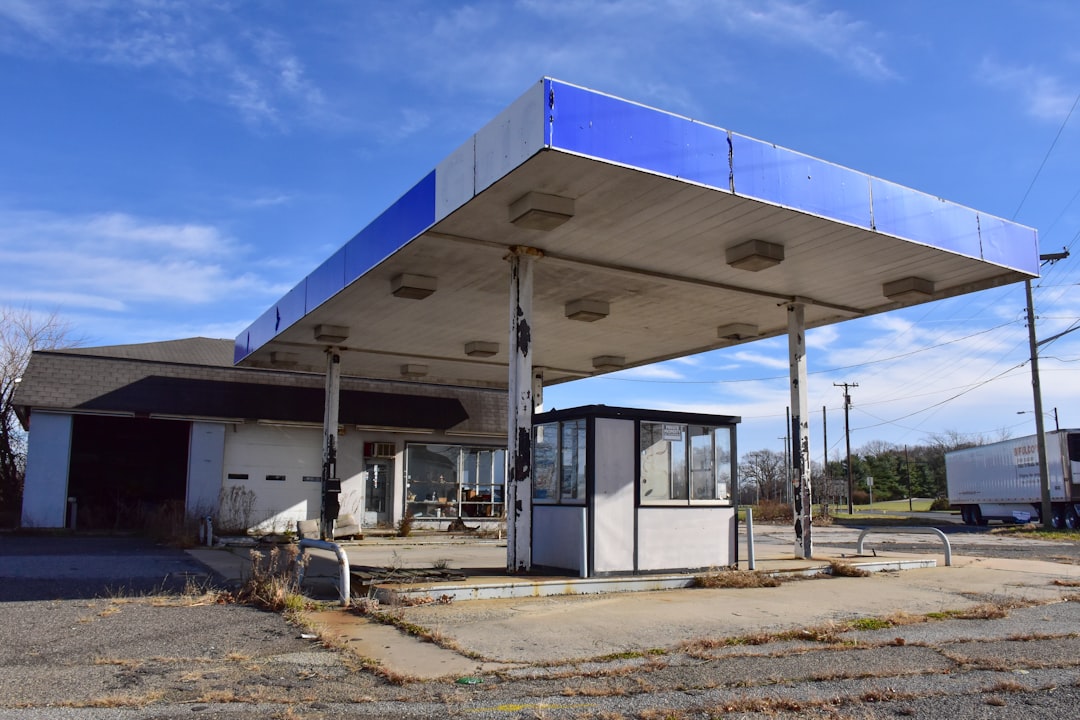
Americans woke up Tuesday to a painful reminder that Middle East conflicts hit them where it hurts most: at the pump. The national average price for a gallon of regular gasoline jumped 11 cents overnight to $3.11, according to AAA, as oil markets absorbed the implications of escalating U.S.-Iran hostilities.
That's the kind of price spike that used to take weeks. Now it happens in a single news cycle.
The overnight surge was driven by crude oil futures spiking for the second consecutive day on fears that Iran could disrupt supplies through the Strait of Hormuz, the narrow waterway that handles roughly one-fifth of global oil shipments. If that happens, energy analysts warn we're looking at prices not seen since the darkest days of the Ukraine invasion.
Remember early 2022? Gas hit $5 per gallon in many parts of the country when Russia invaded Ukraine, setting record highs and fueling the worst inflation in four decades. Industry experts say this time could be worse if the Strait of Hormuz becomes a battleground.
"If Iran follows through on threats to close the strait, you're talking about an oil shock that makes Ukraine look modest," said one energy analyst who declined to be named. "Brent crude could spike past $150 per barrel. At that point, $5 gas would be a good deal."
The current spike is just the beginning. Crude prices are already climbing, and gas prices lag oil markets by about two weeks. That means even if tensions stabilize tomorrow, drivers will continue feeling pain at the pump through mid-March at minimum.
Regional variations are already emerging. West Coast drivers—who typically pay the highest prices due to refining capacity constraints and state taxes—are seeing even steeper increases. Some California stations are already pushing past $4.50 per gallon.
The economic ripple effects extend far beyond individual drivers. Higher fuel costs hit transportation companies, shipping firms, and ultimately consumer goods prices. Every cent-per-gallon increase translates to billions in additional costs flowing through the economy.
For airlines, this is a nightmare scenario. Jet fuel costs were finally stabilizing after years of volatility. Now carriers face another round of surcharges and route adjustments, just as spring travel season approaches.
The Federal Reserve is watching closely too. Policymakers had been eyeing potential rate cuts this year as inflation cooled. But an energy-driven price spike could force them to hold rates higher for longer, squeezing consumers and businesses alike.
The worst-case scenario—a prolonged closure of the Strait of Hormuz—would trigger what analysts are calling a "guaranteed global recession." Roughly 21 million barrels of oil pass through that 21-mile-wide chokepoint daily. There's no quick substitute for that volume.
Major oil companies are already gaming out contingency plans for rerouting supplies around Africa, but that adds weeks to shipping times and massive costs. The global economy simply isn't built to absorb a Hormuz closure without severe disruption.
For now, American drivers can only watch the headlines and brace for more pain. The 11-cent overnight jump is likely just the opening act. How much higher prices go depends entirely on how this conflict plays out—and right now, there's no end in sight.