

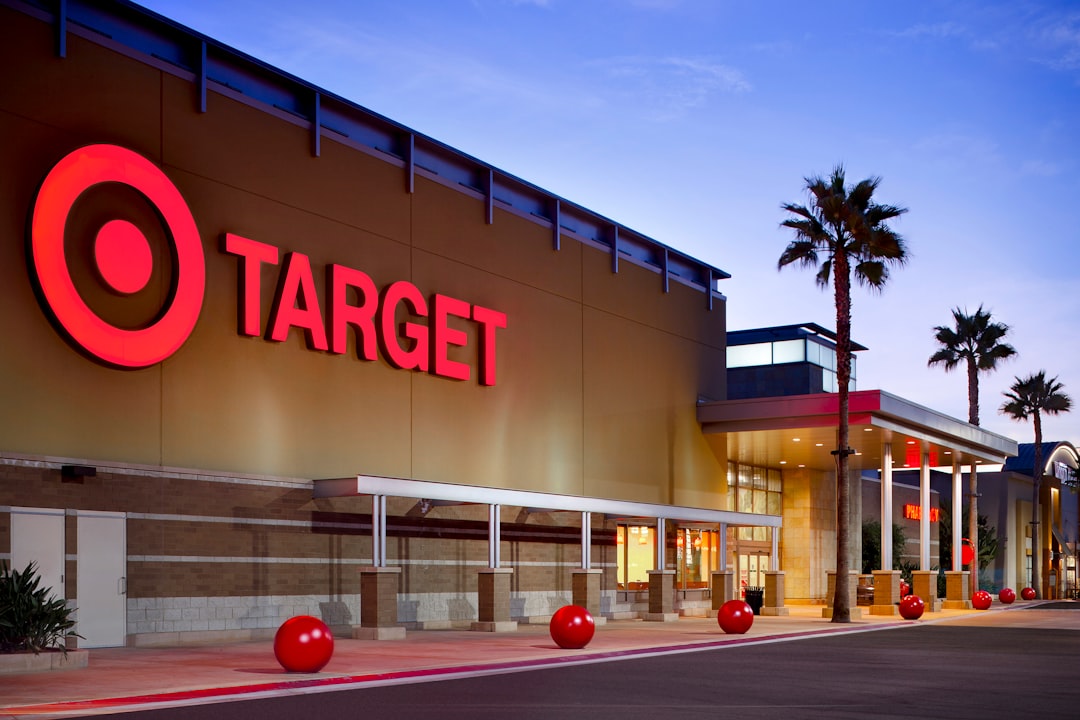
Target delivered another lackluster earnings report Tuesday, posting yet another quarter of declining revenue and customer traffic despite management's repeated assurances that a turnaround is underway. The Q4 results—covering the critical holiday shopping season—show a retailer still struggling to win back customers it lost to Walmart and Amazon.
This is the story retail executives don't want to tell: when customers leave, they don't always come back.
The Minneapolis-based retailer reported comparable store sales declined for the quarter, continuing a pattern that's now stretched across multiple quarters. More troubling: customer traffic fell, indicating this isn't just about customers spending less—they're shopping elsewhere entirely.
During the earnings call, management struck an optimistic tone, insisting the company is "on track to end its sales slump." But the numbers tell a different story. Revenue fell, margins remain under pressure, and the retailer is still bleeding market share to competitors who've figured out what Target apparently hasn't: value matters.
Walmart is eating Target's lunch. While Target struggles, Walmart has posted consecutive quarters of strong same-store sales growth and traffic gains. The difference? Walmart leans hard into everyday low prices and grocery—two areas where Target has been unable to compete effectively despite years of trying.
Amazon is capturing the other side. For discretionary purchases—the home goods, electronics, and apparel that Target built its brand on—customers are increasingly going online. Amazon's speed and selection advantage is proving difficult for any brick-and-mortar retailer to overcome.
Target's strategic problem is that it's stuck in the middle. It's not cheap enough to compete with Walmart on staples, and it's not convenient enough to compete with Amazon on discretionary goods. That's a tough position in retail.
Management is trying to thread the needle with store remodels, expanded private-label offerings, and same-day delivery through Shipt. The strategy isn't wrong—it's just not working fast enough to reverse the slide. Each quarter brings more promises that "the worst is behind us."
Retail analysts are growing skeptical. One analyst noted that Target's turnaround timeline keeps getting pushed back, and there's little evidence that recent initiatives are driving meaningful traffic or sales improvement. "At some point, you have to deliver results, not just talk about strategy," the analyst said.
The holiday quarter is particularly damning because it's when retailers make or break their year. Target had every advantage: refreshed stores, heavy promotions, and a consumer spending environment that wasn't terrible. And still, sales fell.
Part of the problem is self-inflicted. Target's attempt to position itself as a "cheap chic" destination worked brilliantly for years, but that brand positioning is hard to maintain when customers are worried about inflation and groceries. Shoppers don't want cute home décor—they want low prices on essentials.
The company's grocery business—which accounts for roughly 20% of sales—hasn't scaled enough to drive consistent traffic the way it does for Walmart and Kroger. Without a compelling grocery offering, Target is asking customers to make a special trip for discretionary purchases. In 2026, that's a losing proposition.
Looking ahead, Target faces a brutal competitive landscape. Walmart is investing billions in automation and supply chain efficiency to lower prices further. Amazon continues expanding same-day delivery. Meanwhile, China-based ultra-discount retailers like Temu and Shein are capturing young shoppers with rock-bottom prices.
Target insists it will return to sales growth this year. Maybe management is right and the turnaround is just around the corner. But after multiple quarters of missed expectations and declining traffic, investors and customers alike are running out of patience. In retail, momentum matters—and right now, Target doesn't have it.


