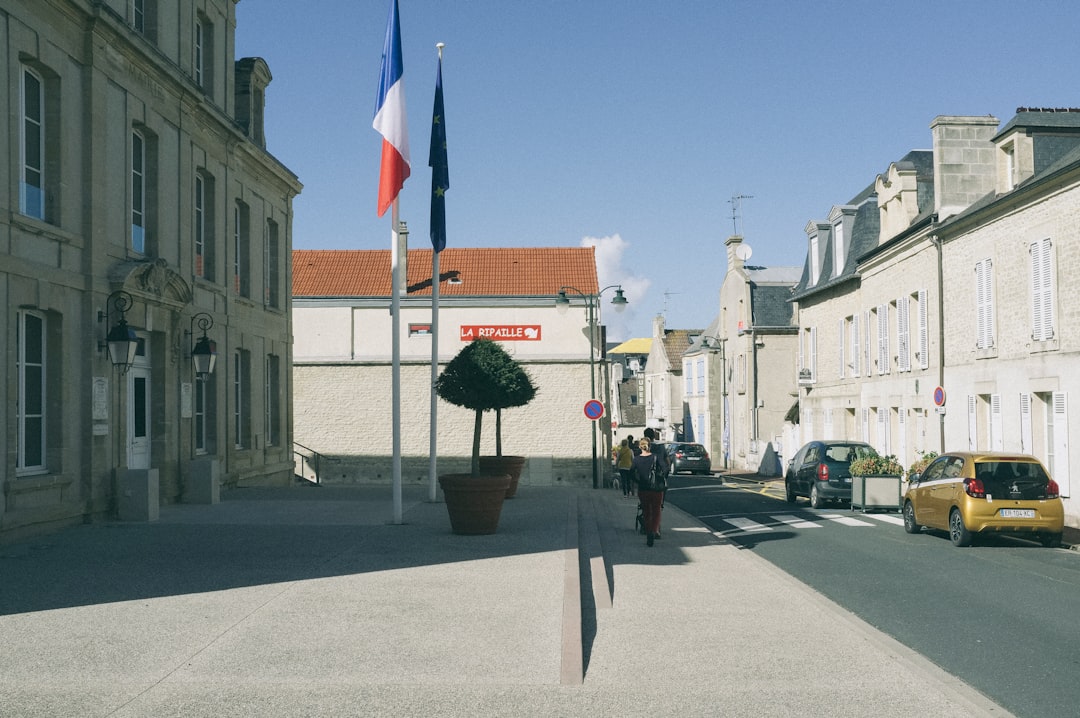
Several newly elected far-right mayors across France have removed European Union flags from town halls in their first days in office, marking a symbolic rejection of European integration as the continent faces its most serious security and economic challenges in decades.
According to Le Monde, at least eight mayors affiliated with the National Rally party have ordered EU flags taken down from municipal buildings, leaving only the French tricolor. The coordinated actions follow local elections that saw significant gains for the far-right party in smaller cities and towns.
The flag removals carry particular symbolic weight at a moment when Europe faces deep divisions over the American war in Iran and an escalating energy crisis that has tested European solidarity.
The most prominent removal occurred in Perpignan, a city of 120,000 near the Spanish border, where newly inaugurated Mayor Louis Aliot directed municipal workers to take down the EU flag within hours of taking office. "We are a French city, governed by French laws, for French citizens," Aliot said in remarks to local media. "The European flag has no place here."
Similar scenes played out in Béziers, Fréjus, and several smaller communes across southern France, where National Rally candidates secured victories in recent municipal elections. Party leader Marine Le Pen did not directly comment on the flag removals, but has previously endorsed the primacy of national symbols over European ones.
To understand today's headlines, we must look at yesterday's decisions. France was a founding member of the European project, with French statesmen like Robert Schuman and Jean Monnet serving as architects of European integration after World War II. For decades, France positioned itself as a driving force behind European unity, making the current nationalist turn particularly significant.
The flag removals prompted swift condemnation from pro-European politicians. "This is not just about a piece of cloth," said Renew Europe member of the European Parliament Nathalie Loiseau. "It's about rejecting the values of cooperation and solidarity that have kept Europe at peace for 77 years. These mayors are playing with dangerous symbolism."
The French government issued a statement reminding municipalities that while display of the EU flag is customary at public buildings, it is not legally mandatory. The Interior Ministry suggested it would not intervene to force compliance, effectively allowing the nationalist mayors to proceed with their symbolic gestures.
The timing is particularly notable given current tensions within the European Union. European members states are divided over the American war against Iran, with France, Germany, and Spain refusing to provide military support despite pressure from Washington. This has strained transatlantic relations and raised questions about the future of NATO.
Additionally, the energy crisis triggered by the Strait of Hormuz closure has tested European coordination, with some member states competing for scarce energy supplies rather than presenting a unified approach. The European Commission's recent call for reduced travel has been met with mixed reactions, with some national governments complying enthusiastically while others resist coordination.
Historians noted that periods of European crisis have often strengthened nationalist movements. The 2008 financial crisis, the 2015 migration crisis, and the COVID-19 pandemic all contributed to increased support for parties skeptical of European integration. The current combination of energy insecurity, economic uncertainty, and geopolitical instability may be creating conditions for further nationalist gains.
"Europe is always most vulnerable when external shocks reveal the limits of integration," said Dr. Sophie Meunier, a political scientist at Princeton University who studies European politics. "The flag removals are symptoms, not causes. They reflect a broader questioning of what Europe means and whether it serves French interests."