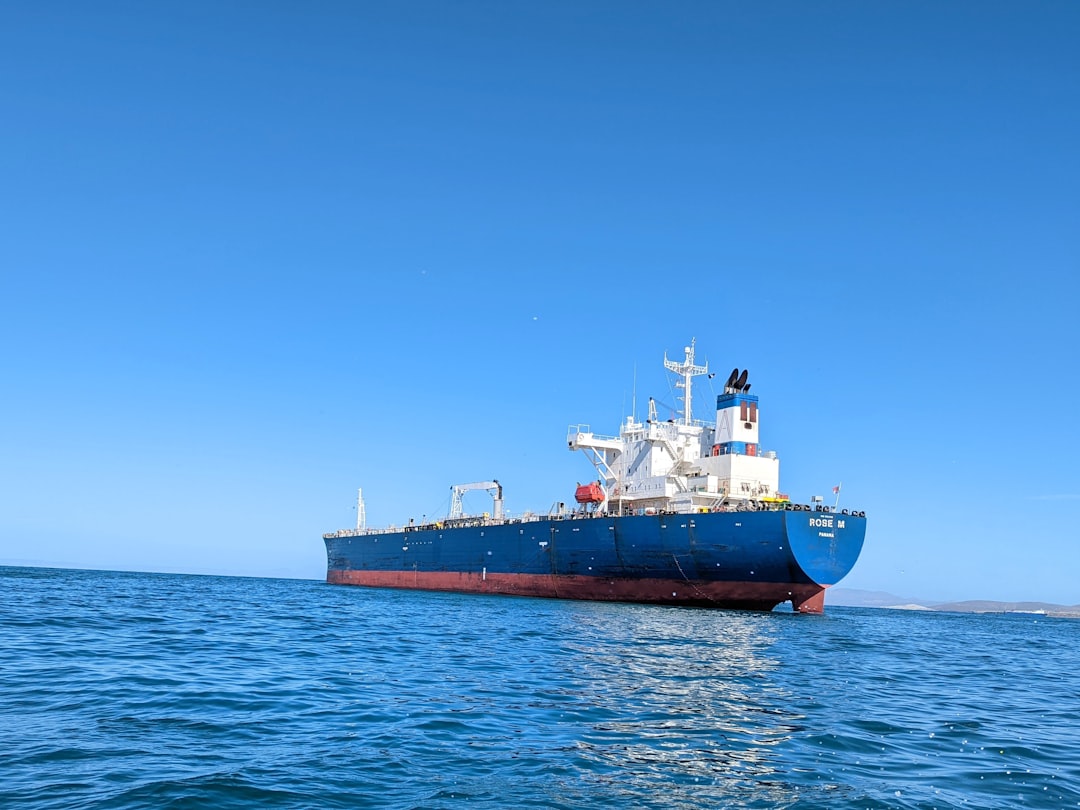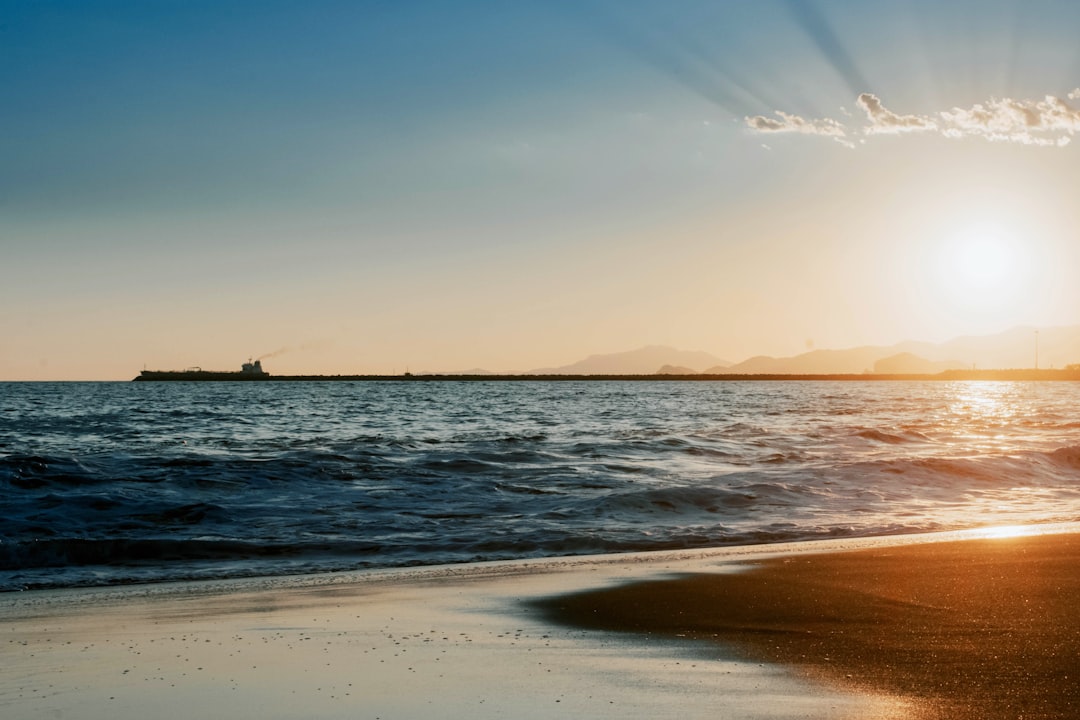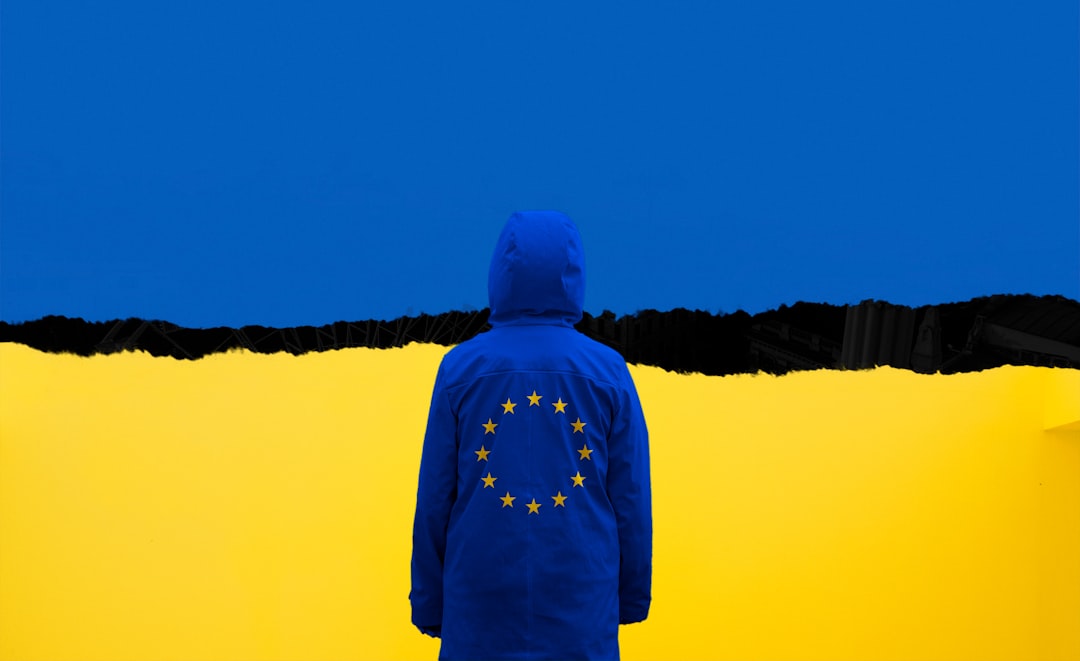
The European Commission has issued unprecedented guidance urging Europeans to reduce non-essential travel as the continent grapples with a deepening energy crisis triggered by the United States-Iran conflict and the closure of the Strait of Hormuz.
In a statement released Sunday, the Commission recommended that citizens "consider carefully" travel plans and reduce fuel consumption where possible, marking the first time Brussels has issued such broad guidance to the European public during a peacetime energy crisis, according to Politico Europe.
The guidance comes as oil prices have surged past $150 per barrel and refined fuel supplies face severe constraints due to the disruption of Middle Eastern exports.
Energy Commissioner Kadri Simson said the measure was necessary to "ensure energy security for all Europeans" and to prevent fuel shortages during the critical spring and summer travel season. The Commission stopped short of imposing mandatory restrictions, but officials made clear that voluntary compliance could help avoid more severe measures.
"We are asking Europeans to show solidarity and restraint," Simson said. "Every liter of fuel saved helps ensure that essential services, heating, and critical transportation can continue uninterrupted."
To understand today's headlines, we must look at yesterday's decisions. The current crisis represents a cruel irony for Europe, which spent the past three years painstakingly reducing its dependence on Russian energy following Moscow's invasion of . European nations diversified supply chains, built new liquefied natural gas terminals, and invested heavily in renewable energy, only to find themselves vulnerable to a different crisis.