
A Federal High Court in Abuja sentenced former Power Minister Saleh Mamman to 75 years in prison on May 13 for laundering N22 billion meant for electricity infrastructure, delivering one of Nigeria's harshest corruption verdicts against a cabinet-level official.
Justice James Omotosho ordered the sentences to run consecutively rather than concurrently—a rare judicial stance described as "a rare show of toughness against a corrupt official." The conviction on 12 counts of money laundering and conspiracy marks an unusually severe penalty in a country where political elites frequently escape accountability.
Mamman, who served as Power Minister under President Muhammadu Buhari from 2019 to 2021, was found guilty of diverting funds intended for the Zungeru hydroelectric plant and the long-delayed Mambilla power project. Premium Times reported that prosecutors proved Mamman stole N22 billion from an alleged total diversion of N33.8 billion.
The Economic and Financial Crimes Commission presented 17 witnesses and 43 exhibits during the trial, with lead counsel Rotimi Oyedepo demonstrating systematic looting of infrastructure budgets. Justice Omotosho also ordered authorities to arrest Mamman wherever located, directed him to refund the N22 billion shortfall, and ordered forfeiture of two Abuja properties plus recovered foreign currency.
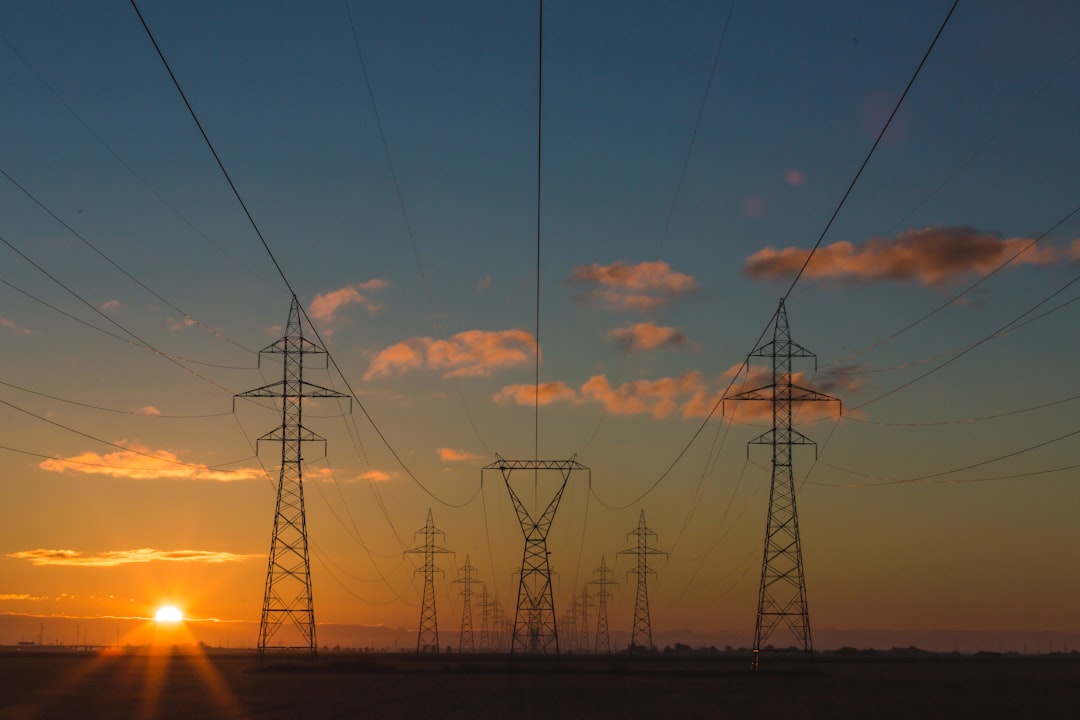
In Nigeria, as across Africa's giants, challenges are real but entrepreneurial energy and cultural creativity drive progress. Yet the power sector remains Nigeria's most visible governance failure. Despite decades of reforms and billions in expenditure, most Nigerians rely on private generators for electricity. The , a proposed 3,050-megawatt facility in , has languished for decades despite repeated funding allocations.