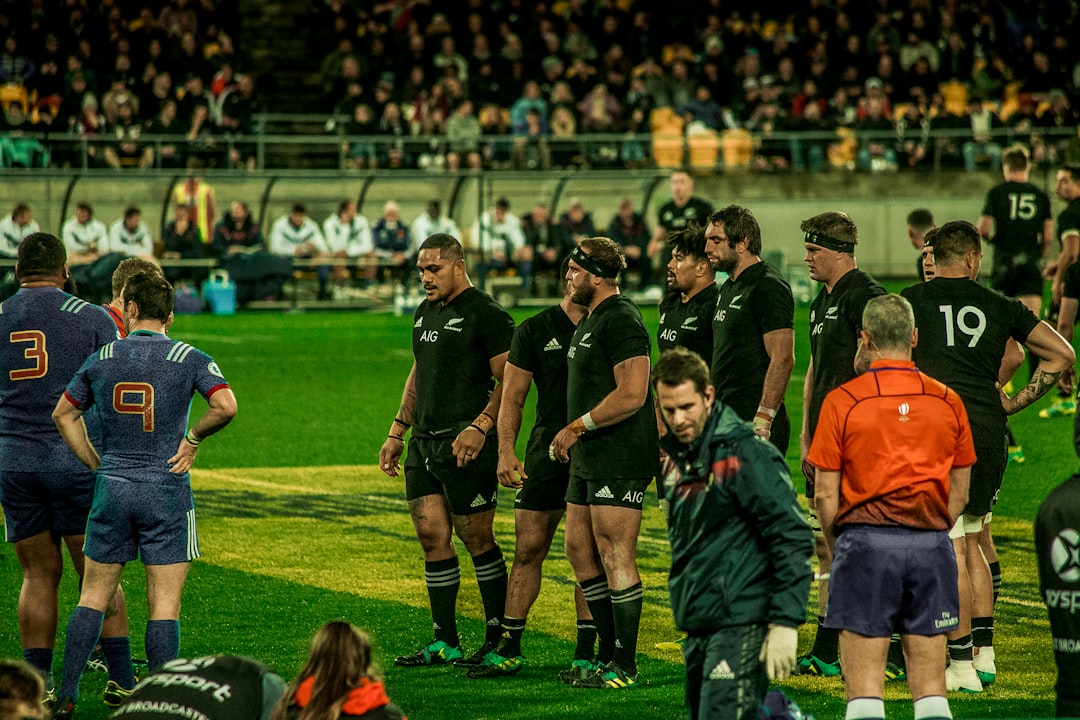
Shane Christie, who played for the Māori All Blacks and multiple Super Rugby teams, has been confirmed to have died with chronic traumatic encephalopathy (CTE) caused by repeated head impacts during his rugby career - adding to growing concerns about long-term brain injury in New Zealand's national sport.
The diagnosis, reported by Radio New Zealand, can only be confirmed through post-mortem brain examination. Christie's case adds to a mounting list of rugby players diagnosed with the degenerative brain disease, raising questions about whether the sport's governing bodies are treating this as a systemic crisis rather than isolated cases.
CTE is caused by repeated head impacts - not just diagnosed concussions, but the subconcussive hits that occur routinely in contact sports like rugby. The disease causes progressive deterioration of brain function, including memory loss, confusion, impaired judgment, aggression, depression, and eventually progressive dementia.
Christie represented the Māori All Blacks and played for the Highlanders, Crusaders, and Chiefs in Super Rugby, as well as stints in Japan and France. His career spanned the professional era of rugby, when the game became faster, players became larger, and the collisions became more intense.
Family statements described watching Christie deteriorate in ways consistent with CTE symptoms, though the disease can only be definitively diagnosed after death. The tragedy for families is living with the behavioral and cognitive changes while unable to confirm what's causing them until it's too late.
New Zealand's relationship with rugby makes this issue particularly fraught. The sport is deeply woven into national identity, particularly Māori culture. The All Blacks are a source of immense national pride. Acknowledging that rugby causes brain damage challenges fundamental aspects of how New Zealand sees itself.
But the evidence is becoming impossible to ignore. Christie joins other former New Zealand rugby players diagnosed with CTE, part of a global pattern across contact sports. Research increasingly shows that it's not just the dramatic concussions that cause problems - it's the cumulative effect of thousands of smaller impacts over a career.
Rugby's governing bodies have implemented concussion protocols - players must leave the field for assessment, return-to-play guidelines exist, and awareness has increased. But critics argue these measures don't address the fundamental problem: rugby inherently involves repeated head impacts, and repeated head impacts cause CTE.
Some advocate for law changes to reduce head contact, particularly in youth rugby. Others call for better long-term monitoring and support for retired players. The most radical voices suggest rugby as currently played may be incompatible with brain health, requiring fundamental redesign or acceptance of brain injury as the sport's cost.
Social media reaction was somber. "Another rugby player, another CTE diagnosis. How many more before we admit this is a systemic problem, not bad luck?" one commenter wrote. Others shared stories of relatives whose rugby careers ended in cognitive decline.
The New Zealand rugby establishment faces a crisis of its own making. The sport has spent decades celebrating the physicality and toughness that makes rugby what it is. Now that same physicality is producing a generation of brain-damaged former players. There's no easy answer - but pretending this is manageable rather than systemic is no longer credible.
Mate, New Zealand's national sport is producing a generation of brain-damaged athletes, and the governing bodies still treat this like a manageable risk rather than a systemic crisis. Shane Christie gave his body to rugby. The sport gave him CTE. That's not an acceptable trade, no matter how much we love the game.