
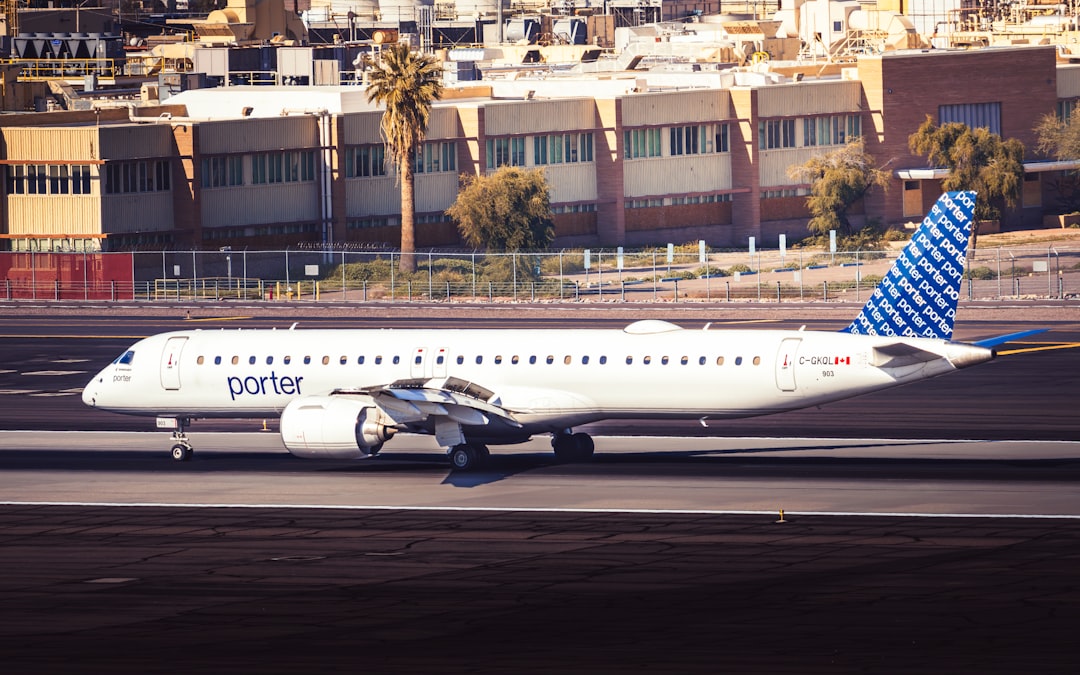
Finnish flag carrier Finnair has ordered up to 46 Embraer E195-E2 jets in a deal worth billions of dollars, representing a major victory for Brazil's aerospace sector and demonstrating the country's technological sophistication beyond its traditional commodity exports.
The agreement, <link url='https://www.airway.com.br/finnair-encomenda-ate-46-jatos-embraer-e195-e2-para-substituir-frota-envelhecida-de-e190/'>announced by Airway Brasil</link>, includes 20 firm orders with options for 26 additional aircraft. The deal will see Finnair replace its aging fleet of first-generation E190s with the more fuel-efficient E195-E2 model, Embraer's latest regional jet featuring advanced aerodynamics and significantly reduced operating costs.
In Brazil, as across Latin America's giant, continental scale creates both opportunity and governance challenges. But this deal showcases Brazil's ability to compete at the highest levels of advanced manufacturing. São José dos Campos-based Embraer has become the world's third-largest aircraft manufacturer, behind only Boeing and Airbus, and dominates the regional jet market with approximately 60% market share.
"This is exactly the kind of economic success story Brazil needs to tell more often," said Dr. Marina Costa, an industrial economics researcher at the Getulio Vargas Foundation. "We're known globally for soybeans, iron ore, and coffee, but Embraer proves Brazil can master high-technology manufacturing and compete successfully with European and American companies."
The E195-E2, which seats up to 146 passengers, represents the cutting edge of regional aviation technology. The aircraft features 16% lower fuel consumption per seat compared to the previous generation, along with reduced maintenance requirements and enhanced passenger comfort—critical factors as airlines face pressure to cut costs and emissions.
For Finnair, the order represents a strategic fleet renewal at a time when European airlines are modernizing their operations. The carrier has operated Embraer aircraft for years and specifically praised the Brazilian manufacturer's reliability and customer support as factors in the decision to expand the relationship rather than switch to competitors.
The deal also has significant implications for Brazil's broader industrial strategy. Embraer directly employs approximately 17,000 people in Brazil, but the company's supply chain extends across hundreds of Brazilian companies, creating multiplier effects throughout the economy. The aircraft assembly requires sophisticated components from Brazilian suppliers in electronics, materials science, and precision manufacturing.
"Each aircraft order translates into thousands of jobs across Brazil's industrial base," noted Carlos Mendes, president of the Brazilian Aerospace Industries Association. "This isn't just about assembly lines in São José dos Campos—it's about suppliers in Minas Gerais, electronics firms in Campinas, and materials companies in Rio Grande do Sul."
The timing is particularly significant for Brazil as President Lula's government pursues re-industrialization policies aimed at moving the country up the value chain beyond commodity exports. Embraer stands as proof that Brazilian industry can succeed in the most demanding global markets when given appropriate support and investment in education and research.
Embraer's success comes despite significant headwinds, including a collapsed merger attempt with Boeing in 2020 that ended in litigation. The company has since refocused on independence and expanding its market position, particularly in the regional jet segment where its E2 family competes against larger manufacturers who have struggled to match its efficiency in the 100-150 seat range.
The Finnair order follows recent wins with other European carriers and demonstrates continued confidence in Embraer despite global supply chain challenges affecting the entire aerospace industry. Delivery of the aircraft will begin in 2027 and continue through 2032, providing Embraer with steady production visibility.
Beyond commercial aviation, Embraer has diversified into defense, business jets, and urban air mobility. The company's KC-390 military transport has won orders across Latin America and Europe, while its business jet division serves high-net-worth clients globally. The company is also developing electric vertical takeoff and landing (eVTOL) aircraft for future urban transportation.
For Brazil's role in BRICS and its aspirations for South-South trade leadership, Embraer represents exactly the kind of high-value manufacturing capacity that distinguishes the country from other emerging markets. As Brazil seeks to position itself as a technological bridge between the Global South and developed economies, aerospace provides a compelling example of competitive advantage.
The aerospace sector also benefits from Brazil's geography and scale. The country's vast distances created demand for regional aviation that helped Embraer perfect its niche, while partnerships with Brazilian universities and research centers have provided the engineering talent necessary for continuous innovation.
As global aviation rebounds from pandemic disruptions and airlines seek more efficient, sustainable fleets, Embraer finds itself well-positioned for growth. The Finnair order confirms that Brazilian engineering and manufacturing can compete successfully in the most demanding markets—a message that resonates far beyond the aerospace sector.