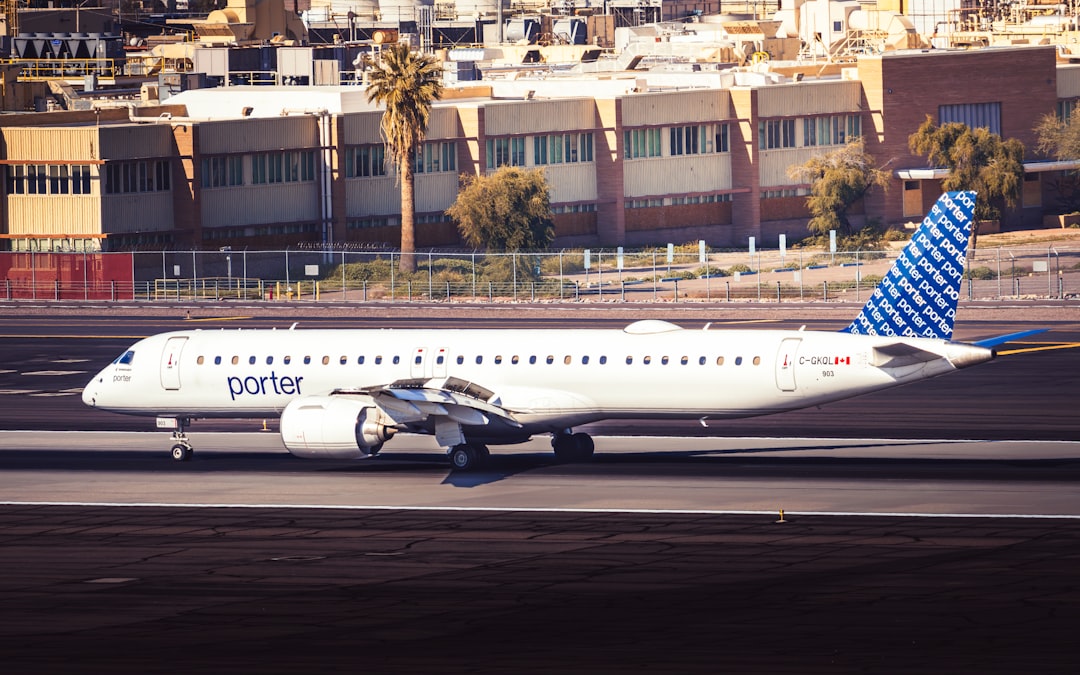

Two pilots were killed early Sunday morning when an Air Canada Express aircraft collided with a ground vehicle on the runway at New York's LaGuardia Airport, according to CBC News, in a tragic accident that has prompted urgent questions about runway safety protocols at one of America's busiest airports.
The collision occurred as the aircraft was preparing for takeoff. The plane, operated by Air Canada Express, struck a ground vehicle that had entered the runway. Both pilots aboard the aircraft were killed in the impact. The driver of the ground vehicle was transported to a local hospital with injuries that officials described as serious but not life-threatening.
The accident has shaken the aviation community and raised immediate concerns about ground operations safety. LaGuardia, which handles more than 30 million passengers annually, operates on a complex system of runways, taxiways, and service roads. Ground vehicles—from baggage tugs to fuel trucks to catering vans—share the airport environment with aircraft, a dance choreographed by air traffic controllers and ground operations managers.
How that system failed Sunday morning is now the subject of multiple investigations. The Federal Aviation Administration has dispatched a team to New York, while the National Transportation Safety Board has taken the lead on the accident investigation. Canadian authorities are also involved, given that the aircraft was operated by an Air Canada regional carrier.
"Runway incursions—when vehicles or aircraft enter runways without clearance—are among the most serious safety events in aviation," explained one former FAA official. "The fact that this incursion resulted in a collision with fatalities means investigators will be looking at every link in the safety chain to understand what went wrong."
LaGuardia has been the site of significant runway safety investments in recent years. The airport underwent a major reconstruction project that included new runway layouts and updated ground control systems. Airport officials have pointed to improved safety records since the renovations. Sunday's collision represents a devastating setback.
For Air Canada, the loss of two pilots is both a tragedy and a reminder of the risks that aviation professionals face. The airline released a statement expressing condolences to the families of the pilots and pledging full cooperation with investigators. The names of the pilots have not yet been publicly released, pending notification of family members.
The collision forced temporary closure of LaGuardia's main runway, creating ripple effects across the national aviation system. Dozens of flights were delayed or diverted to nearby airports. By late afternoon, operations had resumed, but the airport was still working through a backlog of delayed departures and arrivals.
Aviation safety experts note that fatal runway collisions, while rare, have historically led to major changes in airport operations. Previous accidents have prompted installation of ground radar systems, enhanced lighting for runways and taxiways, and more rigorous training for ground vehicle operators.
The question now is whether Sunday's collision at LaGuardia reveals systemic gaps that require similar interventions. Were the ground vehicle operators properly trained? Did they have clearance to enter the runway? Were there communication failures between the tower and ground operations? These are the questions investigators will attempt to answer in the months ahead.
As Americans like to say, 'all politics is local'—even in the nation's capital. But aviation safety is a national concern, and accidents at major hubs like LaGuardia have implications for travelers across the country. The investigation into this collision will be watched closely by airport operators, airlines, and safety advocates who want to ensure that the mistakes that led to two deaths are never repeated.
For now, two families mourn the loss of pilots who were simply doing their jobs, preparing for what should have been a routine departure from New York. Their deaths serve as a somber reminder that aviation, despite its remarkable safety record, still carries risks—and that constant vigilance is required to protect those who work in and travel through America's airports.