
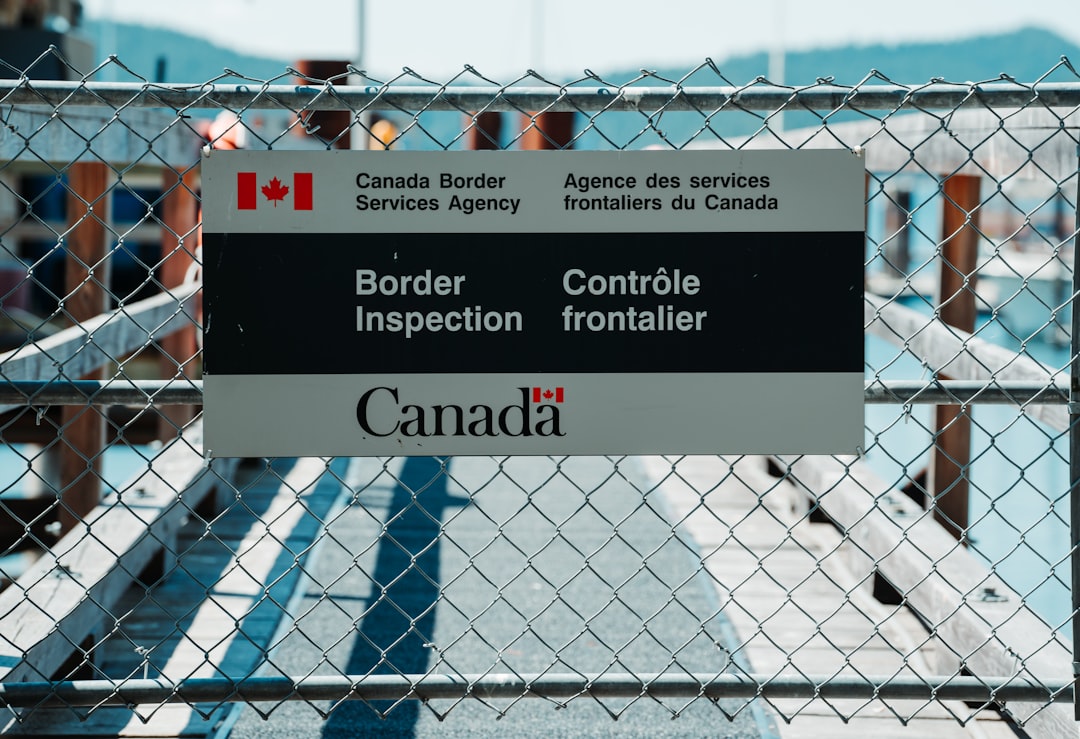
Karen Hogan, Canada's Auditor General, delivered a damning assessment of the country's international student program, revealing that federal agencies have lost track of thousands of foreign students whose visas have expired. The audit, <link url='https://www.bloomberg.com/news/articles/2026-03-23/canada-not-tracking-foreign-students-after-visas-lapse-audit-says'>released Sunday</link>, exposes critical weaknesses in immigration integrity controls that have national security and public safety implications.
The audit found that Immigration, Refugees and Citizenship Canada (IRCC) and the Canada Border Services Agency (CBSA) lack adequate systems to monitor whether international students leave the country when their study permits expire. With Canada issuing more than 900,000 study permits in 2023 alone—a dramatic increase from pre-pandemic levels—the gap in oversight represents a significant governance failure.
"There are critical weaknesses in the integrity controls for the International Student Program," Hogan stated in the audit. The report identified that federal agencies cannot reliably determine how many students remain in Canada after their authorized stay ends, creating what immigration experts describe as a blind spot in the system.
The findings arrive amid intensifying political debate over temporary immigration levels. Prime Minister Justin Trudeau's government has faced mounting pressure from provinces and municipalities struggling with housing shortages and infrastructure strain—challenges critics attribute partly to surging temporary resident numbers.
In Canada, as Canadians would politely insist, we're more than just America's neighbor—we're a distinct nation with our own priorities. But this audit reveals a distinctly Canadian problem: the gap between ambitious immigration policy and institutional capacity to implement it effectively.
The international student program has become a significant revenue source for Canadian universities and colleges, particularly in provinces like Ontario and British Columbia. However, the audit suggests that rapid program expansion outpaced the development of proper oversight mechanisms. Educational institutions receive approximately $22 billion annually from international students, creating powerful economic incentives that may have overwhelmed regulatory safeguards.
Provincial reactions varied. Ontario Premier Doug Ford has previously called for federal reforms to the international student program, linking it to housing pressures in cities like Toronto. Quebec, which exercises more control over immigration within its borders, has already moved to cap international student numbers—a decision that appears prescient given the audit's findings.
Immigration Minister Marc Miller announced last year that the government would reduce study permit approvals by 35 percent for 2024, introducing caps on a province-by-province basis. The move was designed to address concerns about program integrity and housing pressures, but the audit suggests such measures may be insufficient without fundamental improvements to tracking and enforcement systems.
The audit also highlighted concerns about fraudulent acceptance letters from educational institutions and inadequate verification processes. Some institutions, particularly in the private college sector, have faced accusations of operating "visa mills" that prioritize revenue over education quality—a problem the audit suggests federal agencies have been unable to effectively police.
Security experts warn that the tracking gap creates potential vulnerabilities. While the vast majority of international students comply with visa terms, the inability to identify and locate those who overstay represents a fundamental failure of border integrity—one that could have implications for public safety and national security.
The findings complement another audit released Sunday revealing that the Royal Canadian Mounted Police has failed to recruit enough officers to meet operational needs, suggesting a broader pattern of federal capacity constraints. These twin audits paint a picture of federal institutions struggling to keep pace with policy ambitions.
Opposition parties seized on the audit as evidence of Liberal government mismanagement. Conservative immigration critic Tom Kmiec called the findings "unacceptable" and demanded immediate action to restore program integrity. The New Democratic Party emphasized the need for better international student protections, noting that inadequate oversight leaves students vulnerable to exploitation by unscrupulous employers and institutions.
The audit recommended that IRCC and CBSA develop integrated data systems to track student departures, strengthen verification of institutional compliance, and establish clearer protocols for follow-up when students cannot be located. However, implementing such changes will require significant investment in technology and personnel—a challenge for a government already under fiscal pressure and planning 15,000 public service job cuts over three years.
The international student issue reflects Canada's broader immigration policy tensions: balancing economic benefits, humanitarian commitments, security concerns, and social cohesion. With federal elections approaching, immigration policy—long considered a political strength for Canada—has become contested terrain.
For Canadian universities and colleges, the audit may portend stricter regulations and reduced enrollment from international markets. Institutions that have built business models around international tuition revenue face an uncertain future as federal and provincial governments reassess program parameters.
The audit's timing is particularly significant as the Liberal government prepares its immigration levels plan for 2026-2028. Prime Minister Trudeau has signaled openness to reducing overall immigration targets, acknowledging public concerns about infrastructure capacity. The student visa audit provides concrete evidence that policy ambition has exceeded administrative capability—a reality that may shape more conservative approaches going forward.
As Canada navigates these challenges, the audit serves as a reminder that effective governance requires more than policy announcements—it demands institutional capacity, adequate resources, and political will to ensure promises translate into practice. For a country that prides itself on competent administration and the rule of law, the gap between policy and execution revealed by this audit is particularly troubling.