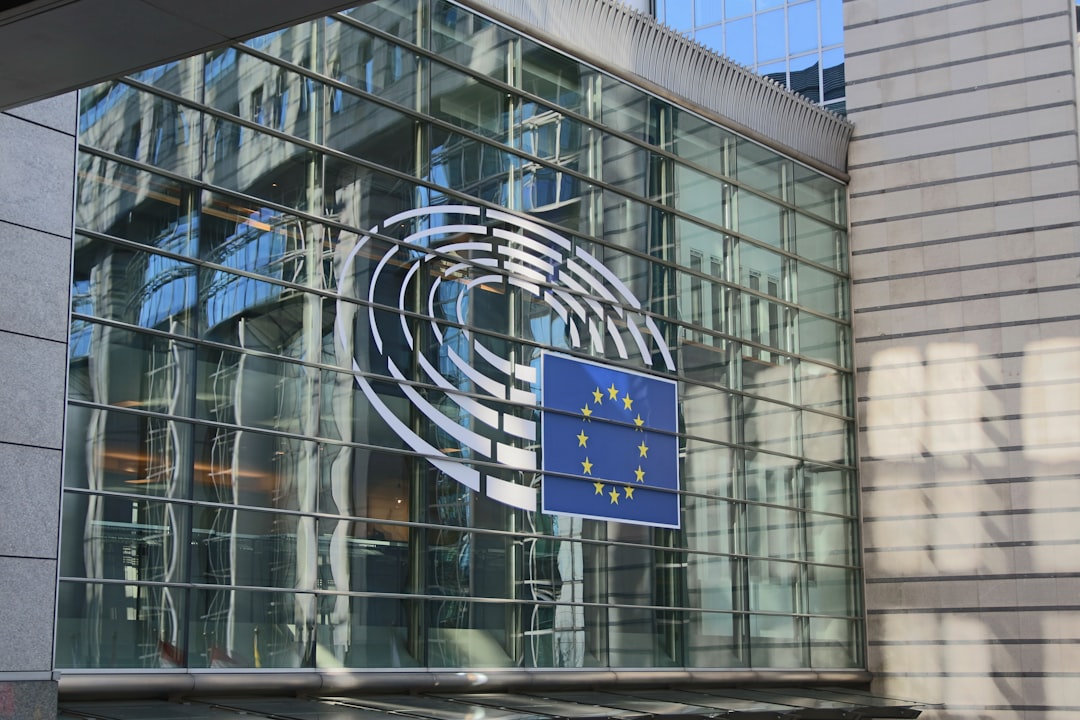
European Union foreign policy chief Kaja Kallas has accused the United States of deliberately attempting to "divide Europe" through its recent policy decisions, marking one of the sharpest public rebukes of Washington by a senior EU official in recent memory.
In an interview with the Financial Times published Thursday, Kallas—a former Estonian prime minister known for her staunchly pro-Atlantic stance—delivered a scathing assessment of US behavior toward its European allies. "What we are seeing is a pattern of decisions that seem designed to put European countries at odds with one another," Kallas told the FT, according to Reuters. "This is not how allies treat each other."
The comments, extraordinary for a figure who has built her career on defending the transatlantic relationship and confronting Russian aggression, reflect deepening frustration in Brussels over US policies that European officials view as undermining EU unity. Among the specific grievances cited by European diplomats are the Trump administration's selective engagement with individual European capitals, its contradictory positions on Russia sanctions, and its unilateral decisions on military operations in the Middle East.
To understand today's headlines, we must look at yesterday's decisions. The transatlantic alliance has weathered previous storms—disagreements over the Iraq war in 2003, trade disputes, burden-sharing debates—but the current tensions strike at something more fundamental: whether views as a unified partner or as a collection of smaller actors to be managed individually.