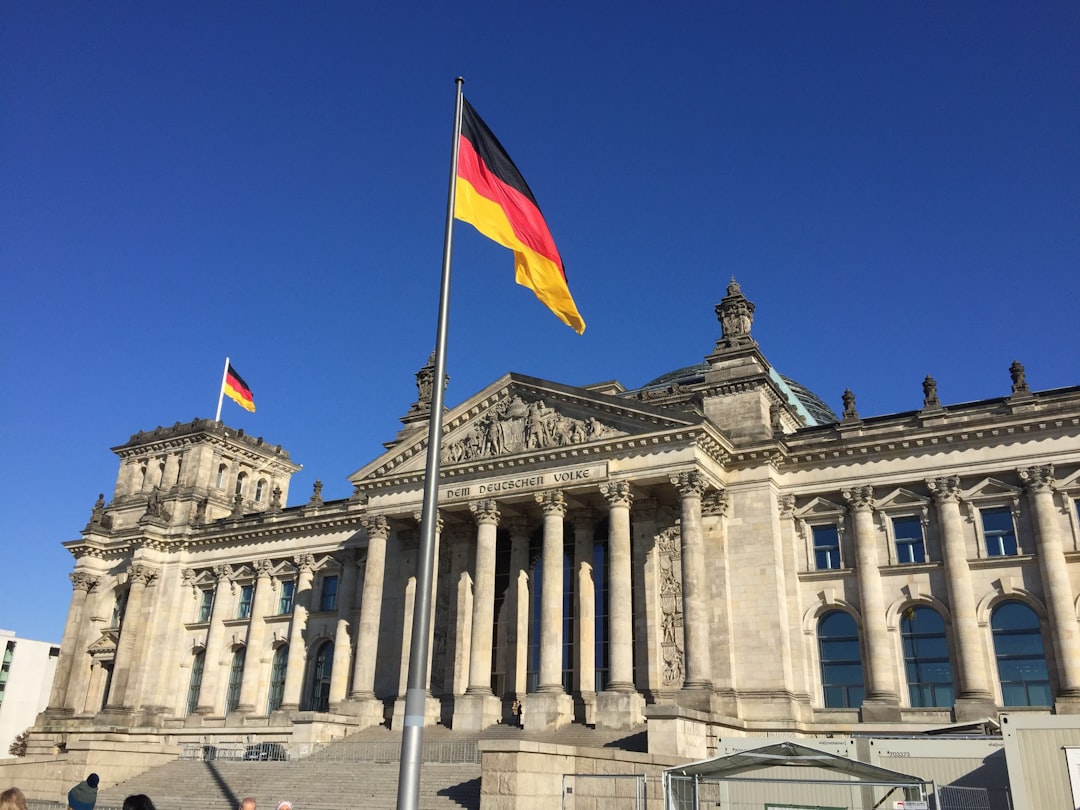
Access to confidential European Union documents by Germany's Russia-friendly Alternative for Germany party is raising concerns among EU diplomats that sensitive deliberations may be exposed to Moscow, according to Politico Europe reporting based on interviews with three EU diplomats and four German lawmakers.
German members of parliament—including those from the far-right AfD—have access to EuDoX, a databank containing approximately 25,000 EU files annually. The system includes confidential notes from meetings of EU ambassadors where bloc diplomats negotiate positions on geopolitical issues such as plans to fund Ukraine using frozen Russian assets.
"The problem is that we have a party, the AfD, of which there are justified suspicions of information leaking to China or Russia," said Anton Hofreiter, the Greens lawmaker who chairs the Bundestag's EU affairs committee.
A Deliberate Safeguard Becomes a Vulnerability
The EuDoX system was established as a safeguard against unchecked executive power, a particular concern in Germany given its Nazi past. Unlike in other national parliaments, all 736 Bundestag members and their approximately 5,000 aides have access to the databank. The documents carry "restricted" classification, the lowest level of confidential information.
"In principle, this access is absolutely right and necessary in order to fulfill our task to monitor the federal government," Hofreiter acknowledged, noting that much German governance now occurs at the EU level.
However, the system's democratic transparency creates security vulnerabilities that diplomats say are increasingly shaping how sensitive information is shared. "We're taking all kinds of precautions in Brussels to protect sensitive meetings and information," one senior EU diplomat told Politico. But the AfD access "leaves a giant, Putin-shaped hole in our security measures."