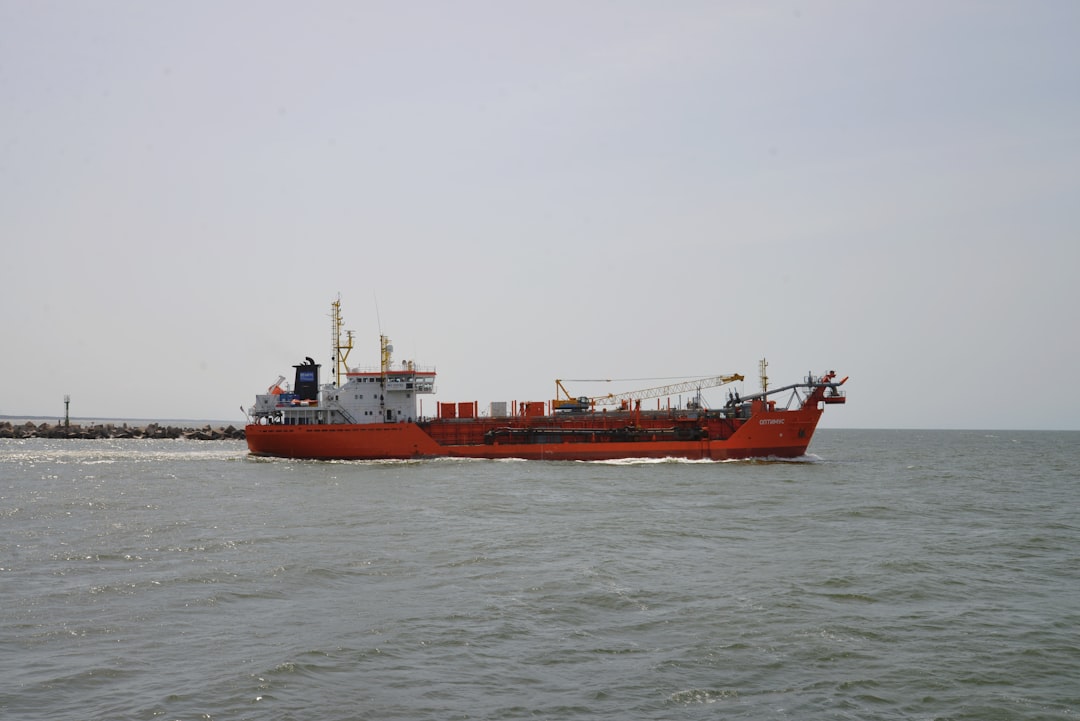
Estonia has ruled out intercepting and detaining vessels from Russia's "shadow fleet" in the Baltic Sea, citing overwhelming security risks and revealing a critical gap between Western sanctions policy and the practical realities of enforcement.
The decision exposes the limitations of international pressure on Moscow and highlights the vulnerability of Baltic states to Russian retaliation. Despite growing calls from environmental groups and some European officials to seize aging, poorly maintained tankers suspected of helping Russia evade oil sanctions, Tallinn has concluded that the risks outweigh potential benefits.
"The security considerations are simply too significant," an Estonian foreign ministry official told Reuters, speaking on condition of anonymity. The official noted that any attempt to board and detain Russian-linked vessels could provoke a military response from Moscow, potentially including harassment of Estonian commercial shipping or even direct action against Estonian naval assets.
The "shadow fleet" refers to hundreds of aging tankers, often registered under flags of convenience and operated by obscure shell companies, that transport Russian oil in violation of Western sanctions. These vessels frequently operate with inadequate insurance, poor maintenance, and dubious safety records, raising concerns about the risk of catastrophic oil spills in sensitive maritime environments like the Baltic Sea.
Environmental organizations have documented numerous instances of shadow fleet vessels turning off their transponders, transferring cargo at sea, and engaging in other practices designed to obscure the origin of Russian oil. The tankers represent a weak point in the sanctions architecture: while major shipping companies have largely complied with restrictions on Russian energy exports, the shadow fleet provides an alternative conduit.
For Estonia and its Baltic neighbors— and —the shadow fleet poses both an environmental threat and a security dilemma. These small nations share maritime borders with and have limited naval capabilities. Unlike larger NATO allies, they cannot easily project force at sea without risking disproportionate Russian retaliation.