The European Space Agency's Proba-2 satellite captured a spectacular view of the February 20 annular solar eclipse from its unique vantage point in low Earth orbit, providing scientists with valuable data while producing stunning imagery of the cosmic alignment.
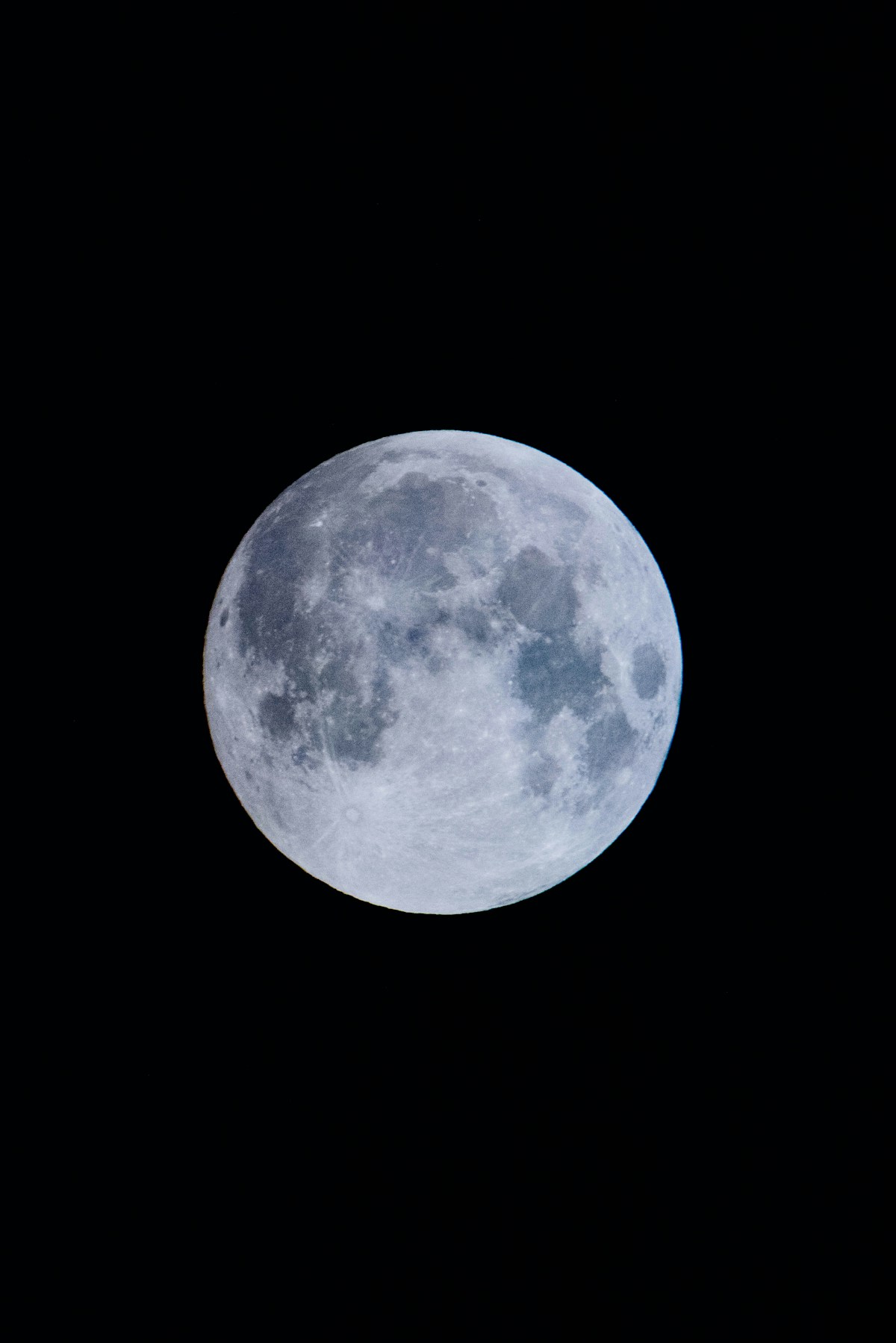
The "ring of fire" image shows the Moon passing directly in front of the Sun, with the lunar disk appearing slightly smaller than the solar disk—the defining characteristic of an annular eclipse. From Earth's surface, observers in a narrow path across the Atlantic Ocean and parts of Africa witnessed the same phenomenon, but Proba-2's orbital position offered unprecedented clarity.
Orbital eclipse observations provide scientific value beyond their visual appeal. Spacecraft instruments can observe the Sun's corona and chromosphere without atmospheric interference, measuring solar radiation across wavelengths blocked by Earth's atmosphere. Proba-2's dual Sun-watching telescopes captured the event in extreme ultraviolet light, revealing details of the solar atmosphere impossible to see from the ground.
The satellite's SWAP (Sun Watcher using Active Pixel System detector and Image Processing) instrument recorded the eclipse at temperatures of approximately one million degrees Celsius—the temperature of the Sun's corona. The LYRA (Large Yield Radiometer) simultaneously measured solar irradiance across multiple wavelengths, providing data that helps scientists understand solar activity and its effects on Earth's upper atmosphere.
In space exploration, as across technological frontiers, engineering constraints meet human ambition—and occasionally, we achieve the impossible. Proba-2, launched in 2009, continues demonstrating how relatively small spacecraft can deliver outsized scientific returns through clever design and precise positioning.
Eclipse observations from space have grown increasingly sophisticated. NASA's Solar Dynamics Observatory, ESA's Proba-2, and Japan's Hinode satellite regularly capture solar eclipses, building a comprehensive dataset of how the Moon's shadow affects the solar corona and Earth's ionosphere. These observations complement ground-based eclipse science while providing continuous monitoring impossible from Earth's rotating surface.