
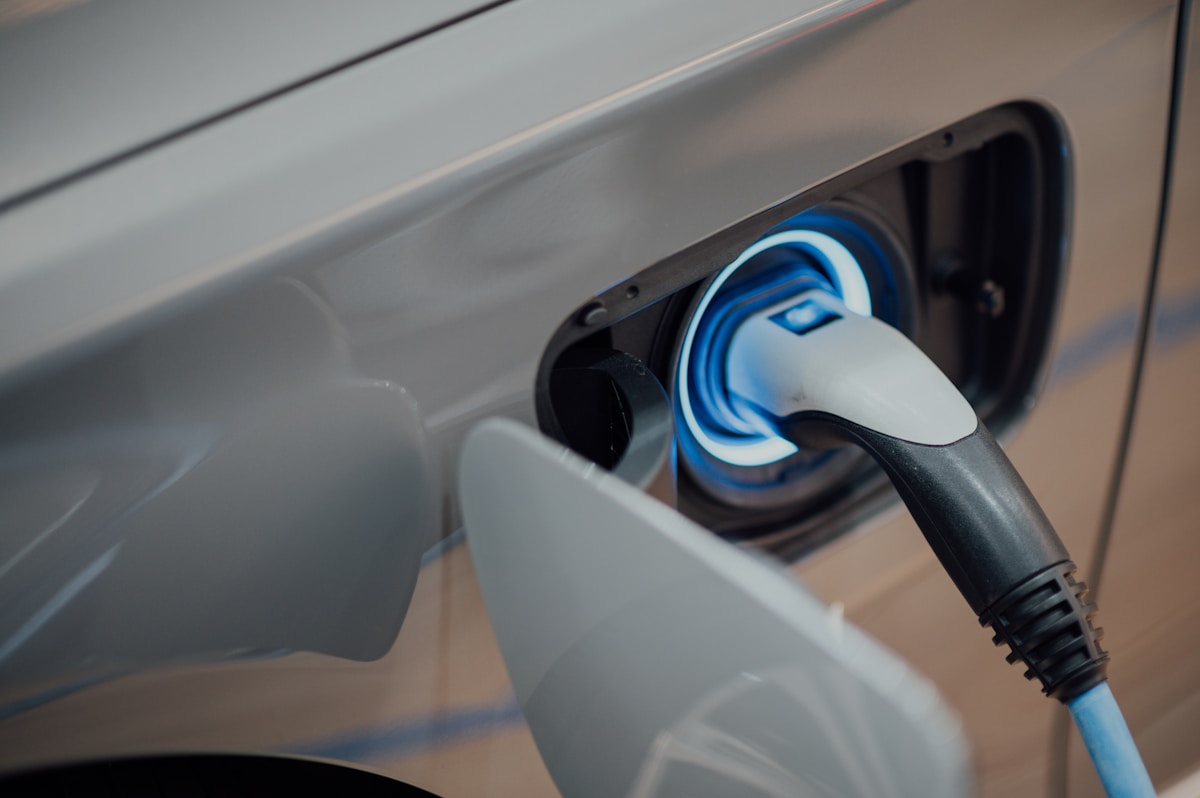
Electric vehicles have crossed a critical threshold, with adoption surging across both wealthy and developing nations as the technology transitions from niche to mainstream, according to new global sales data.
The Guardian reports that EV market share has reached double digits in more than 30 countries, including middle-income nations in Southeast Asia, Latin America, and Africa. The geographic breadth of adoption marks a fundamental shift in global transportation.
China leads the transformation, with EVs accounting for more than 35 percent of new car sales. But the story extends far beyond wealthy nations. Thailand saw EV sales triple in the past year, while Indonesia and Vietnam report accelerating uptake driven by domestic manufacturing and government incentives.
In Brazil, EV sales grew 90 percent year-over-year, with locally manufactured models making electric vehicles accessible to middle-class buyers for the first time. India's two-wheeler EV market has exploded, with electric scooters and motorcycles transforming urban mobility in cities from Delhi to Bangalore.
"This is no longer a rich-country phenomenon," said Dr. Amara Okafor, transportation analyst at the African Development Bank. "Developing nations are leapfrogging directly to electric mobility, skipping the decades of internal combustion vehicle dominance that defined wealthy countries' transportation evolution."
In climate policy, as across environmental challenges, urgency must meet solutions—science demands action, but despair achieves nothing. Electric vehicle adoption demonstrates that climate solutions can scale rapidly when technology costs fall and policy support aligns.
Battery costs have plummeted 90 percent over the past decade, making EVs price-competitive with gasoline vehicles in many markets. South Africa, Kenya, and Morocco are establishing EV assembly plants, creating jobs while reducing oil import dependence.
The shift carries profound climate implications. Transportation accounts for nearly a quarter of global emissions. Electrifying vehicle fleets, particularly when powered by renewable energy, offers one of the most effective paths to emissions reduction. The International Energy Agency projects that EV adoption could eliminate 6 gigatons of annual emissions by 2030 if current growth trajectories continue.
Yet challenges persist. Charging infrastructure lags demand in many developing nations, creating range anxiety that slows adoption. Nigeria has fewer than 100 public charging stations for a population of 230 million. Argentina faces similar gaps despite growing EV sales.
Grid capacity presents another obstacle. As EV adoption accelerates, electricity demand surges. Countries must expand generation capacity while ensuring that new power comes from renewables rather than fossil fuels. Otherwise, electric vehicles simply relocate emissions from tailpipes to power plants.
Climate justice considerations remain critical. Wealthy nations' historical emissions created the climate crisis, yet developing countries often pay the highest costs while having contributed least to the problem. EV technology transfer and financing must flow from developed to developing nations to ensure equitable transition.
Mining for battery materials—lithium, cobalt, nickel—raises environmental and labor concerns. Chile, Argentina, and Bolivia hold vast lithium reserves. Whether extraction benefits local communities or replicates historical resource exploitation patterns will shape the transition's equity.
Used EV batteries create both challenge and opportunity. As early-generation electric vehicles retire, battery recycling infrastructure must scale rapidly. But those batteries can also serve second-life applications in grid storage, making renewable energy more reliable while extending battery utility.
The automotive industry's transformation proceeds faster than most analysts predicted even five years ago. Major manufacturers have committed to phasing out internal combustion engines. Norway will ban new gasoline car sales in 2025. The United Kingdom and California follow in 2030.
Transportation electrification represents not just climate mitigation but economic opportunity. Countries establishing domestic EV manufacturing now position themselves for the 21st century mobility economy. Those clinging to internal combustion risk being left behind as global markets shift.
The electric vehicle revolution has arrived. What remains uncertain is whether its pace will prove sufficient to meet climate imperatives.