
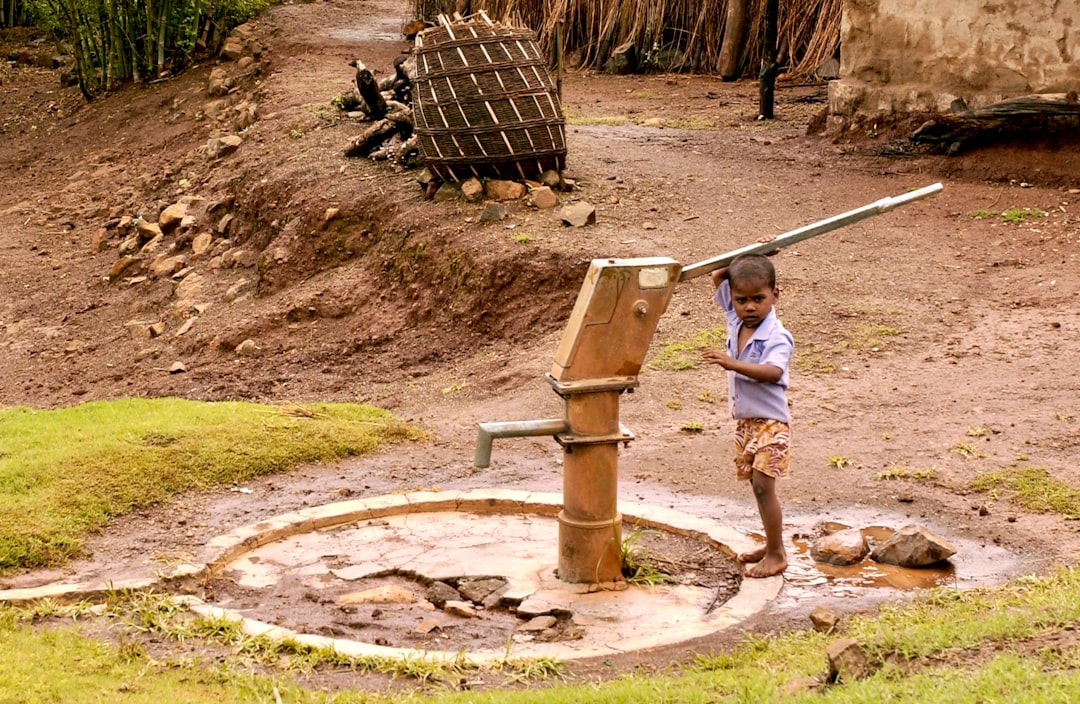
A 13-year-old Dalit boy was beaten and humiliated for drinking water from a handpump in Uttar Pradesh's Kanpur district, exposing the persistent caste-based discrimination that continues to plague rural India despite constitutional protections and decades of social reform efforts.
The incident occurred in a village in Kanpur when the minor approached a handpump to drink water. According to Times of India reports, he was allegedly thrashed and subjected to caste-based slurs by members of an upper-caste family who claimed exclusive rights to the water source.
Local police have registered a case under the Scheduled Castes and Scheduled Tribes (Prevention of Atrocities) Act, which provides enhanced penalties for caste-based violence. The accused have been identified, though details about arrests were not immediately available.
In India, as across the subcontinent, scale and diversity make simple narratives impossible—and fascinating. This incident in Uttar Pradesh represents not an isolated aberration but part of a documented pattern of caste discrimination that persists in rural areas even as urban India rapidly modernizes.
The Indian Constitution abolished untouchability in 1950, and Article 17 explicitly prohibits discrimination based on caste. Yet ground realities often diverge sharply from constitutional ideals, particularly in villages where traditional hierarchies remain entrenched. According to India's National Crime Records Bureau, thousands of atrocities against Dalits—members of communities historically considered outside the caste system—are reported annually, though activists say actual numbers are far higher due to underreporting.
Uttar Pradesh, India's most populous state with over 240 million residents, has consistently ranked among the states with highest reported caste-based crimes. The state's complex social fabric—with approximately 21% Dalit population according to census data—creates friction points where modernizing aspirations collide with traditional power structures.
Access to common resources like water sources remains a flashpoint for caste tensions across rural India. Despite government programs to ensure universal access to safe drinking water, social barriers often prove more durable than infrastructure investments. Villages across northern India still maintain segregated water sources, a practice that survives through informal enforcement rather than legal sanction.
The incident comes amid broader debates about social justice in India. Prime Minister Narendra Modi's government has emphasized development and economic growth, but critics argue that addressing deep-rooted caste discrimination requires sustained social interventions beyond infrastructure spending.
For the 13-year-old victim and his family, the assault represents both personal trauma and a stark reminder of social hierarchies that constrain daily life for millions of Dalits. Whether this case results in convictions—and whether convictions lead to genuine social change—will test India's commitment to the equality promised in its constitution but often denied in its villages.