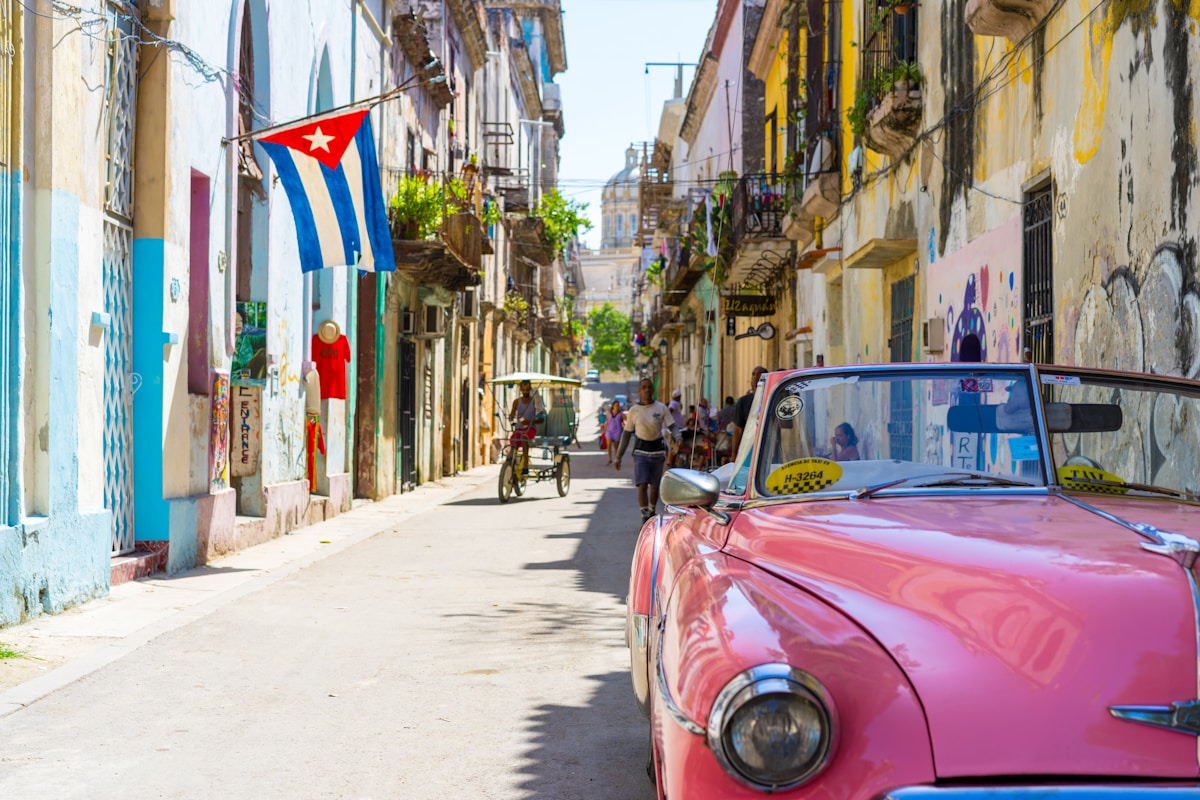
Cuba's tourism industry isn't just struggling—it's in complete freefall. International arrivals have plunged 55.8% in early 2026, hotels are shuttering, airlines are fleeing, and travelers face a destination where credit cards no longer work and the lights literally go out.
The numbers tell a devastating story. Only 328,608 international tourists arrived between January and April 2026, compared to previous year levels. Major hotel operators are abandoning the island en masse: Meliá Hotels International confirmed it will immediately end management for 15 Cuban hotels, Iberostar has reduced operations, and Canada's Blue Diamond Resorts is scaling back.
The airline exodus accelerated through May and June. At least 11 carriers including Air Canada, Air France, and Turkish Airlines have suspended Cuba flights. Iberia suspended Madrid-Havana service through October 24, 2026, cutting a critical European connection.
Then came the financial knockout blow: Cuba's central bank announced Visa and Mastercard payments would be suspended from June 6 after a foreign payment processor severed ties. For travelers, this means one thing: cash only, in a country already suffering chronic shortages.
"No credit cards, no reliable power, hotels closing," noted one recent visitor on r/travel. "It's heartbreaking for the people who depend on tourism income."
The power situation has deteriorated from bad to catastrophic. Cuba's aging electrical infrastructure now delivers widespread multi-hour blackouts even in tourist areas, as hotel backup generators can no longer be continuously supplied with diesel fuel.
The Trump administration's May 1 executive order expanded sanctions targeting GAESA (the military conglomerate controlling tourism) and its subsidiaries, accelerating the industry's collapse. While sanctions aim to pressure the regime, the collateral damage falls overwhelmingly on ordinary Cubans working in tourism.
For travelers with existing Cuba bookings, here's the survival guide:
First and most critical: bring cash in euros or Canadian dollars. Lots of it. Electronic payments are dead. ATMs are unreliable. Plan for 100% cash-based expenses.
Second, confirm your hotel is actually operating. Multiple travelers have arrived to find their confirmed reservations at closed properties. Direct contact with accommodations is essential.
Third, reconsider whether to go at all. Travel agents report they're redirecting dozens of Cuba bookings to the Dominican Republic, Puerto Rico, and Colombia instead, where tourism infrastructure remains intact.
Fourth, expect power outages. Pack battery banks, flashlights, and medications that don't require refrigeration. Generator-backed hotels may promise 24/7 power but can't always deliver with diesel shortages.
Fifth, verify your travel insurance covers destination collapse scenarios. Standard trip cancellation policies may not cover "I chose not to go because the infrastructure failed."
The tragedy extends beyond travelers. Cuba's tourism sector employed hundreds of thousands of people in restaurants, hotels, transportation, and services. Those livelihoods are evaporating as visitors stay away.
Some budget travelers argue Cuba remains accessible for those willing to rough it. "Bring cash, lower expectations, and support local paladares and casas particulares directly," advised one backpacker who visited in May. But that's advice for adventurous travelers, not mainstream tourists expecting reliable services.
Cuba's tourism collapse is a reminder that geopolitics, infrastructure decay, and economic crisis can rapidly transform destinations. What was challenging in 2024 became impossible in 2026.