South Africa's deepening water crisis has spawned a sinister secondary market, with criminal gangs weaponizing infrastructure failures to extort desperate communities and businesses, according to residents and investigative reporting.
The BBC investigation reveals how organized crime has identified water scarcity as a lucrative opportunity, controlling access to tanker deliveries, sabotaging municipal infrastructure to create demand, and charging exorbitant rates to communities with no alternatives. The phenomenon represents a disturbing convergence of governance failure, infrastructure decay, and criminal opportunism.
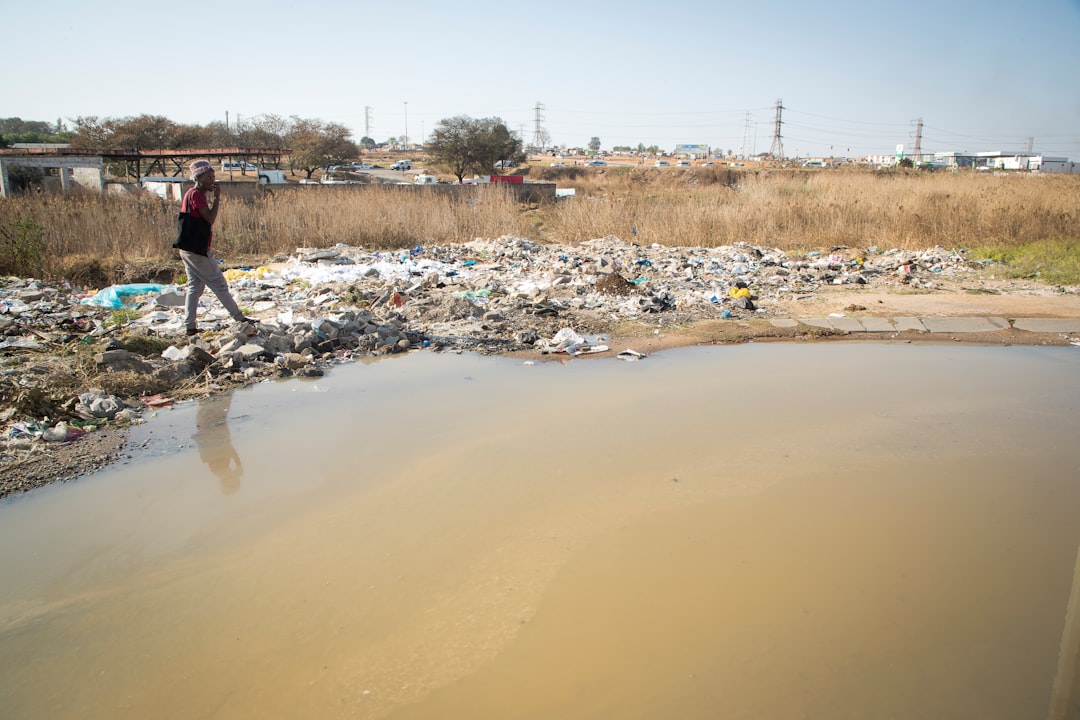
In communities across Gauteng and other provinces, residents report that criminal syndicates have effectively privatized water access through coercion. Tanker truck operators aligned with gangs demand inflated payments for deliveries, while independent operators face threats or violence if they attempt to service affected areas. The extortion transforms a basic human right into a criminal revenue stream.
More troubling still are allegations that gangs actively sabotage water infrastructure—damaging pipes, vandalizing pump stations, stealing equipment—to create or prolong shortages that drive demand for their services. What appears as infrastructure failure may, in some cases, be deliberate economic sabotage designed to entrench criminal control over essential services.
The water crisis itself stems from years of underinvestment, mismanagement, and corruption within municipal authorities. Aging infrastructure, inadequate maintenance, and the collapse of technical capacity in many municipalities have left millions of South Africans without reliable water access. Criminal gangs have merely exploited the vacuum created by governance failures.
In South Africa, as across post-conflict societies, the journey from apartheid to true equality requires generations—and constant vigilance. The water crisis reflects how service delivery failures disproportionately punish historically marginalized communities, while creating opportunities for predatory actors to profit from public suffering.
Residents in affected townships describe a climate of fear and frustration. Families are forced to choose between paying criminal gangs for water or going without. Small businesses face impossible choices: pay extortion fees or close operations. The most vulnerable—the elderly, the unemployed, those without resources to relocate—suffer most acutely.
The phenomenon also highlights the limitations of South Africa's criminal justice system. Police resources remain stretched, corruption undermines enforcement, and communities often lack confidence that reporting criminal activity will bring meaningful response. In this environment, organized crime flourishes, inserting itself into gaps left by state failure.
Water scarcity is not new to South Africa. Cape Town's near-miss with "Day Zero" in 2018—when taps nearly ran dry—exposed systemic vulnerabilities in urban water management. Yet the crisis has metastasized beyond drought-stricken regions, affecting areas with adequate rainfall but dysfunctional infrastructure and governance.
Civil society organizations and independent media outlets like the BBC have documented these patterns, holding both criminals and failing officials accountable. South Africa's democratic institutions—vibrant media, active civil society, opposition parties—continue to expose governance failures even when state capacity falters.
Yet exposure alone cannot deliver water to communities under criminal control. Addressing the crisis requires not only fixing pipes and restoring municipal capacity, but also confronting the organized crime networks that have colonized basic service delivery. This demands coordinated action across law enforcement, local government, and community structures—precisely the kind of institutional cooperation that has proven elusive.
The water crisis also carries symbolic weight. Water infrastructure was one domain where the post-apartheid government promised to deliver tangible improvements to previously marginalized communities. Failures here feel particularly acute, undermining faith in democratic governance and feeding narratives of state capture and elite indifference.
For South Africa's democracy, now three decades old, the challenge is existential. Can democratic institutions deliver basic services like water? Can the state reclaim control over essential infrastructure from criminal networks? Can governance failures be reversed before they permanently damage public trust?
These questions extend beyond water to electricity, healthcare, education—all domains where infrastructure decay and mismanagement have created crises. South Africa's ability to navigate these challenges will determine whether its democratic achievements can translate into improved lives for ordinary citizens, or whether political freedom remains hollow without economic security and reliable public services.