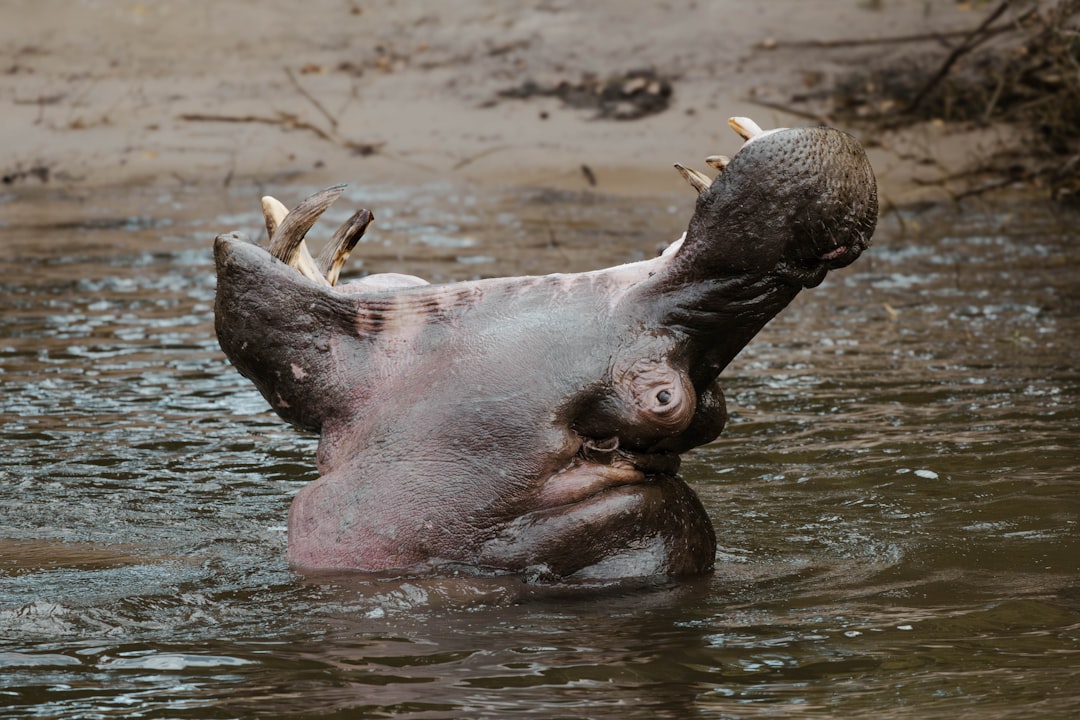
Colombia has authorized the use of euthanasia to control the invasive hippopotamus population descended from animals imported by drug lord Pablo Escobar in the 1980s, ending years of debate over how to manage what has become a significant ecological threat to the Magdalena River ecosystem.
The decision, announced by the Colombian Ministry of Environment on Sunday, comes after the hippo population exploded from the original four animals to an estimated 169 individuals, with projections suggesting the number could exceed 1,000 by 2035 without intervention. Previous attempts at sterilization and relocation proved too expensive and logistically challenging to implement at scale.
"This is not a decision we take lightly," Environment Minister Susana Muhamad said in a statement. "But the ecological damage caused by this invasive species has reached a critical threshold. We have exhausted alternatives that would allow the population to continue growing."
To understand today's headlines, we must look at yesterday's decisions. Escobar imported the hippos to his Hacienda Nápoles estate as part of a private menagerie that also included elephants, giraffes, and exotic birds. After his death in 1993, most animals were relocated to zoos, but the hippos were left to roam due to the expense and danger of moving them.
The animals thrived in Colombia's tropical climate, which lacks natural predators and provides abundant food sources. Hippos are among the most dangerous animals in Africa, responsible for an estimated 500 human deaths annually, and their presence in Colombian waterways has created public safety concerns alongside ecological damage.
Researchers documented significant environmental impacts, including disruption of native fish populations, contamination of waterways with fecal matter, and destruction of riverbank vegetation. The hippos' territorial behavior has also displaced caimans and other native species from their habitats.
The euthanasia program will be carried out by trained veterinarians using sedation followed by lethal injection, according to protocol documents reviewed by El País. The government estimates the initial phase will target approximately 40 animals, with ongoing population monitoring to determine future actions.
Animal rights organizations condemned the decision. Animal Defenders International argued that sterilization programs, while expensive, represent a more humane long-term solution. "These animals are not at fault for being brought to Colombia," said spokesperson Jan Creamer. "They deserve better than execution for human errors."
Local communities expressed mixed reactions. Some residents have embraced the hippos as tourist attractions, with the town of Puerto Triunfo featuring the animals prominently in local commerce. Others cited safety concerns, noting close encounters between hippos and fishermen along the Magdalena.
Scientists supported the intervention as ecologically necessary but emphasized the importance of preventing similar situations. "This is a cautionary tale about the consequences of introducing non-native species," said David Echeverri, a biologist with Cornare, the regional environmental authority. "Escobar's legacy continues to damage Colombia in unexpected ways, decades after his death."
The government pledged to develop educational programs highlighting the case as an example of ecological mismanagement and the importance of biodiversity protection.