
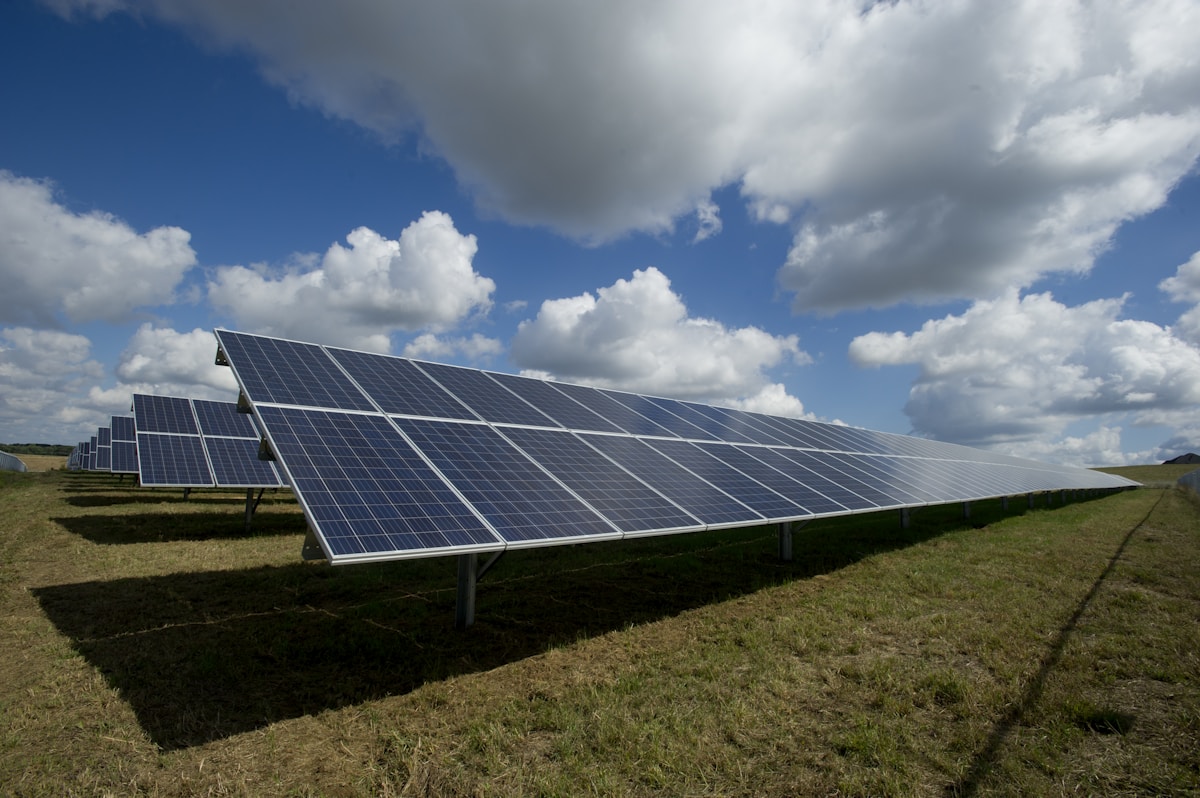
China's solar power capacity will exceed its coal capacity for the first time this year, marking a historic turning point in the world's largest energy market and top carbon emitter, according to analysis from Yale Environment 360.
By the end of 2026, wind and solar will comprise nearly half of China's total power capacity, with clean energy sources—including hydro and nuclear—reaching approximately two-thirds of the nation's energy infrastructure. Coal, long dominant in China's energy mix, will drop to one-third of capacity.
The milestone represents both remarkable progress and revealing complexity in climate transition. While capacity measures maximum potential output, it does not reflect actual generation. Coal plants operate closer to their maximum capacity than intermittent renewables, meaning coal currently still generates about half of China's actual electricity despite trailing in capacity numbers.
Lauri Myllyvirta from the Centre for Research on Energy and Clean Air emphasized the tension ahead: "You have to either put brakes on coal power plant construction...or slow down clean energy expansion."
The Chinese market is transitioning from parallel development of fossil and renewable capacity to active displacement. Many coal plants now operate at losses, unable to compete against inexpensive solar and wind. Under new government guidelines, coal will increasingly serve as "peaker" plants—filling demand spikes when renewable supply drops rather than providing baseload power.
The shift carries enormous implications for global climate trajectory. China accounts for approximately 30% of global carbon emissions, making its energy transition central to meeting Paris Agreement targets. The country has installed more solar capacity in recent years than the rest of the world combined, driving down costs globally through economies of scale.
Yet a paradox emerged last year: facing anticipated restrictions on coal use, developers submitted in a counterintuitive rush before policy limitations take effect. The phenomenon illustrates the complex political economy of energy transition—even as renewables become economically superior, incumbent industries and regional governments dependent on coal revenues resist change.