
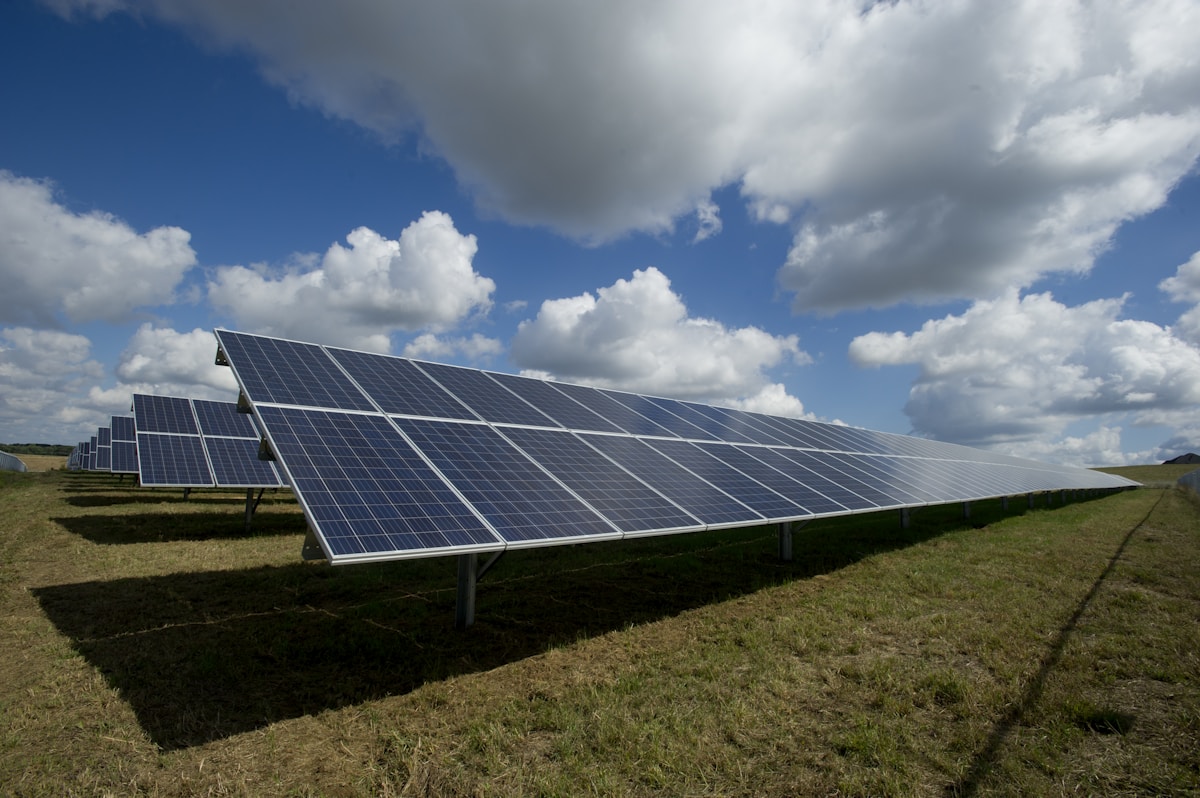
The global energy landscape is undergoing its most dramatic transformation since the Industrial Revolution, as China's solar manufacturing capacity reaches a milestone that signals the beginning of the end for fossil fuel dominance.
While the world's total installed electrical capacity stands at roughly 10 terawatts, China's solar industry alone can now produce 1 terawatt of panels annually—enough to power hundreds of millions of homes. More significantly, China's total solar capacity is on track to surpass its coal-fired generation capacity this year, according to Bloomberg, marking a geopolitical energy shift of historic proportions.
This isn't environmental altruism—it's ruthless economics. Thanks to massive economies of scale, solar and battery storage have become the cheapest sources of energy in human history, and costs continue to plummet. By the early 2030s, analysts project renewables will be vastly cheaper than fossil fuel alternatives, rendering oil and coal economically obsolete in most applications.
"The electrification of the economy that this is driving in China is on the scale of the 19th century Industrial Revolution in Europe," writes energy analyst Tomas Pueyo in his Uncharted Territories analysis. "What today is China, will tomorrow be the world."
The implications extend far beyond climate policy. For more than a century, global power has been concentrated in petrostates—nations controlling oil and gas reserves. The renewable transition fundamentally redistributes energy power from resource-rich nations to manufacturing powerhouses. , , and the face structural obsolescence, while , the , and nations investing in manufacturing capacity position themselves as the energy superpowers of the 21st century.