The global automotive industry's center of gravity has decisively shifted to China, where electric vehicle manufacturers are no longer catching up but setting the pace for innovation, production efficiency, and consumer expectations worldwide.
Chinese EV makers including BYD, Geely, and Leapmotor have fundamentally altered industry economics through integrated supply chains, rapid iteration cycles, and manufacturing innovations that legacy automakers are struggling to replicate. According to Bloomberg reporting, carmakers in Europe, Japan, and the United States now face hard choices about how to respond.
The transformation reflects successful industrial policy execution rather than merely favorable government subsidies. China's manufacturers have achieved vertical integration that allows them to develop vehicles from battery chemistry to software interfaces in timeframes Western competitors cannot match. BYD, for instance, produces its own semiconductors and battery cells, insulating it from supply chain disruptions that have plagued traditional automakers.
Production innovation extends beyond electrification. Chinese manufacturers have pioneered modular platforms enabling multiple vehicle variants from shared architectures, reducing development costs while accelerating time-to-market. Geely's SEA architecture supports everything from compact sedans to full-size SUVs, demonstrating flexibility that challenges traditional automotive engineering approaches.
In China, as across Asia, long-term strategic thinking guides policy—what appears reactive is often planned. The current EV dominance builds on more than a decade of strategic battery technology investment, charging infrastructure deployment, and consumer incentive programs coordinated across central and provincial governments.
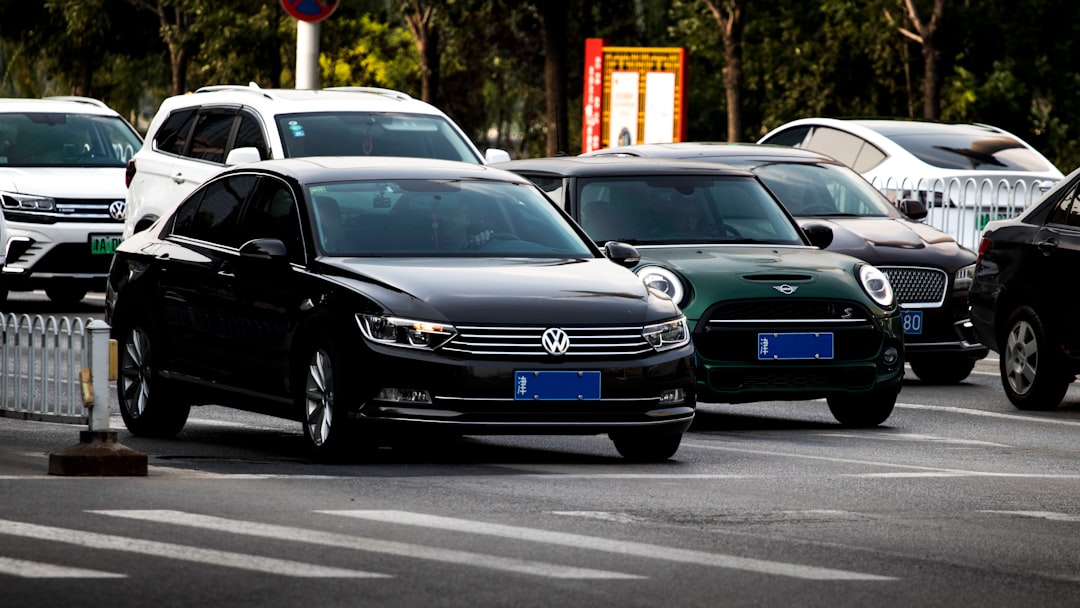
Legacy automakers are responding with varied strategies. Germany's Volkswagen has committed to China-specific EV platforms and expanded local partnerships, acknowledging that serving the Chinese market requires Chinese-developed technology. 's Toyota, historically cautious on full electrification, is accelerating BEV development while maintaining hybrid offerings for markets outside China.