
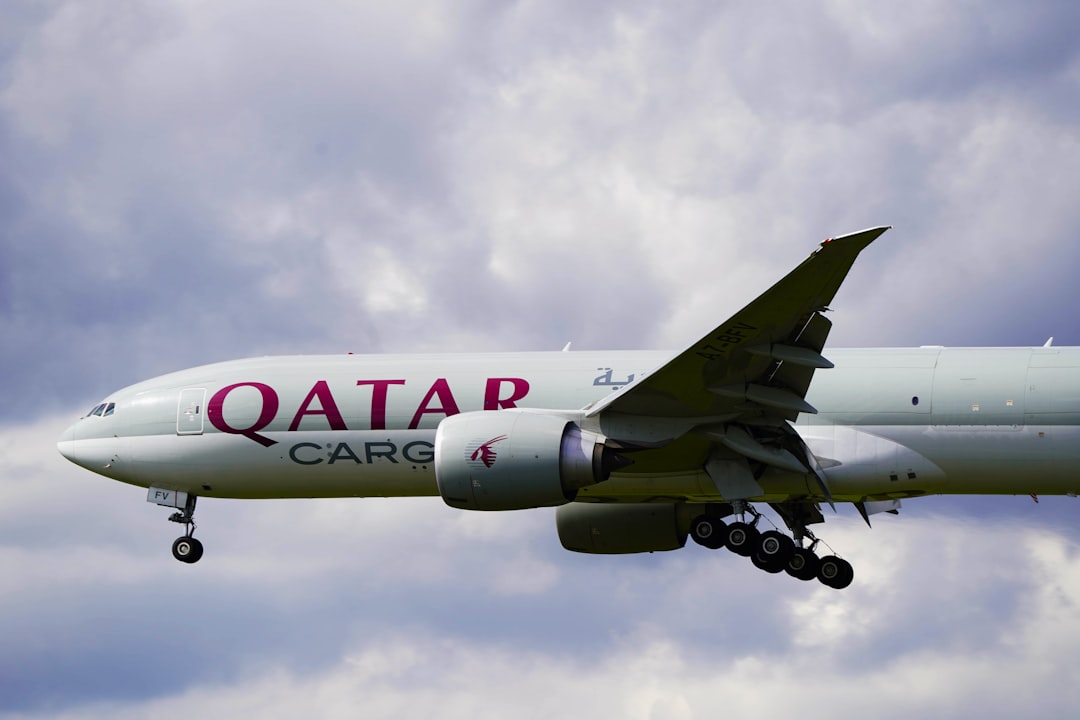
Qatar's northern airspace has resumed normal operations after days of restricted commercial aviation, signaling a potential de-escalation in regional tensions that had disrupted one of the world's busiest aviation corridors.
Residents in northern Qatar, who typically hear frequent aircraft approaching Hamad International Airport, reported the return of regular flight patterns over the weekend. The resumption follows a tense period during which airlines rerouted flights to avoid the area amid heightened Middle East security concerns.
"I live up north, where it's usually quite normal to hear passenger planes flying overhead at short intervals as they come in to land at HIA, and that stopped when the tensions began," one resident wrote on social media. "Today, though, I've heard quite a few planes passing by again, flying lower than they used to, and it's given me a quiet sense of hope."
The return to normal flight operations is a tangible indicator of improved regional security conditions. Qatar, positioned at the center of the Gulf's aviation network, serves as a critical hub connecting Europe, Asia, and Africa through Qatar Airways, one of the region's largest carriers.
In Qatar, as among small but wealthy states, strategic positioning and soft power create influence beyond military might. The emirate's role as a neutral mediator and its maintenance of dialogue channels across regional divides have historically positioned it as a stabilizing force during periods of tension.
Aviation experts note that the restoration of normal flight paths over Qatar suggests broader confidence in regional airspace security. During recent tensions, multiple international carriers adjusted routes to avoid potential conflict zones, adding flight times and fuel costs to operations across the .