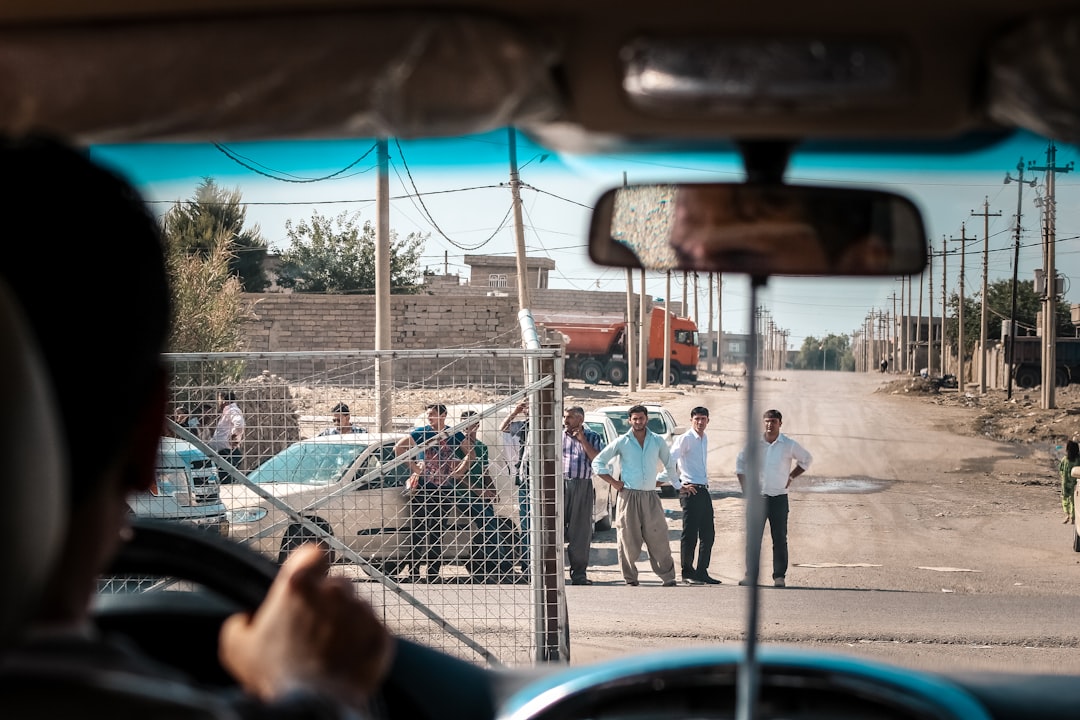
Qatar's longstanding "bachelor ban" policies faced renewed scrutiny during recent public holidays, as migrant workers reported intensified enforcement of restrictions that exclude single men from shopping malls and public spaces—enforcement that appears to vary based on race and ethnicity.
A social media post from a South Asian worker during the Eid holidays highlighted the ongoing controversy: "Once I tried to enter a security guy came to me and said families only, no bachelors allowed. I decided to go to a mall, no bachelors allowed whereas other bachelors with fairer skins were allowed to enter."
The account, reflecting experiences shared by numerous migrant workers in the emirate, underscores concerns about discriminatory enforcement of policies ostensibly designed to preserve "family-friendly" environments during peak times. The practice of selectively barring entry based on appearance and perceived nationality has long been criticized by labor rights advocates.
In Qatar, as among small but wealthy states, strategic positioning and soft power create influence beyond military might—yet the emirate's international image continues to grapple with questions about labor rights and social equality that gained global prominence during the 2022 FIFA World Cup.
The "bachelor ban" typically restricts single men from entering shopping malls, certain public beaches, and recreational areas, particularly on weekends and holidays. While officials have described these measures as crowd management and cultural preservation, enforcement patterns suggest deeper issues of racial and class-based discrimination.
Qatar's migrant workforce comprises approximately 90% of the population, with workers from South Asia, Southeast Asia, and Africa forming the backbone of the nation's construction, service, and hospitality sectors. The differential treatment of workers based on nationality and appearance has been documented by human rights organizations for years.