The Taklamakan Desert in northwest China, long considered a "biological void" inhospitable to complex life, is undergoing an extraordinary transformation that has implications for both climate mitigation and questions about ecological intervention at scale.
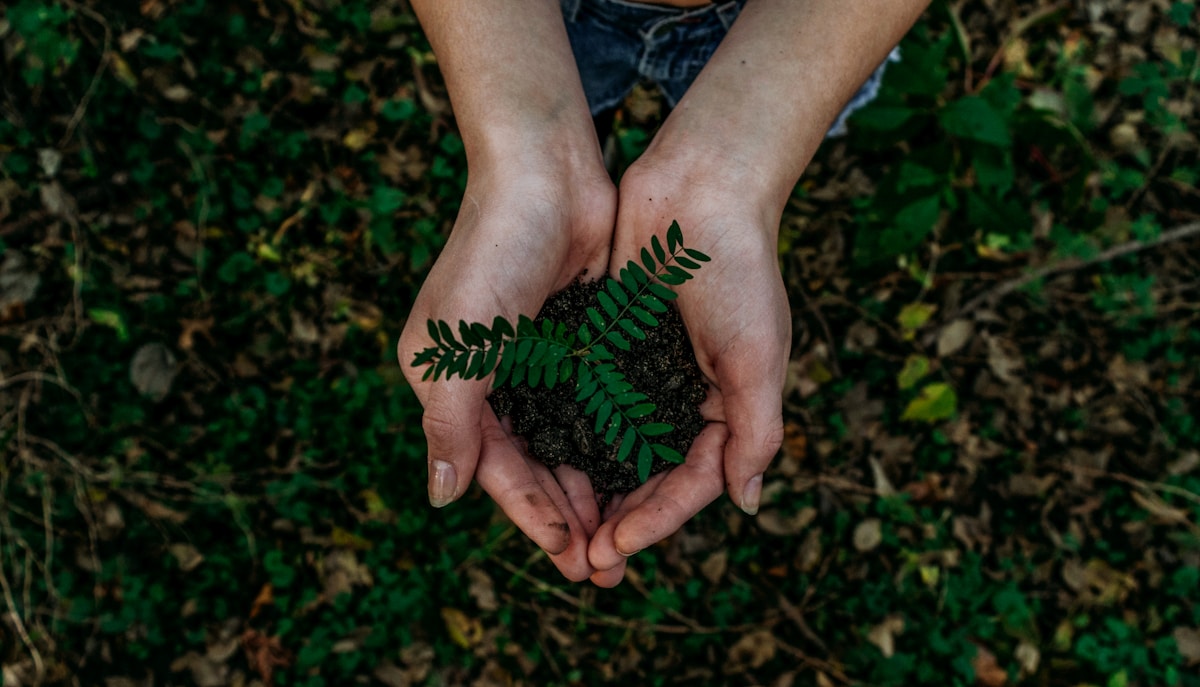
China has planted so many trees around the perimeter of the vast desert that the region has transitioned from carbon source to carbon sink, according to research published in Geophysical Research Letters. The decades-long afforestation campaign represents one of the world's largest ecological engineering projects—and one of its most controversial.
Satellite data analyzed by Dr. Yaning Chen and colleagues at the Chinese Academy of Sciences shows that vegetation coverage around the Taklamakan has increased substantially since the 1990s, with planted forests now absorbing more carbon annually than the desert's sparse vegetation and soils emit.
"This is climate action at scale," said Wang Tao, researcher at the Cold and Arid Regions Environmental and Engineering Research Institute. "The carbon sequestration is measurable and significant."
The Taklamakan, covering approximately 337,000 square kilometers in Xinjiang province, ranks among Earth's most forbidding environments. Summer temperatures exceed 40°C, annual rainfall averages less than 40mm, and shifting sand dunes can reach 200 meters in height. Traditional agricultural settlements clustered around oasis cities on the desert's periphery, while the interior remained essentially uninhabited.
China's Three-North Shelter Forest Program, launched in 1978 and scheduled to continue until 2050, aims to create a 4,500-kilometer "Great Green Wall" of forests stretching from Xinjiang to Heilongjiang. The program specifically targets desertification control, though carbon sequestration has emerged as a significant co-benefit.