
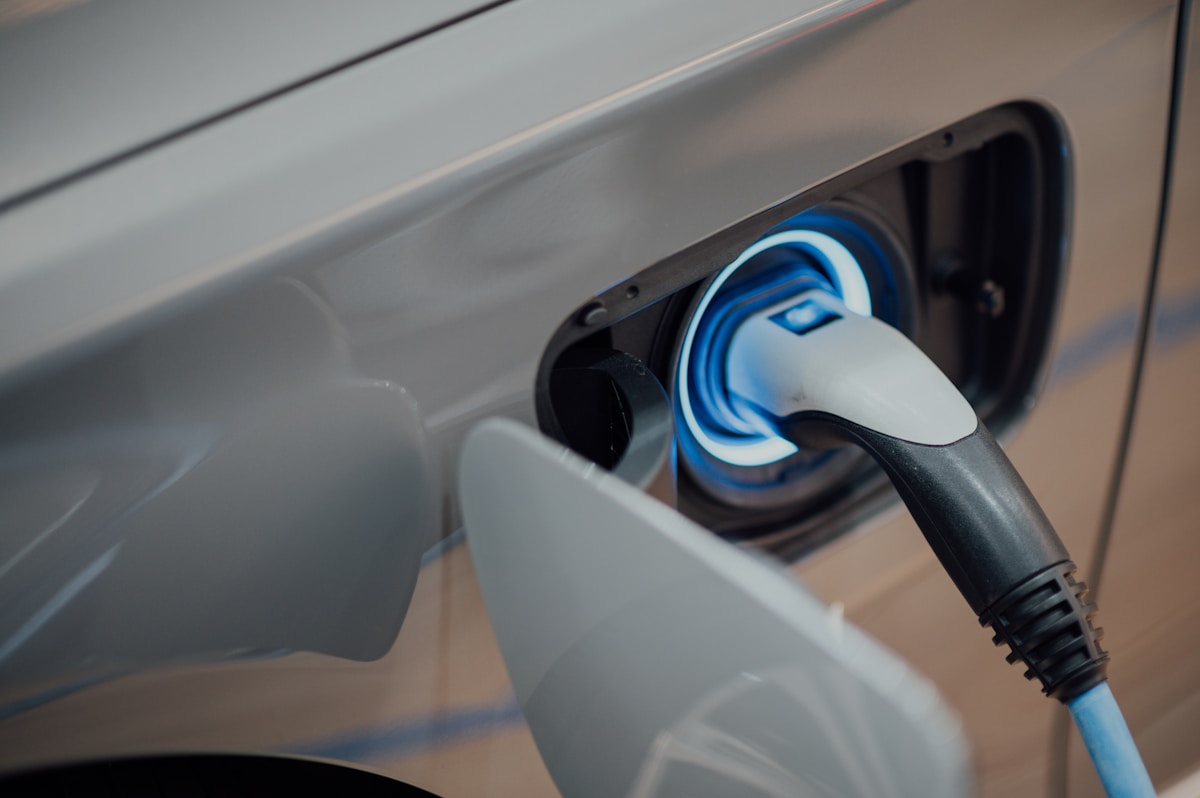
CATL, the world's largest battery manufacturer, unveiled a new electric vehicle battery capable of full charging in approximately 12 minutes—comparable to a conventional gas station fill-up—with a lifespan exceeding 1.5 million miles, according to Interesting Engineering.
The breakthrough 5C fast-charging technology addresses two of the primary barriers to mass EV adoption: charging anxiety and battery longevity concerns. An 80-kilowatt-hour battery pack using the technology accepts roughly 400 kilowatts of power, enabling the rapid charging capability that brings electric vehicles closer to the convenience expectations of fossil-fueled transportation.
The durability specifications prove equally impressive. Under standard conditions at 68°F, the battery retained at least 80% capacity after 3,000 complete charge cycles—translating to approximately 1.5 million miles, roughly six times better than current industry averages under similar testing conditions.
Even under extreme heat stress at 140°F, the battery maintained 80% capacity after 1,400 cycles, corresponding to about half a million miles. The performance significantly exceeds most current EV batteries under comparable thermal conditions, addressing concerns about battery degradation in hot climates that have plagued early EV adopters in regions like the American Southwest and Middle East.
The technical innovations span multiple material layers. CATL developed a cathode coating that reduces breakdown and metal ion loss during rapid charging, an electrolyte additive that detects and seals microscopic cracks before damage spreads, and a temperature-responsive separator that reduces ion movement during heat buildup. Integrated thermal management monitors the entire pack and directs coolant to hotter areas—critical for maintaining performance during ultra-fast charging.
CATL plans to target heavy-duty users first—trucks, taxis, and ride-hailing fleets that benefit most from rapid turnaround times and extended replacement intervals. Passenger car deployment will follow after production scaling, though the company has not announced specific launch dates. Industry analysts expect commercial fleet rollout within 18-24 months, with consumer vehicles following by 2028.