Romania's Court of Appeal issued a ruling on Thursday lifting judicial control measures against Călin Georgescu, the far-right politician whose surprise electoral success in late 2024 triggered an unprecedented annulment of the presidential vote. The decision removes travel and reporting restrictions that had constrained Georgescu for more than a year, though he remains under indictment in two separate criminal cases.
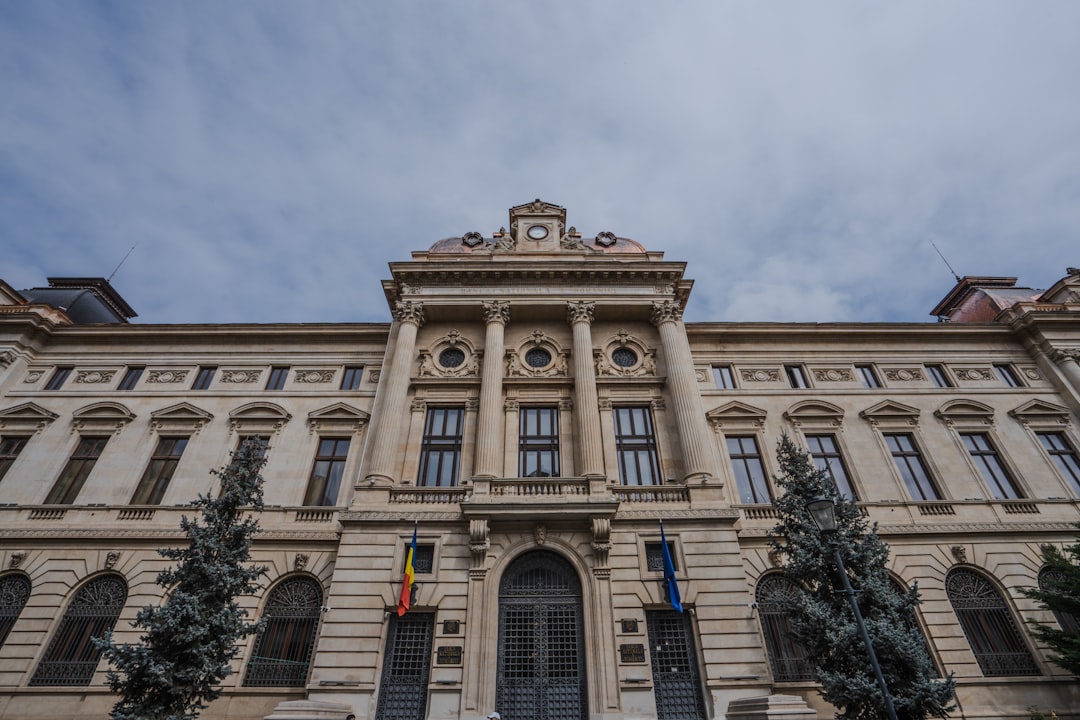
The Bucharest court's decision 488/2026, issued April 3, found the original control measure to have been legally imposed but determined that circumstances now warranted its revocation. Georgescu had been placed under judicial control in July 2025 following indictment by Romania's General Prosecutor on charges of promoting legionary ideology and fascist doctrine—accusations stemming from statements prosecutors allege constituted "eulogy toward Corneliu Zelea Codreanu and Ion Antonescu" made between 2020 and 2025.
The removal of judicial control is a significant development in Romania's ongoing political crisis, which began when Georgescu—a political unknown running on a nationalist, anti-EU platform—advanced to the second round of presidential elections in November 2024. Romania's Constitutional Court subsequently annulled the entire electoral process in December 2024, citing evidence of Russian interference through coordinated TikTok campaigns that allegedly boosted Georgescu's candidacy. The decision marked the first time a European Union member state had cancelled a national election after voting had concluded.
For Romania, a country that joined the EU in 2007 but has faced persistent concerns about rule of law and judicial independence, the Georgescu affair represents a collision between democratic procedures and security imperatives. The decision to annul the vote drew criticism from some quarters as antidemocratic, while others viewed it as necessary to counter foreign interference. Rescheduled presidential elections, originally postponed indefinitely, have yet to be assigned a new date by Romanian authorities.
Georgescu remains indicted in two ongoing prosecutions. Beyond the legionary propaganda charges, he faces a second indictment for alleged complicity in a coup attempt alongside Horațiu Potra, a mercenary with ties to Romania's far-right movement. Romanian prosecutors have alleged that Georgescu's campaign was part of a broader plot involving paramilitary networks, though Georgescu has denied all accusations and characterized the prosecutions as political persecution.