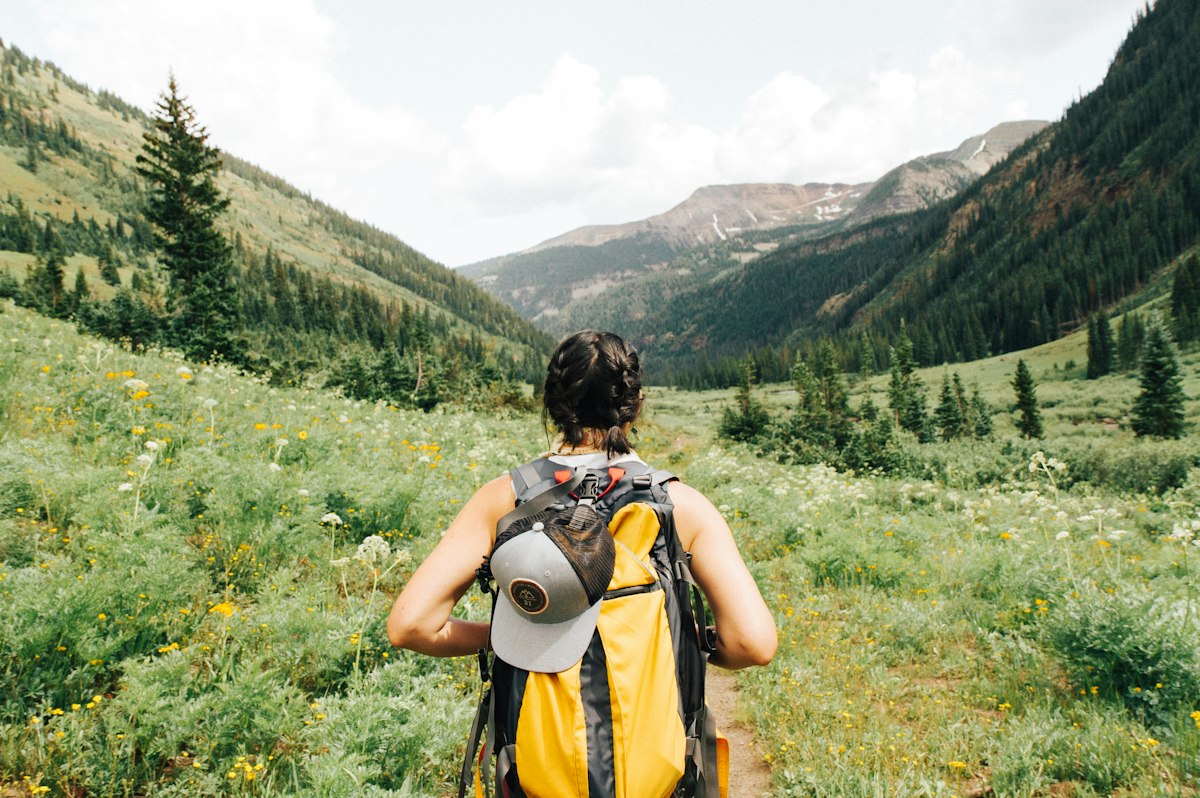
There is a phenomenon experienced travelers increasingly seek and rarely find cleanly: the proximity paradox - genuinely remote, culturally authentic experiences accessible from a major international hub. Cajón del Maipo, a mountain canyon 90 minutes by road from Santiago de Chile, a city of seven million people, may be one of the most compelling examples in South America.A thread on r/digitalnomad raises a question that goes beyond the specific destination: how do you distinguish genuine cultural immersion from tourist theater in an era when "authentic local experience" has become marketing language? The specific case is arrieros - the traditional horsemen of the Chilean Andes - who are offering multi-day backcountry rides through the canyon country they have worked for generations.The description that circulates in traveler reports: you ride through backcountry with arrieros who have worked these mountains all their lives, camp where they camp, eat food cooked over fire, and experience something closer to their working routine than a guided tour of it. No luxury lodges, no WiFi, no hospitality infrastructure. Just mountains, horses, and people who actually belong to the landscape.The authenticity question the thread asks - what makes an experience feel real versus performative - has practical answers from travelers who have done comparable multi-day horseback trips in Patagonia, Mongolia, and the Argentine pampas. The red flags are consistent: fixed departure times that accommodate tourist schedules rather than actual work rhythms; guides who explain culture rather than embody it; infrastructure designed for comfort rather than function; pricing structures that suggest the "local" experience has been optimized for maximum yield.The positive indicators are equally consistent: operators who are hesitant to commit to fixed itineraries because weather and animal conditions dictate pace; riders who are clearly working people augmenting income rather than tourism professionals; food that is actually what locals eat; moments of genuine unscripted interaction that cannot be planned into a tour package.The Cajón del Maipo arriero operations that receive positive traveler reports share these characteristics. The canyon itself - volcanic peaks, glacial rivers, high-altitude meadows - provides a backdrop that makes the 90-minute transfer from feel like a portal rather than a commute. For experienced travelers based in the city, it is one of the more compelling weekend-to-week options in the region.Comparable proximity paradox opportunities exist elsewhere: the gaucho culture of province in ; community-based trekking in the outside ; arriero culture in 's coffee region around . In each case, the test is the same:
|