Chinese EV giant BYD just announced the second generation of its Blade Battery, and if the specs hold up in real-world conditions, this changes the conversation about electric vehicles.
The new battery can charge from 10% to 97% in nine minutes. Not in a lab. Not under ideal conditions with experimental chargers. Nine minutes on production vehicles that will ship to actual customers.
Battery technology is where EVs actually succeed or fail. You can have the most beautiful exterior design, the best software, the most compelling brand story - none of it matters if people are stuck at charging stations for an hour. Range anxiety isn't really about range anymore. It's about time.
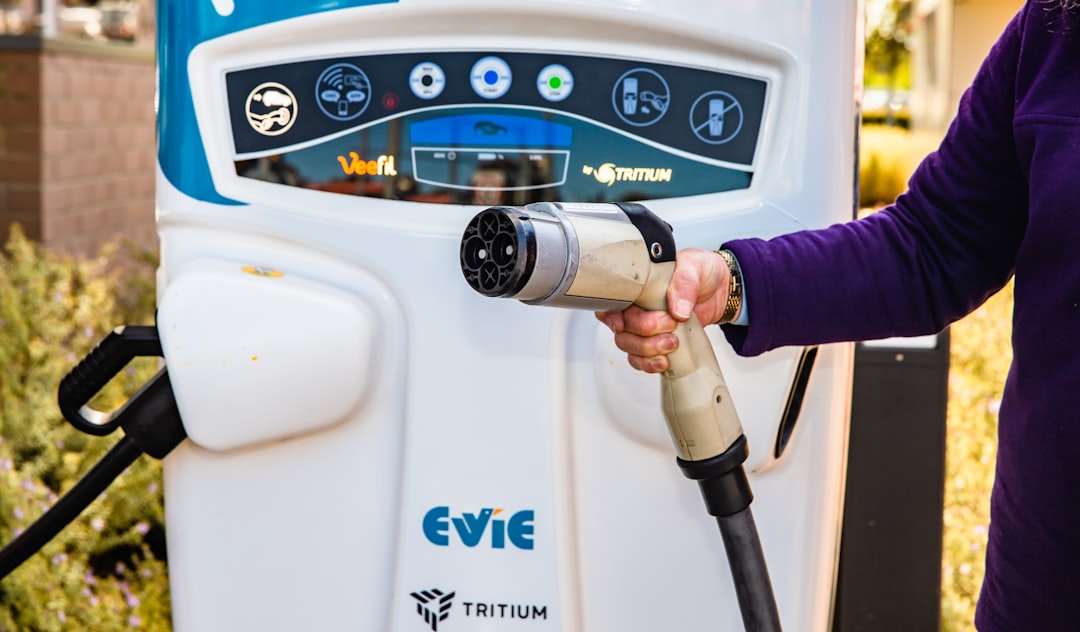
A nine-minute charge eliminates the main practical objection to electric vehicles. That's faster than most people spend at a gas station when you factor in parking, pumping, paying, and getting back on the highway. It's fast enough that you don't need to plan your day around charging.
Now, the caveats: This requires high-power charging infrastructure that doesn't exist everywhere yet. Real-world conditions - temperature, battery age, starting charge level - will affect these numbers. And BYD hasn't released full technical details about energy density, cycle life, or cost.
But here's what matters: BYD is the world's largest EV manufacturer. They're not a startup making promises about future products. They ship millions of vehicles. When they announce a battery spec, they're talking about something that will actually reach consumers, not a lab prototype that never makes it to production.
The technology industry is full of companies that announce breakthrough battery technology that mysteriously disappears six months later. BYD has a track record of actually building and shipping at scale. That's the difference between a press release and a product.
If these specs hold up, every other automaker just got a deadline. Either match this, or explain to customers why they should wait 40 minutes for what BYD does in nine.