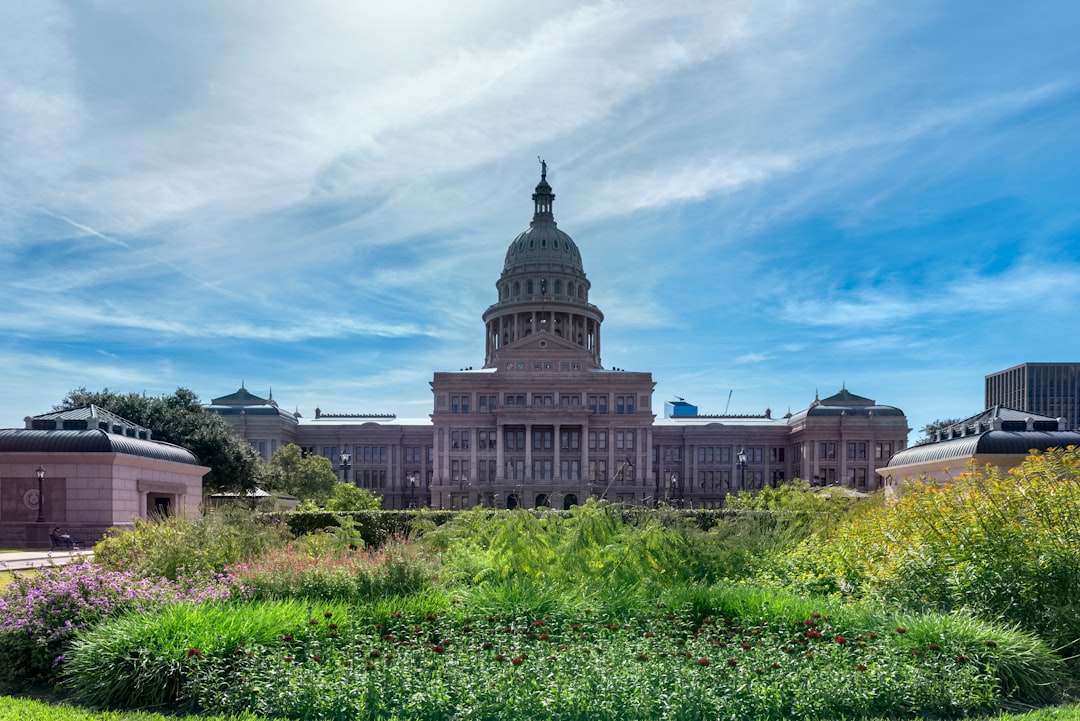
Here's something you don't see every day: Republicans defending state authority against federal preemption.
GOP state lawmakers are urging the White House to halt efforts to block state-level AI laws. The fight reveals a growing tension over who gets to regulate artificial intelligence - and shows how scrambled the politics of tech regulation have become.
Traditionally, Republicans favor federal preemption of state laws, arguing that a patchwork of different state regulations makes it hard for businesses to operate. Democrats typically defend state authority to exceed federal minimums. On AI regulation, those positions have flipped.
State legislators see AI affecting everything from employment to education to law enforcement in their jurisdictions. They want the ability to regulate how these systems are used locally, especially when federal regulation is moving slowly or not at all.
The White House argues that AI needs consistent national standards. That innovation requires regulatory certainty. That fifty different state laws will fragment the market and put American companies at a disadvantage against Chinese competitors who benefit from unified national policy.
Both sides have a point. AI systems deployed in California affect people in Wyoming through their influence on hiring algorithms, content moderation, and product recommendations. A purely federal approach makes sense for technologies that don't respect state boundaries.
But AI also gets deployed in contexts where states have traditional authority: police departments, schools, healthcare, employment. State legislators have legitimate concerns about local applications of AI that Washington isn't addressing.
The real question is whether AI regulation follows the pattern of privacy law - where Europe led, California followed, and eventually the U.S. ended up with de facto regulation through a combination of state laws and corporate compliance. Or whether this becomes a battle over federal preemption that delays regulation for years while the technology spreads.
The technology is impressive. The question is whether the political system can figure out governance before the problems get worse.