
Auditory hallucinations in borderline personality disorder aren't just psychological symptoms—they have measurable physical signatures in the brain. That's the finding from new research using high-resolution MRI to map structural differences in patients who hear voices.
The study, published in psychiatric research journals, scanned 76 female participants: 20 with BPD experiencing hallucinations, 26 with BPD without hallucinations, and 30 healthy controls.
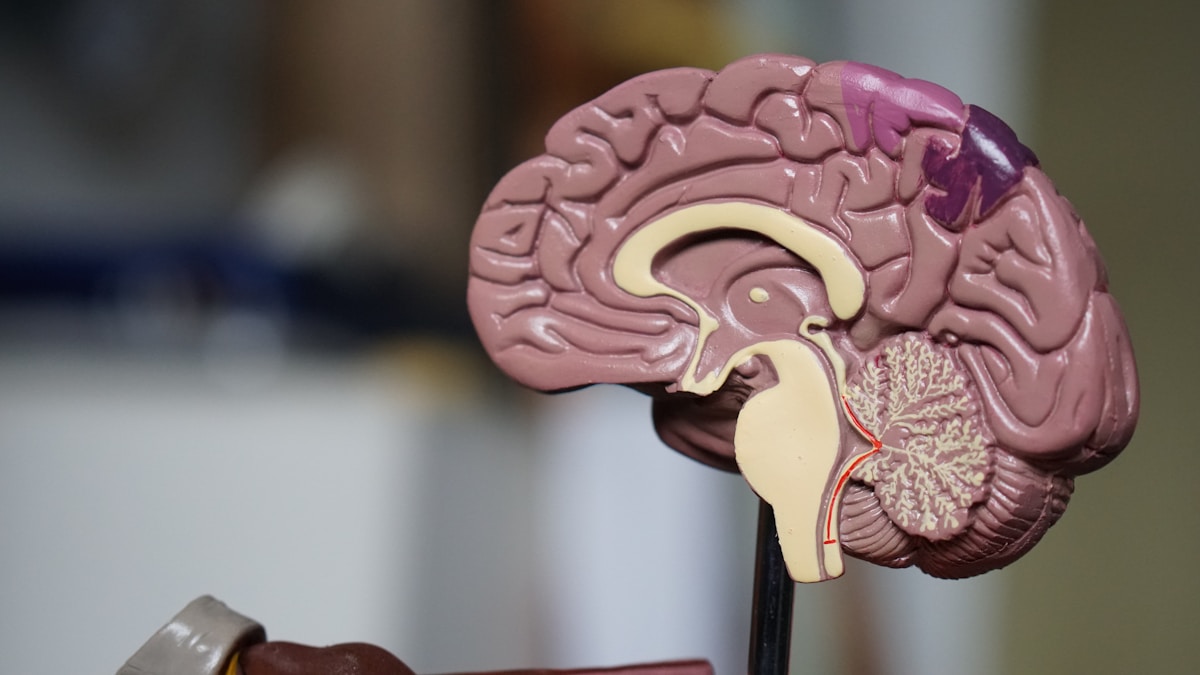
What they found was a distributed network of structural changes across multiple brain regions, not a single "hallucination center." Patients with hallucinations showed reduced gray matter volume in the occipital regions at the back of the brain, the inferior frontal gyrus involved in language processing, and parts of the temporal lobe.
Additional reductions appeared in frontal and parietal areas, the cingulate cortex associated with emotional regulation, and even the cerebellum, which most people associate with movement but also plays cognitive roles.
Here's what makes this interesting from a neuroscience perspective: these aren't the same patterns typically seen in schizophrenia, where hallucinations have been studied more extensively. BPD hallucinations appear to involve sensory integration processes beyond just auditory areas, suggesting the brain is constructing these experiences through complex interactions between language, emotion, and perception.
Researcher Robert Christian Wolf noted these patterns "could help inform and refine treatment strategies" including transcranial magnetic stimulation, which uses magnetic fields to modulate brain activity in targeted regions.
Now, the important caveats: these findings describe group-level patterns, not diagnostic tools for individuals. You can't diagnose BPD from a brain scan. The research advances neurobiological understanding, which eventually feeds into better interventions, but we're not at the point where imaging replaces clinical assessment.
Also, the sample was all female and right-handed, which controls for variables but limits generalizability. Replication with diverse populations would strengthen the findings.