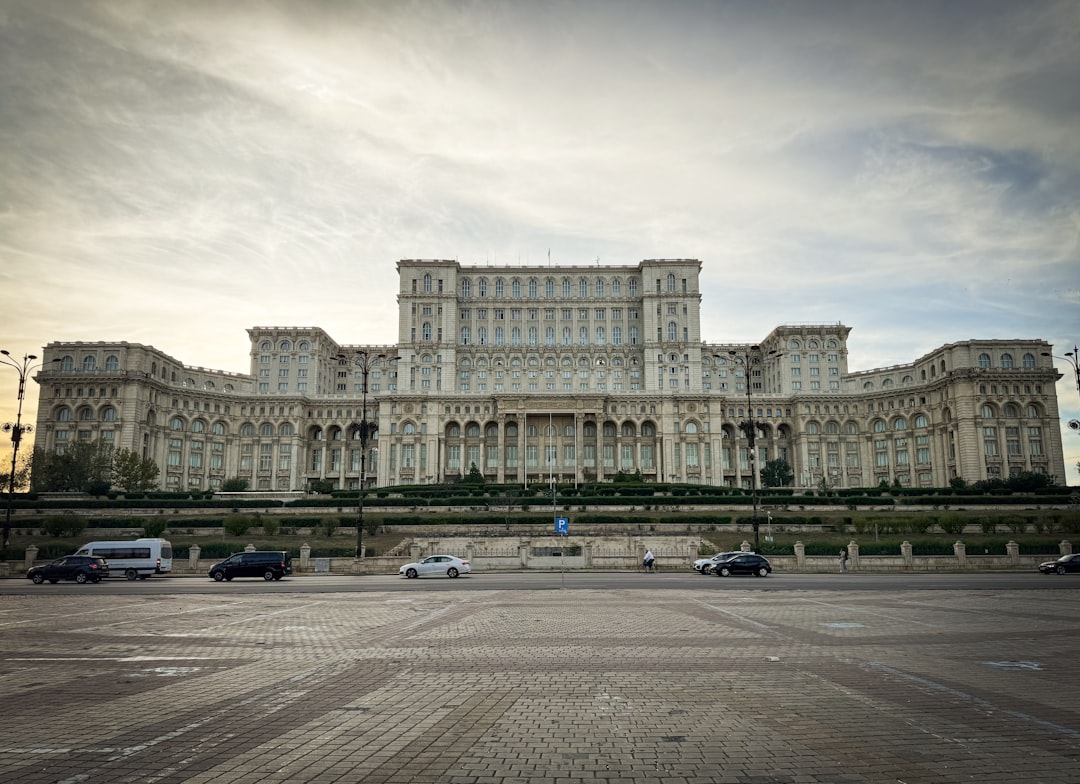
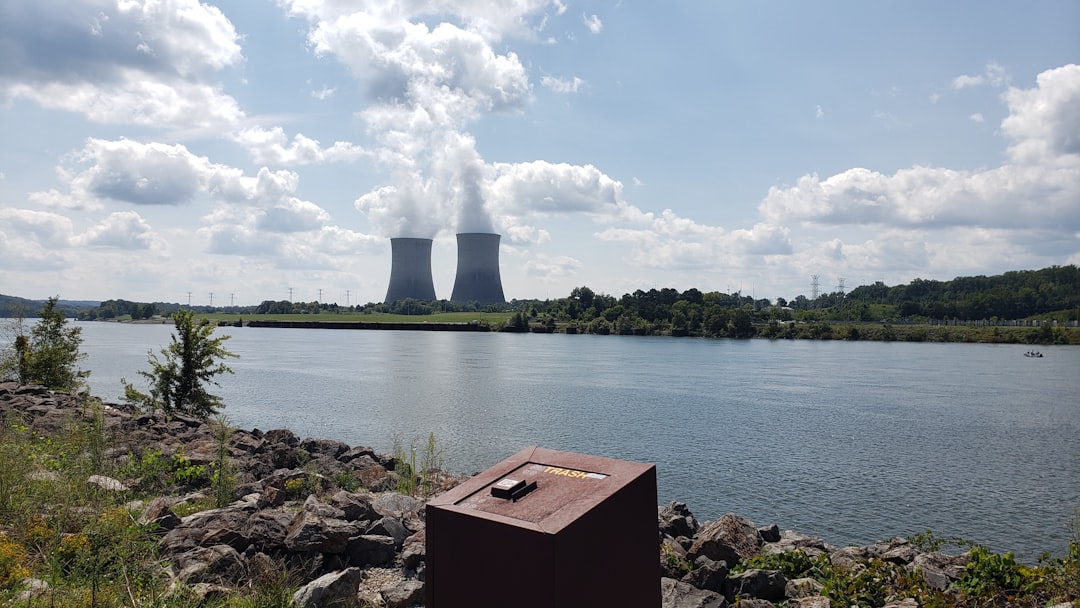
Belgium has reversed decades of anti-nuclear policy in a dramatic energy security pivot, announcing it will buy back all seven of its nuclear reactors from French utility Engie and immediately suspend their planned decommissioning.
The decision, confirmed Wednesday by the Belgian government, marks one of the most significant energy policy U-turns in Europe since Germany shut down its last nuclear plants in 2023 - a choice now widely criticized as Brussels watches its neighbor embrace the technology Berlin abandoned.
Why this matters beyond Belgium: A nation of 11 million just decided that energy security trumps political promises. The reversal comes as European leaders recalculate the costs of depending on imported energy in an unstable world - a reckoning that makes German politicians increasingly uncomfortable as Belgium does what Germany refused to consider.
Belgium had been committed to phasing out nuclear power, with several reactors scheduled for shutdown. The plants - operated by Engie's Belgian subsidiary Electrabel - generate roughly half of Belgium's electricity. Decommissioning crews were already at work when the government issued the suspension order.
The government hasn't disclosed the purchase price or finalized timeline, but officials indicated negotiations with Engie are underway. France's state-backed energy giant has operated Belgian nuclear facilities for decades through its control of Electrabel.
The European energy paradox: While Germany dismantled perfectly functional nuclear plants and burned more coal, France kept 56 reactors running. Belgium tried to follow the German model. Now it's reversing course - and Berlin has no easy answers when asked why it didn't do the same.
Belgium's seven reactors are split between two sites: Doel (four units, 2,800 MW) near Antwerp and Tihange (three units, 2,000 MW) near Liège. The oldest dates to 1975; the newest to 1985.
The policy reversal follows growing concerns about electricity security as confronts volatile gas markets, the costs of rapid renewable deployment, and questions about grid stability. Belgium faced potential blackouts in recent winters as aging nuclear plants ran reduced capacity.