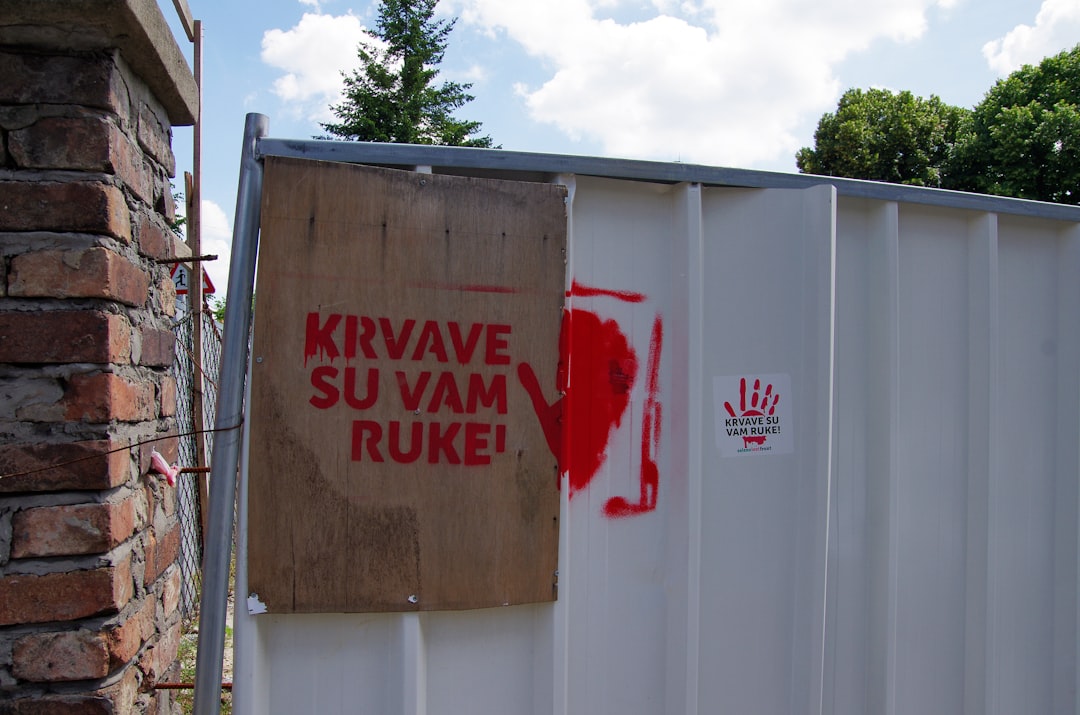
A Serbian pro-democracy activist was kidnapped and brutally beaten by masked assailants in Belgrade on Wednesday evening, marking a violent escalation in the country's ongoing political crisis as student-led protests enter their fifth month.The victim, a member of the Zbor Rakovica activist group, was forcibly dragged into an unlicensed black Škoda Superb by five to six attackers around 8:30 PM in Resnik, a Belgrade suburb. The activists had been distributing stickers when the attack occurred. After driving the victim through the city, the assailants released him near his home with serious injuries requiring emergency medical treatment.Investigators have identified three of the attackers: Bojan Nagradić, owner of a technical inspection service in Resnik; Stefan Stanković; and Elvis Mustafi. Sources suggest the men are connected through Dejan Paunović, a Serbian Progressive Party board member from Rakovica.Nagradić has a documented history of political violence. In November 2025, he attacked a female student at the Faculty of Technical Sciences near a public gathering spot. Police witnesses present at the scene neither intervened nor identified him, raising questions about official complicity in politically motivated attacks.The incident has alarmed Serbian civil society and drawn comparisons to authoritarian regimes in other regions. Aleksandar Baucal, a philosophy professor, characterized the abduction as a serious warning to activists, telling N1 that such incidents "occur in South American states"—a reference to tactics employed by Latin American dictatorships during periods of political repression.Lawyer Rodoljub Šabić drew even more explicit historical parallels, comparing the attackers to the "black shirts of Mussolini or brown shirts of Nazis," suggesting organized paramilitary activity directed against government opponents. "It starts with kidnappings," Šabić warned, "ends with much worse things."The attack comes amid sustained student protests that began in late 2025 following a deadly railway station collapse in Novi Sad that killed 15 people. What began as demands for accountability over the infrastructure disaster has evolved into a broader movement challenging corruption and authoritarian practices within Aleksandar Vučić's government.The student movement has employed creative tactics including daily blockades of government buildings, universities, and streets. Despite government attempts to discredit protesters as foreign agents and opposition troublemakers, the demonstrations have maintained broad public support and remained largely peaceful—until now.In the Balkans, as across post-conflict regions, the path forward requires acknowledging the past without being imprisoned by it. Yet Wednesday's kidnapping suggests Serbia may be moving backward rather than forward, with political violence reminiscent of the region's darkest years resurfacing against citizens exercising their democratic rights.The incident represents the most serious act of political violence since the protests began. Whether authorities will seriously investigate the attack—particularly given the alleged connections between the perpetrators and the ruling party—remains an open question that will test Serbia's commitment to democratic norms as it pursues EU membership.
|