
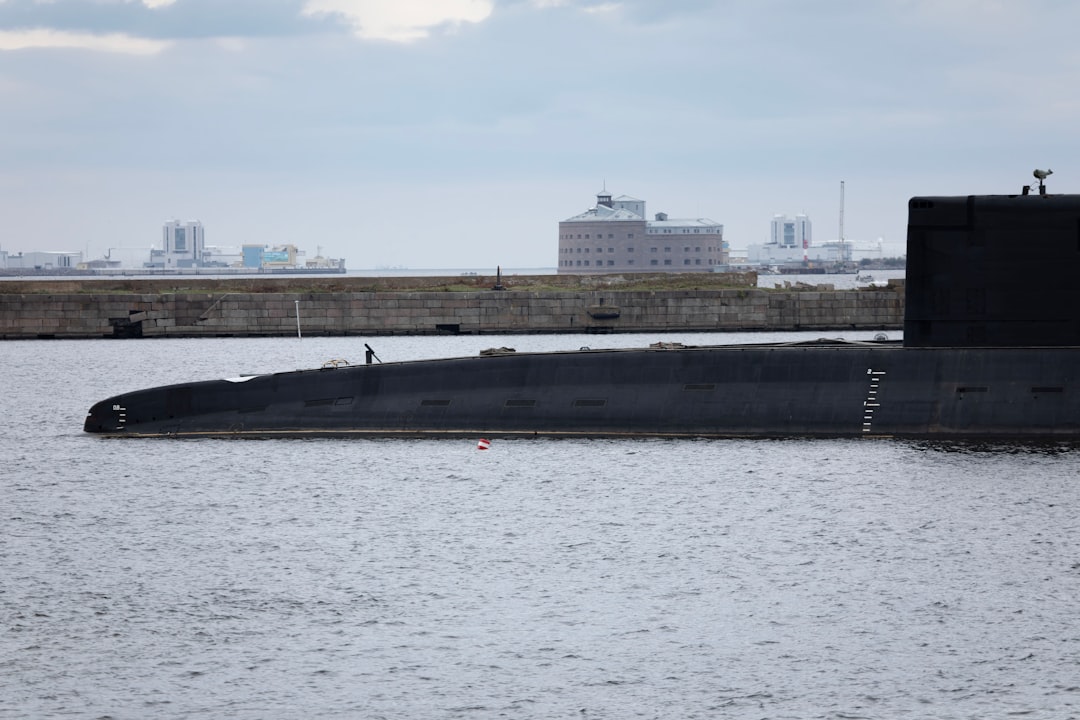
China conducted major naval exercises near a disputed shoal in the South China Sea this week in what regional analysts describe as a deliberate show of force timed to coincide with joint military drills involving the United States and allied forces in the same strategic waterway.
The Chinese People's Liberation Army Navy deployed multiple vessels including destroyers and frigates to waters surrounding the contested feature, which lies within overlapping territorial claims involving China, the Philippines, Vietnam, and other Southeast Asian states. The exercises included live-fire drills, anti-submarine warfare practice, and air defense maneuvers, according to statements from Chinese military officials.
The timing appears intentional. US and allied forces from Japan, Australia, and the Philippines have been conducting parallel exercises in the South China Sea focused on maritime security and freedom of navigation operations in international waters. The overlapping military activities raise the specter of miscalculation in one of the world's most strategically sensitive maritime regions.
In China, as across Asia, long-term strategic thinking guides policy—what appears reactive is often planned. Beijing's naval demonstration follows a familiar pattern of responding to perceived encroachment with calibrated shows of strength designed to assert sovereignty claims while avoiding direct confrontation that might trigger broader conflict.
Chinese Foreign Ministry officials characterized the exercises as "routine training activities" within China's territorial waters, rejecting criticism from regional states and Western governments. "China has indisputable sovereignty over the South China Sea islands and their adjacent waters," a ministry spokesperson stated, using Beijing's standard formulation for its expansive territorial claims based on the "nine-dash line" that encompasses roughly 90 percent of the waterway.
The contested shoal has been a flashpoint in South China Sea tensions for years. China has previously deployed coast guard vessels and maritime militia forces to assert control over the feature, which lies within the exclusive economic zones claimed by multiple states under the UN Convention on the Law of the Sea. A 2016 international tribunal ruling rejected China's sweeping claims as lacking legal basis, but Beijing has refused to recognize the decision.