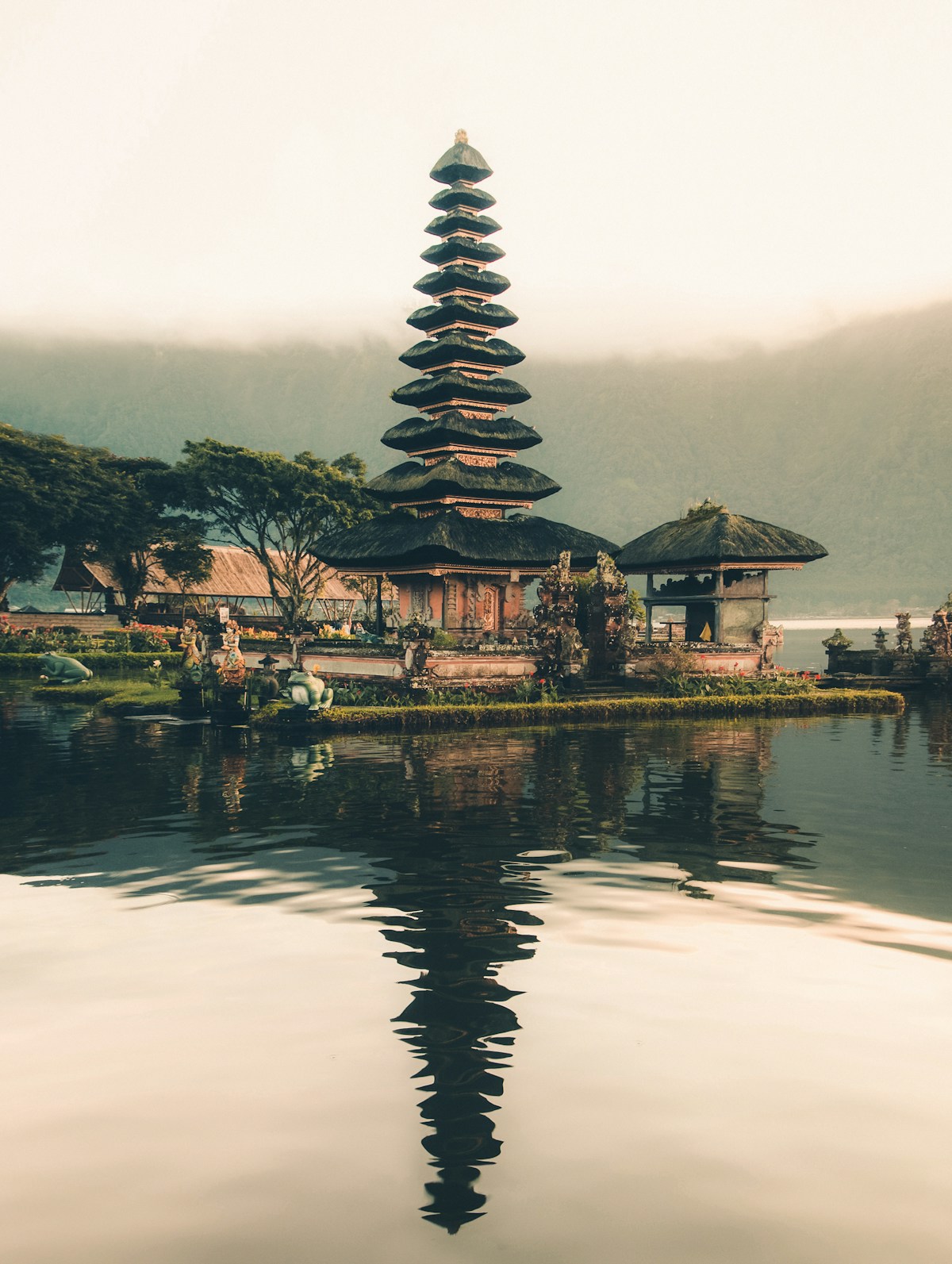
The rice terraces were everything. The walks through the fields, the monkey forest—all of it delivered exactly what travelers hope Bali will be. But by the end of the trip, something felt off.
"The tourist density in certain areas got pretty heavy, and it started to affect the experience in ways that were hard to ignore," a traveler wrote on r/travel after visiting Ubud. "Not a criticism exactly, more just a reality check. I think I went in with a certain image, and the truth is more complicated than that."
This sentiment is becoming increasingly common among travelers to Bali. The island remains objectively beautiful, but overtourism is fundamentally changing the experience—pushing visitors to seek alternatives that offer what Bali used to provide.
What's Happening in Bali
Bali welcomed approximately 5.6 million international tourists in 2024, according to Indonesian tourism ministry data. That's approaching pre-pandemic levels—but with tourism increasingly concentrated in a handful of hotspots.
Ubud, Canggu, Seminyak, and Uluwatu bear the brunt. Streets designed for foot traffic and motorbikes now experience daily gridlock. Rice terraces that once offered peaceful contemplation are now packed with Instagram photographers jostling for the perfect shot. Restaurants and hotels catering to Western tastes have replaced local businesses, driving up prices and pushing out residents.
A 2024 study by the Bali Tourism Board found that 73% of visitors now concentrate in just 15% of the island's area. The environmental and cultural impact has become impossible to ignore—prompting the Indonesian government to consider tourist caps and increased entry fees.
For travelers seeking the "slow your nervous system down" experience that promises, the reality is increasingly jarring.