Baja California Norte has a reputation problem that has almost nothing to do with the place itself.
A documentary filmmaker's account on r/travel from a 2024 journey through the region opens with an honest admission: "I was honestly pretty scared before arriving." That fear is not irrational - Baja California Norte appears regularly in US State Department travel advisories, and international media coverage of border-adjacent violence has created an impression of the entire peninsula as dangerous territory.
What the filmmaker found was something more complicated and, ultimately, more honest than either the fear or the promotional brochure version of Mexico.
"While moving through the region, I kept seeing 'missing people' posters," they wrote. "That gave me chills and added an emotional weight I wasn't expecting." The posters are real. The problems they represent are real. Responsible travel writing about Baja California Norte requires acknowledging this - not flinching past it in pursuit of a tidier narrative.
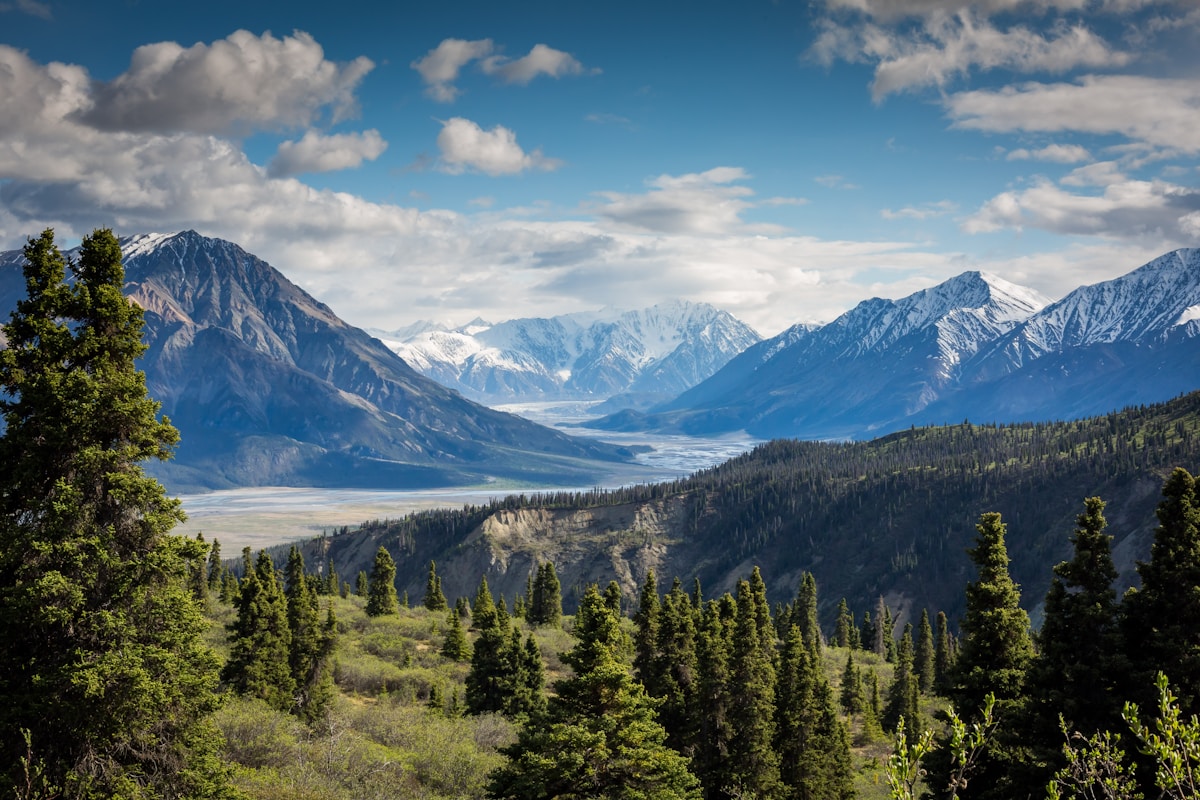
And yet: "I discovered a place that felt surprisingly gentle and beautiful. The landscapes were raw and cinematic and the people I met were incredibly kind."
Both things are true simultaneously, and the tension between them is what makes Baja California Norte one of the most interesting travel propositions in North America. The region's interior - stretching south from Tijuana and Ensenada through Valle de Guadalupe wine country and the dramatic desert landscapes of the Sierra de San Pedro Mártir - is genuinely cinematic in the way that word usually promises and rarely delivers.
The filmmaker continued south toward La Ventana, a twelve-hour desert drive described as "beautiful with incredible sunsets along the way," eventually reaching the Sea of Cortez in time to snorkel alongside the manta ray migration. The rays aggregate in the sea in enormous numbers during specific seasons, moving through the water with the quiet authority of something ancient and enormous. Getting stung by jellyfish en route was, apparently, an acceptable trade.
For travelers considering Baja California Norte, the honest guidance is this: research current conditions specifically - not by region-wide advisories but by corridor and route. Travel communities like r/BajaCalifornia and Baja-specific Facebook groups maintain current, granular information from travelers on the ground. The Transpeninsular Highway (MEX-1) is the primary route and has a long track record of safe travel for prepared, attentive visitors.
The rewards for that preparation - marine wildlife, desert landscapes, wine country, Pacific coastal access, and encounters with one of Mexico's least-toured populations - are exceptional.