Planning a backpacking trip? The budget reality has shifted dramatically, and travelers who haven't updated their expectations since pre-pandemic times are in for serious sticker shock.
A comprehensive analysis of over 15,000 hostels across 50+ countries reveals how much backpacking actually costs in 2026—and the numbers tell a story of significant inflation that's reshaping where and how budget travelers can afford to explore.
The data, shared on r/backpacking, breaks down real costs per day including accommodation, food, and transport across dozens of popular backpacking destinations. The findings confirm what many travelers have been feeling: budget travel isn't as budget as it used to be.
The new cost tiers
According to the analysis, backpacking destinations now fall into clear pricing categories. At the budget end, countries like Vietnam, Nepal, and Bolivia still allow comfortable travel for $30-40 per day. Mid-range destinations including Portugal, Poland, and Mexico now require $50-70 daily. Premium backpacking locations like Switzerland, Norway, and Australia can easily exceed $100 per day even for hostel-staying budget travelers.
These figures represent significant increases from 2019 levels. Thailand, long considered the backpacker's paradise, has seen daily costs rise from around $25 to nearly $45 for comfortable budget travel. Europe has experienced even sharper increases, with Spain and Italy jumping from $40-50 daily to $70-80.
What's driving the increases?
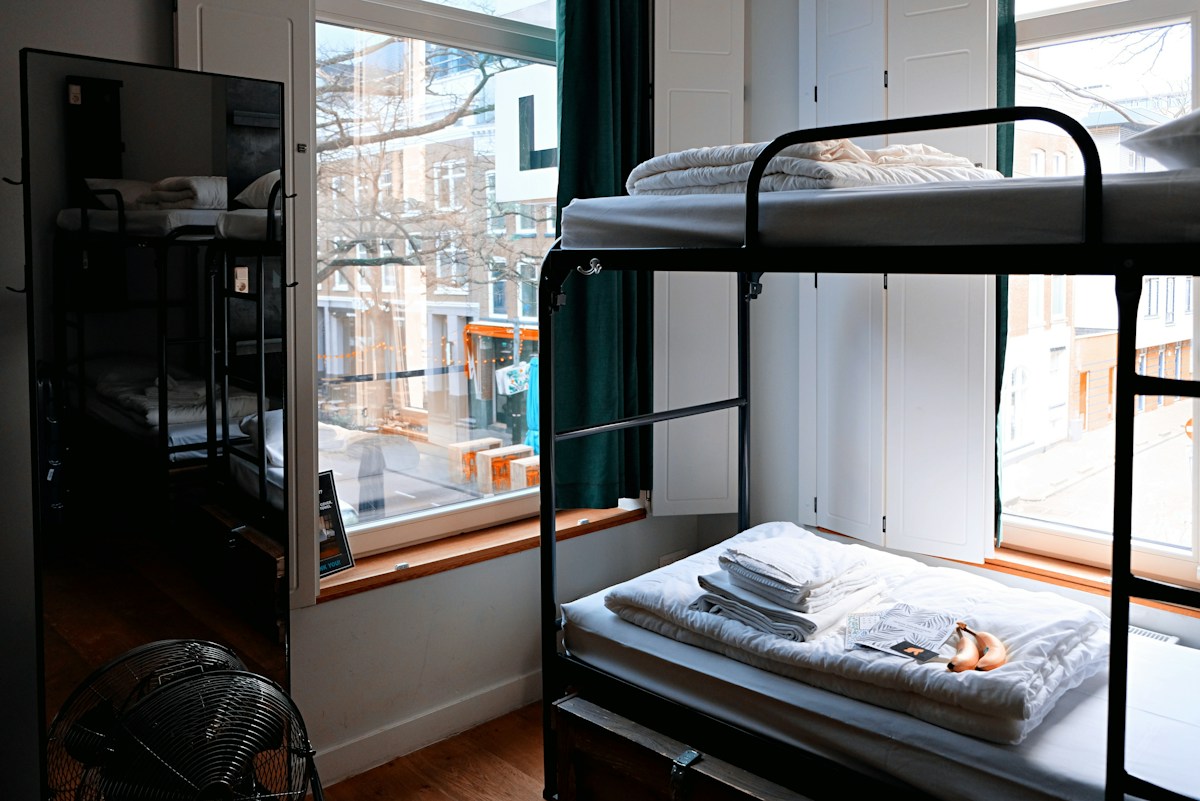
Hostel bed prices are a major factor. The analysis shows dormitory beds in Western Europe now averaging €25-35 per night, up from €15-20 pre-pandemic. In Southeast Asia, hostel beds that once cost $5-8 now run $12-18 in popular tourist areas.
Food costs have risen across the board, but the impact varies by region. Europe has seen restaurant prices increase 30-40%, while Southeast Asia street food—still cheap by Western standards—has roughly doubled in many locations.
Transport costs haven't increased as dramatically, but budget airlines have added fees and reduced the availability of ultra-cheap fares that were common before COVID.
The strategic implications
For travelers planning extended trips, these cost increases require serious recalculation. A three-month Southeast Asia trip that might have cost $6,000 in 2019 now requires closer to $10,000. A South America circuit has jumped from $8,000 to $13,000-14,000 for the same duration.
The data suggests several strategies for budget-conscious backpackers. Staying longer in fewer countries reduces transport costs. Avoiding peak season can save 20-30% on accommodation. Cooking meals instead of eating out makes a bigger difference than ever—potentially cutting food costs by 60%.
Geographic arbitrage matters more
The cost disparities between regions have widened. Travelers can still backpack Nepal for $35 daily, but New Zealand requires triple that. This makes route planning more important than ever—the difference between a Central Asia route and a Scandinavia route isn't just preference, it's thousands of dollars.
Some destinations have become genuinely difficult to afford for budget travelers. Iceland, Norway, and Switzerland now require such high daily costs that traditional backpacking barely makes sense—you'll spend $120+ daily even in hostels, eating supermarket food, and skipping paid attractions.
Still worth it?
Despite the increases, travel remains accessible for those willing to adapt. Central America, Southeast Asia, Eastern Europe, and parts of South America still offer genuine budget opportunities. The key is realistic budgeting based on current data, not outdated blog posts from 2018.
The analysis serves an important purpose: giving travelers actual numbers to plan with. Too many backpackers arrive at destinations expecting prices they read about years ago, then either blow their budget or sacrifice experiences to stay on track.
Travel has gotten more expensive. But knowing exactly how expensive—and where the best value still exists—makes the dream still achievable for those willing to do the math.
The best travel isn't about the destination—it's about what you learn along the way.